10.-11. septembril 2019 toimub ERMis rahvusvahelise ajarännaku (Time Travel) kui õppemeetodiga tegeleva organisatsiooni Bridging Ages 15. aastakonverents “Freedom to/in Time Travel. Can we see the future?” (“Vabadus kui teema ajarännakutes. Kas me näeme tulevikku?”).
Konverentsil arutletakse järgmiste küsimuste üle:
- Mis on vabadus, milliseid vabadusi me tänapäeval hindame ning kas vabadus kui teema on üheselt mõistetav eri riikides ning kontinentidel?
- Kas ajarännaku meetod annab meile vabaduse rääkida tänapäeva ühiskonna probleemidest ja tabudest?
- Kas ajarännaku meetodi abil on võimalik leevendust pakkuda minevikuprobleemidele?
Konverents toob kokku ajarännaku meetodi spetsialistid ning huvilised Euroopast, Aasiast, Aafrikast ning USAst, et tutvustada meetodi parimaid praktikaid ning vahetada kogemusi.
Osalema on oodatud nii õpetajad, muuseumitöötajad kui ka üliõpilased (haridus- ja kasvatusteadused, ajalugu jt).
Programm
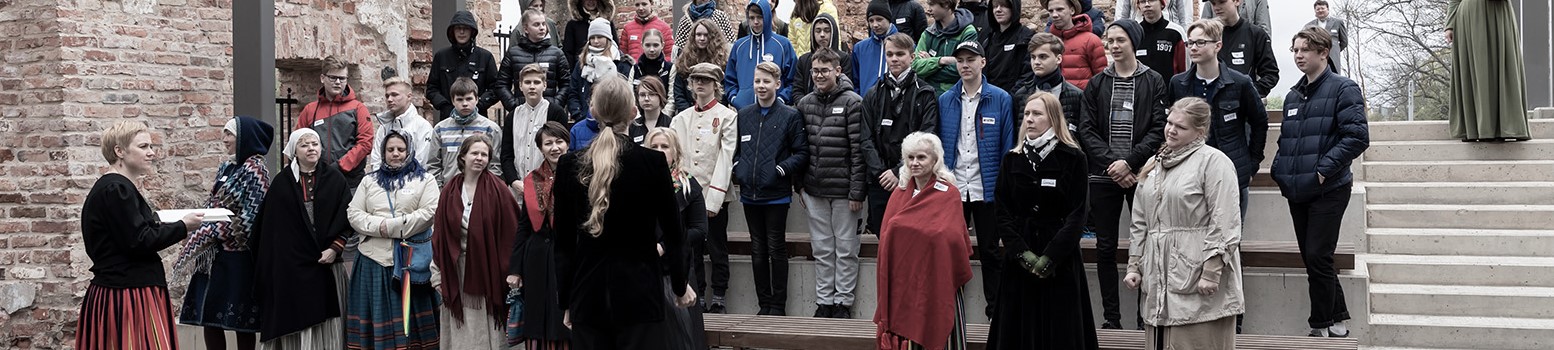
Konverentsi esimene päev on pühendatud ettekannetele ning teisel päeval viiakse läbi ühine ajarännak aastasse 1869, mil mitmed laulukoorid valmistusid esimeseks laulupeoks.
Plenaaresinejateks on Kultuuriministeeriumi kultuuriväärtuste asekantsler Merilin Piipuu, Eesti Vabariigi peaministri strateegiabüroo nõunik Marten Kaevats ning filos-dr Johanna Björkholm (Soome). Lisaks jagavad mitmed ettekandjad parimaid praktikaid ajarännaku metoodika rakendamisest õppetöös.
NB! Konverentsi töökeel on inglise keel.
Bridging Ages International 15th Annual Conference
“FREEDOM to/in Time Travel. Can we see the future?”
September 9-13, 2019
Tartu, Estonia
Preliminary programme
Monday, September 9
Arriving to Tartu, get-together
Tuesday, September 10
Location: Estonian National Museum
9.30 Registration
10.00 Opening and Welcome Address
10.15 Welcome address from Bridging Ages International
10.45 Keynote: Merilin Piipuu (Estonian Cultural Ministry) Can we put freedom into a museum?
11.30 Coffee break
12.00 Pille Rohtla, Estonia: Our legacy is freedom. The topic of freedom in Estonian time travels
12.20 Agrita Ozola, Latvia: Freedom. What does it mean for Baltic Germans? Time Travel to 1919
12.45 Thandeka Sibiya, Hungary/South Africa: Critical Pedagogy and migration: Implementing Time Travel Methods of teaching to democratize teaching and learning in schools
13.15 Lunch
14.15 Keynote: Marten Kaevats (Government Office of Estonia) How to contribute the future today?
15.00 Tina Lindström, Linda Liljenberg, Sweden: Time Travel to the future 2068
15.25 Adam Norman, Sweden: Heritage and faith as methods of change. With an example on how to fight against gender-based violence in Tanzania
15.50 Karin Leivategija, Estonia: The stories of freedom
16.15 Coffee break
16.45–18.45 Guided tours at the exhibitions of ENM
19.00–22.00 Dinner at the Estonian National Museum restaurant
Wednesday, September 11
Location: Estonian National Museum
9.30 Keynote: Johanna Björkholm (National Expert Committee of Intangible Cultural Heritage in Finland) Traditional Culture for the Future? On Intangible Cultural heritage, Safeguarding and the Time Travel Method
10.15 Victoria Nylund, Finland: How to create a feeling of belonging through heritage education
10.40 Pernilla Lundström, Jessica Lindgren, Andreas Hägglund, Sweden: Time Travel to Mora 1932 – all real life in meeting
11.05 Sten Weidebaum, Estonia: Welcome address from Song and Dance Celebrations Commitee
11.15 Kadi Kähär–Peterson, Estonia: Short introduction to the Time Travel 1869
11.45 Coffee break
12.15-15.30 Time Travel to 1869, some months before the first Song Celebration
16.30-18.00 Tartu city tour by bus and on foot
Thursday, September 12
Location: Estonian National Museum
9.30 Gathering at the Museum
10.00 Study trip to Setomaa (max 35 people)
19.00 Closing
Friday, September 13
Post-conferance day in Tallinn
9.00 Leaving from Tartu, Dorpat hotel
11.30 Tallinn city tour by bus and on foot
ca 15.00 End of the bus trip
Please note: voluntary
Osalemine ja registreerimine
- Eestist pärit osalejaid ootame konverentsile 10.-11. septembril.
- Konverentsil osalemiseks palume täita alloleva registreerimisvormi.
- Kohalikule osalejale kehtib kahe päeva pileti erihind 60 eurot (sisaldab konverentsi programmi 10.-11. septembril, toitlustust, kultuuriprogrammi ja materjale) ja ühe päeva pileti erihind 30 eurot (sisaldab konverentsi programmi 10. või 11. septembril, toitlustust, kultuuriprogrammi ja materjale). Palume osalustasu maksta ERMi e-poes.
Majutusvõimalused Tartus
Konverentsil osalejatele pakuvad erihinnaga majutust neli Tartu hotelli/hostelit, mis asuvad Tartu kesklinna vahetus läheduses ning umbes 10minutilise jalutuskäigu kaugusel Kvartali bussipeatusest.
Palume majutuse broneerida otse hotelli/hosteli kaudu. Soodustuse saamiseks kasutage toa broneerimisel märksõna “Time Travel”.
NB! Erihinnaga ruumide arv on piiratud ning pärast 26. juunit uuendame oma kodulehel partnerite nimekirja.
Venue and accommodation
FREEDOM to/in Time Travel. Can we see the future?
Organizer: Estonian National Museum
Venue: Estonian National Museum; Tartu, Muuseumi tee 2
Dates: September 9-13, 2019
THE VENUE
The Estonian National Museum is located at Raadi, a district that is situated between the City of Tartu and Tartu Rural Municipality, on the grounds of the former Raadi Manor. The site encompasses the elongated Raadi Lake with the Raadi Manor, built in 1783 , and its complex, including the park.
Through times, the museum and its collections have situated in different locations in Tartu, including the Raadi Manor, Veski St., Kuperjanovi St. and churches.
The final decision for restoring the Museum at Raadi was made in 2003. The project “Memory Field” by Dan Dorell, Lina Ghotmeh and Tsuyoshi Tane won the architectural competition in 2006 and ten years later, in 2016 the new building was opened on Museum Road. Read more…
GETTING HERE
(See map)
- The walk from the city centre to the ENM takes approx. 20-25 minutes. Move from Tartu city centre upwards via Roosi Street, walk until you cross Muuseum Road and you will see the museum.
- To come with public transport, take the bus nr 7 next to Tasku centre in the city centre. Buses leave 2 minutes and 32 minutes past every hour (see schedule). The bus stops in front of the museum and the ride takes approx. 10 minutes.
- You can also take a taxi. Taxis can be hired by phone, through mobile applications, e.g. Bolt, Taxofon or TaxiGo, or directly at taxi parks. You can find a list of service providers here.
ACCOMMODATION
We are glad to offer a selection of negotiated accommodation rates for conference participants. Hotel Dorpat and the hostels are located in or near the city centre and approx. around 10-minute-walk from the bust stop next to Kvrartal Centre.
Bookings should be made directly through the hotels/hostels, please use the contact details below. To receive the discount, please use the keyword ‘Time Travel’ when booking your room.
Please note that the number of booked rooms is limited. All bookings are held until June 26, after that the organizer shall update the selection of accommodation.
Hotel Dorpat
Address: 6, Soola St., Tartu
phone: +372 733 7184
e-mail: info@dorpat.ee
Rate:
Standard single room – 55 EUR/night
Standard twin/ duoble – 70 EUR/night
All prices include rich buffet breakfast, free parking, WiFi in the room
Tartu Downtown Hostel
Address: 22, Raatuse St., Tartu
phone: +372 5662 0215
e-mail: downtown@campus.ee
Rate:
Twin room for one person – 20 EUR/ night
Twin room for two persons – 25 EUR/ night
NB! Shared bathroom and kitchen
Raadimõisa Hotel
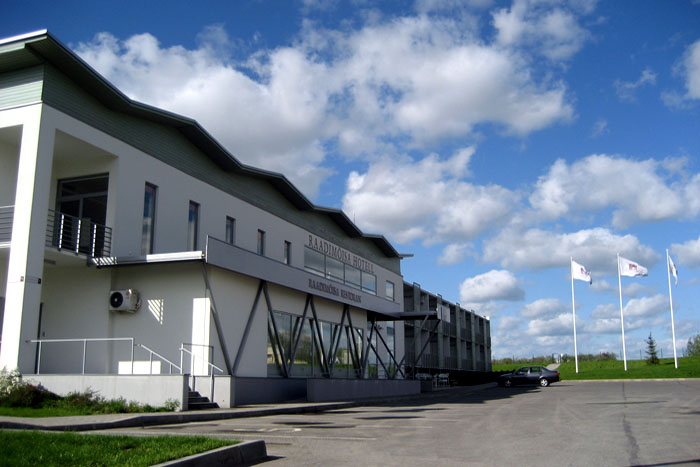
Address: 1, Mõisavärava St., Vahi Village, Tartu Parish, Tartu County (1 km walking distance from the ENM; 2,5 km from the Tartu City centre)
phone: +372 733 8050
e-mail: info@raadihotell.ee
Rate:
Single room – 56 EUR/night
Twin room – 65 EUR/night
All prices include buffet breakfast, free parking, WiFi in the room
Erihinda (ühe inimese kohta) pakuvad:
- Hotell Dorpat (tuba ühele – 55 eurot/öö, tuba kahele 70 eurot/öö)
- Raadimõisa Hotell (tuba ühele – 56 eurot/öö, tuba kahele 65 eurot/öö)
Ajarännakust ja organisatsioonist Bridging Ages
Ajarännak on elamuspõhine (ajaloo-)õppemeetod, mis toetudes inimese senisele kogemusele, püüab läbi kõiki meeli haarava ja emotsioone pakkuva tegevuse äratada huvi oma juurte vastu ning panna inimesi nägema ennast osana minevikupärandist. Meetod töötati välja 1980. aastatel Kalmaris, Rootsis.
ERMi ning EAÜSi eestvedamisel on tänaseks toimunud kaks üle-eestilist ajarännakut aastatesse 1918 ning 1869, millest on osa võtnud 14000 kooliõpilast. Loe lisa siit.
Bridging Ages on rahvusvaheline muuseumitöötajaid, ajalooõpetajaid ning vabatahtlikke ühendav organisatsioon, mille eesmärk on ajarännaku kui aktiivõppemeetodi tutvustamine ning ajarännakute korraldamine. Organisatsiooni kuulub inimesi 25 riigist neljalt kontinendilt. Konverentsile ootame delegaate Soomest, Rootsist, Lätist, Leedust, Türgist, Itaaliast, USAst, Keeniast, Lõuna-Aafrikast ja Ugandast.
Toetajad