Estonian War of Independence. November 1918 – February 1920
An important part of the establishment of the Estonian state in 1917–1918 has been played by the national army units, with whose support the idea of Estonian independence was realized. The national army units became the basis for the army of independent Estonia – thus the real forces necessary for our War of Independence were concentrated in the homeland and the foundation for the organization of the people’s self-defense was laid.
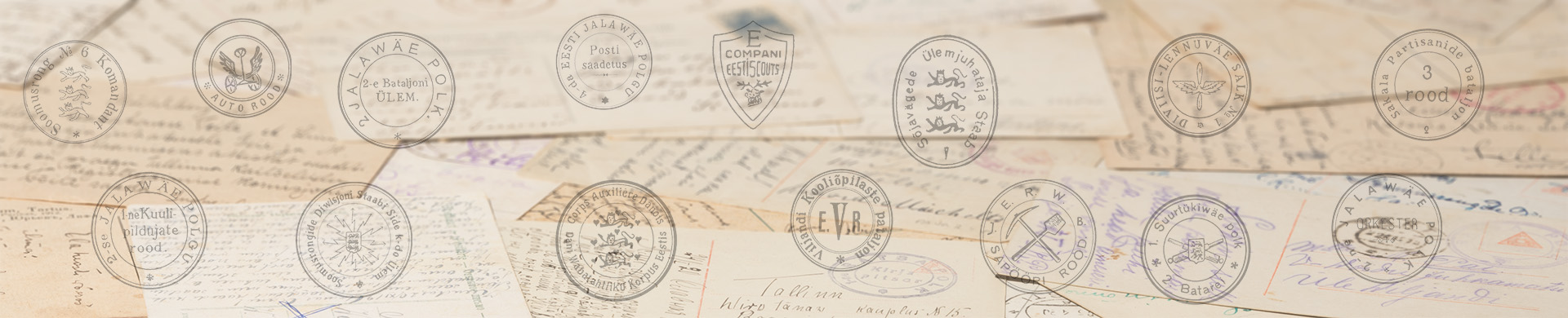
In 2018, 100 years will pass since the beginning of the Estonian War of Independence. The museum’s collection of postal history includes nearly 700 postcards sent during the war years with stamps used in various military units.
The first part of the exhibition takes us to the years 1917–1919:
- Establishment of Estonian national army units in 1917–1918
- Field post in the Estonian War of Independence in 1919
Old letters are part of our cultural and postal history. The exhibition focuses on postal history, ie stamp prints. But there is also exciting research for those interested in history and postcards.
Enjoy and watch!
In the toolbar, under the information button, you will find the stamp imprint text ( in italics ), historical background information and explanations about the image.
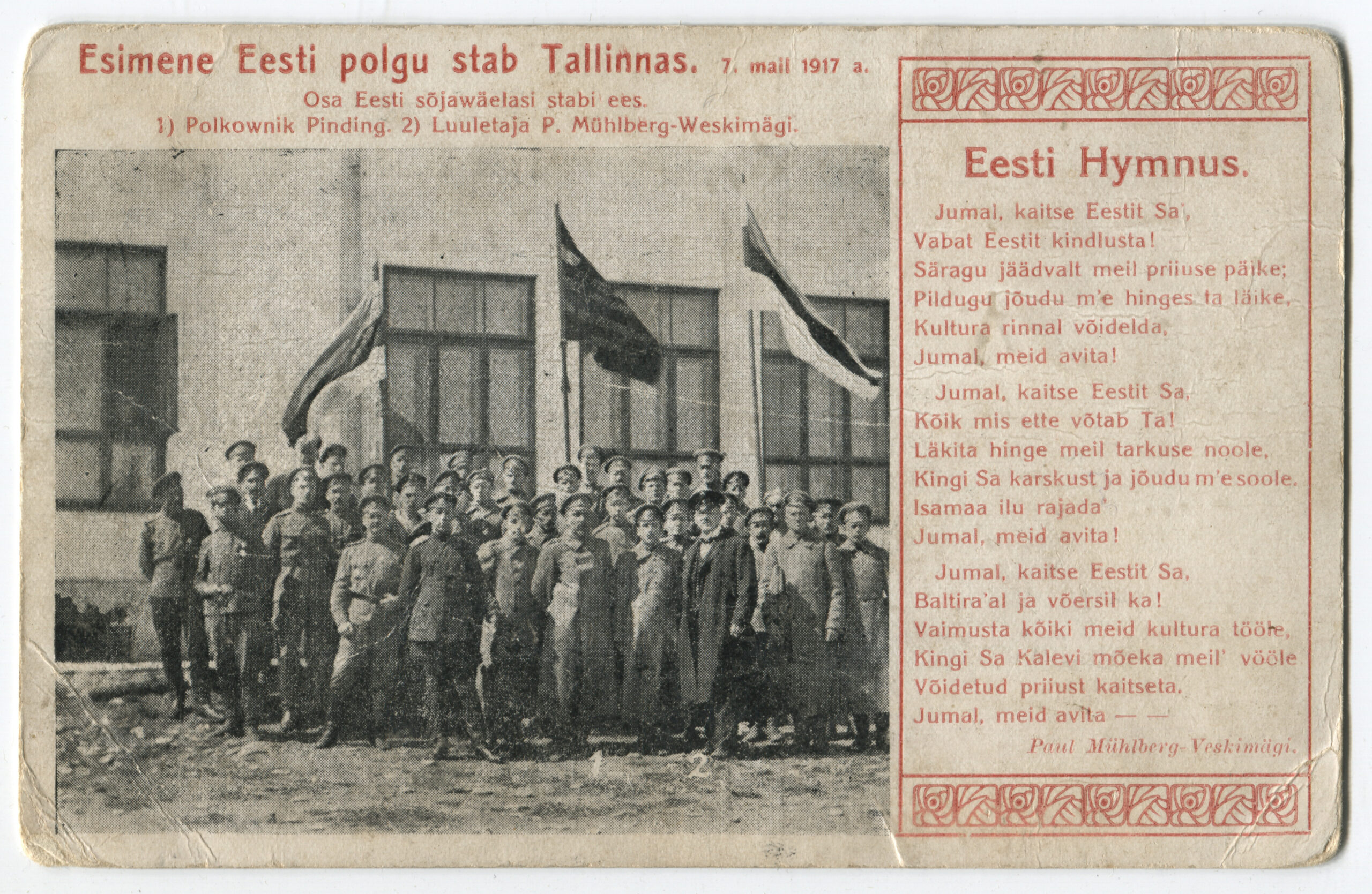
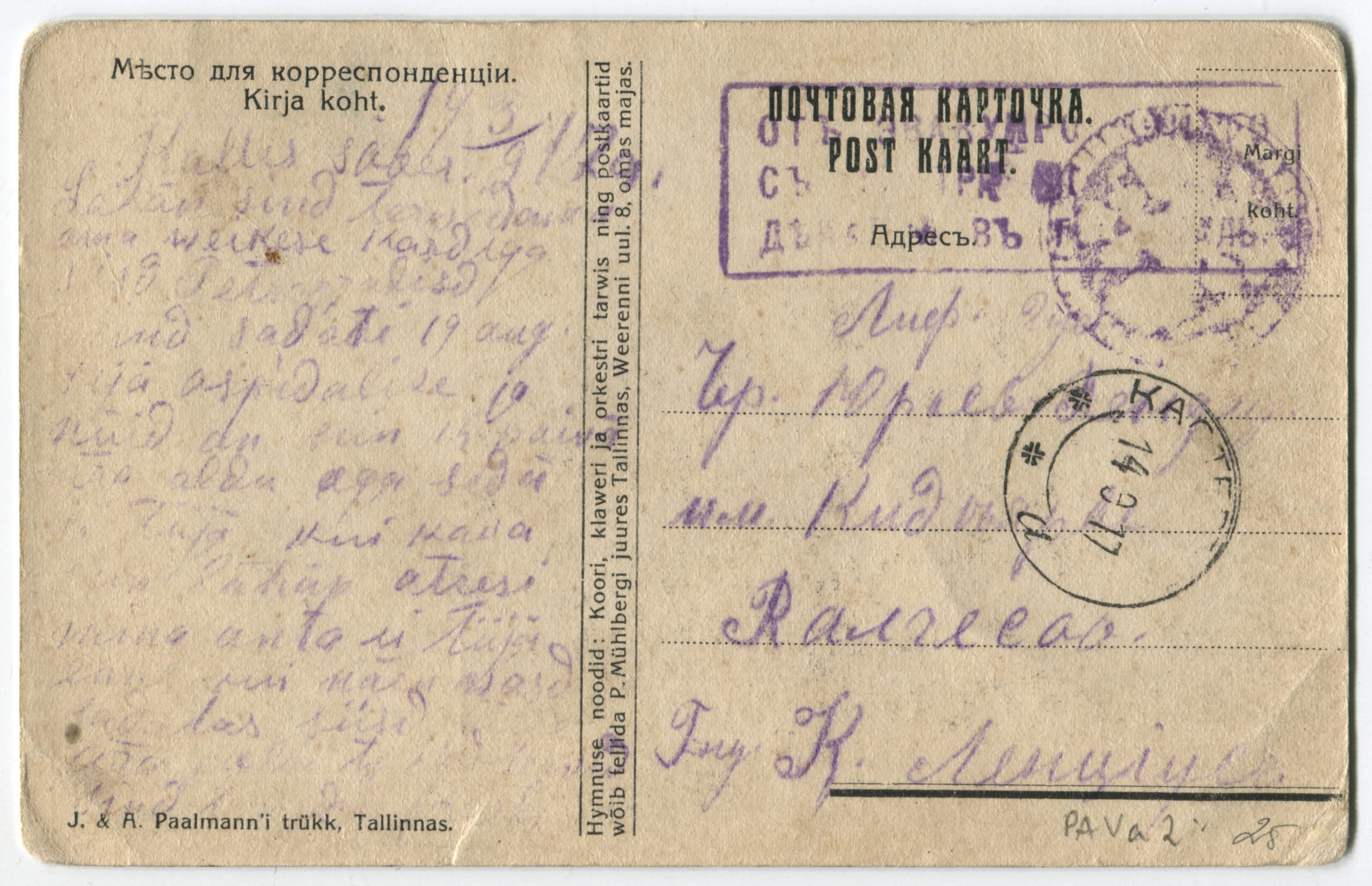
1. Estonian Infantry Brigade
On the 7.05.1917 Aleksandr Kerenski (The Interim Government’s Minister of War) sent a telegram in which he gave a permission to formate one Estonian Brigade.
This date is considered to be an Estonian Infantry Brigade’s bithday.
Photo: J. & A. Paalmaan print, Tallinn
1. Estonian Infantry Brigade
On the 7.05.1917 Aleksandr Kerenski (The Interim Government’s Minister of War) sent a telegram in which he gave a permission to formate one Estonian Brigade.
This date is considered to be an Estonian Infantry Brigade’s bithday.
Photo: J. & A. Paalmaan print, Tallinn
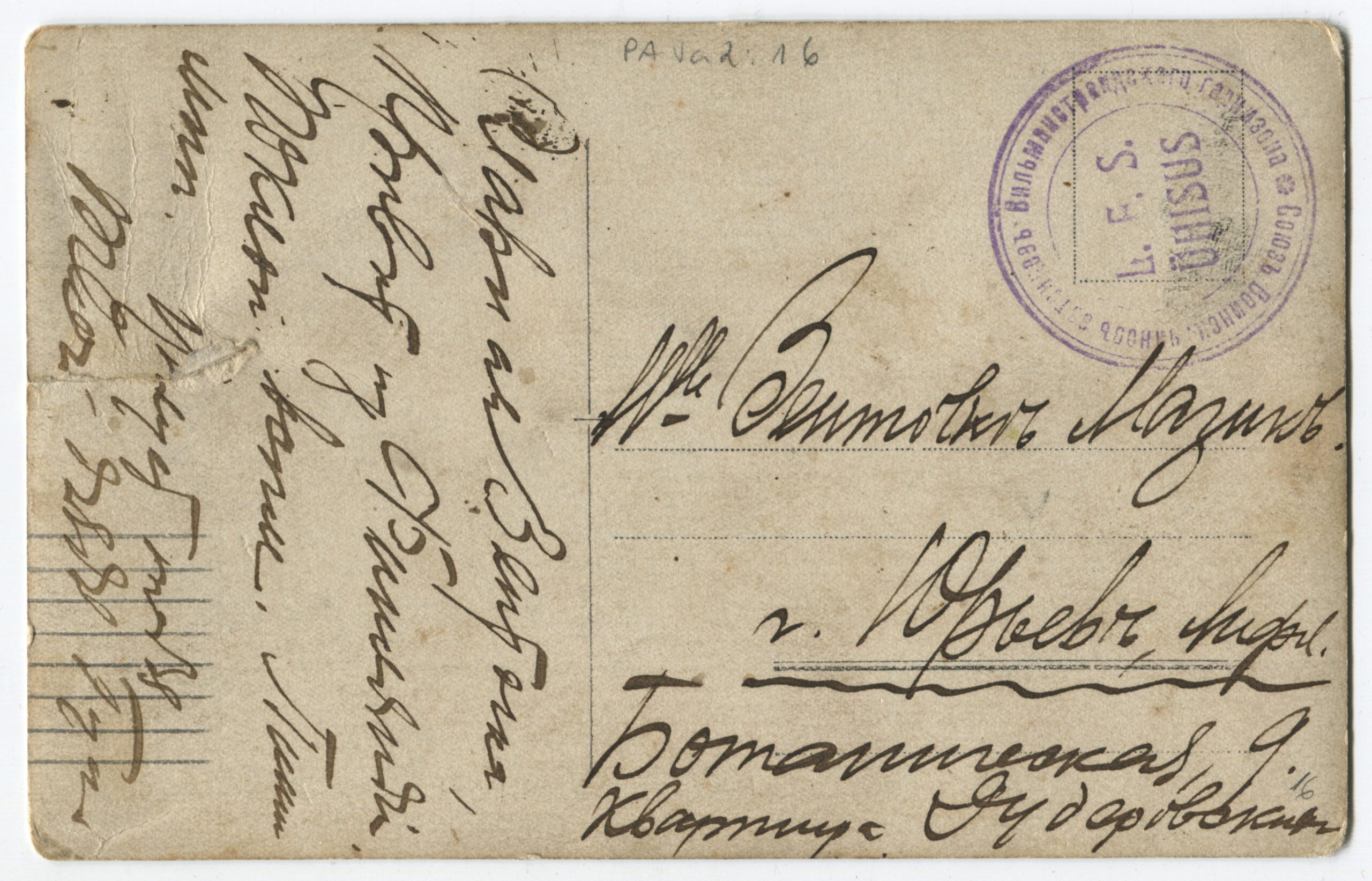
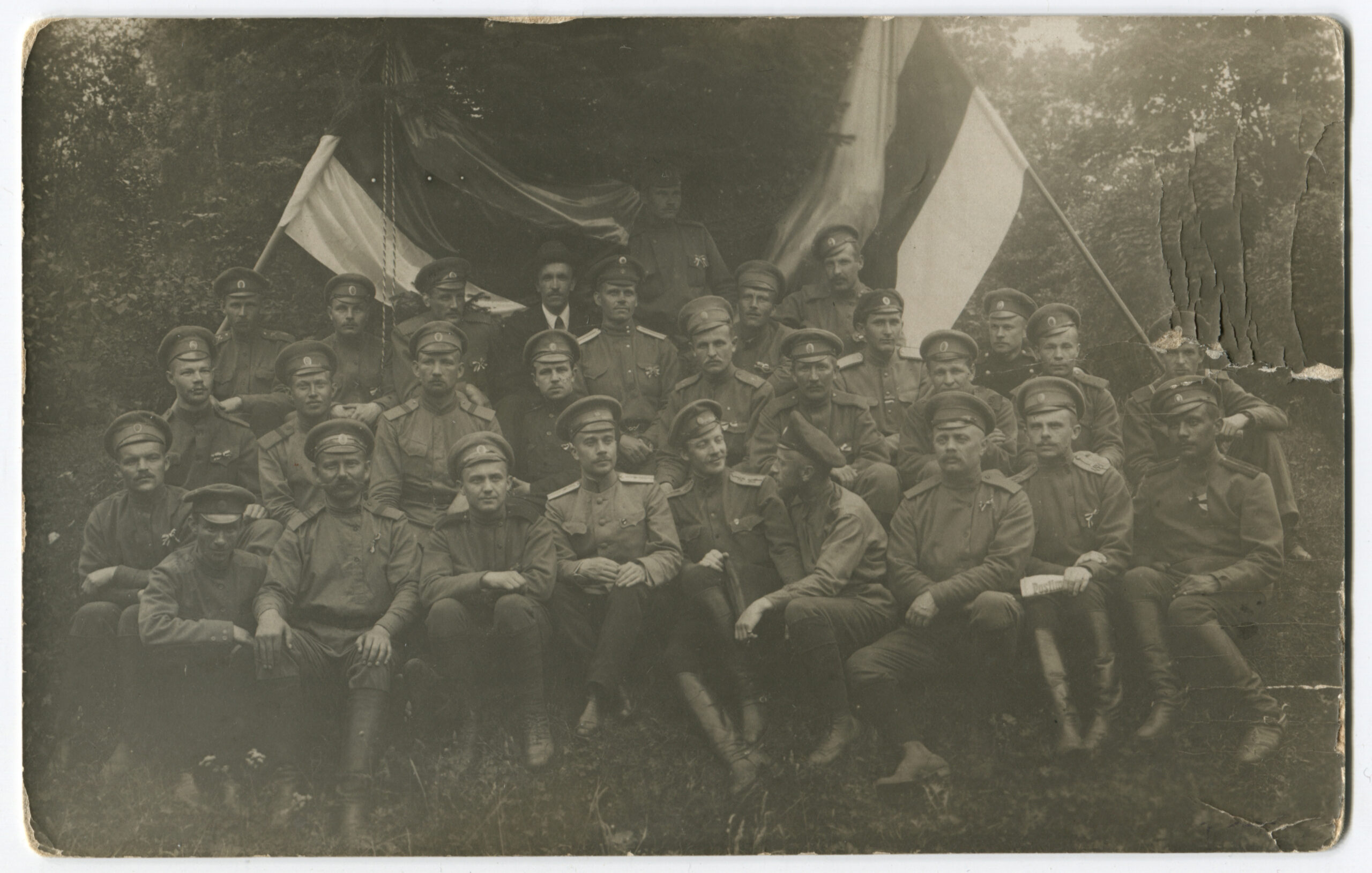
On the 2.04.1917 Estonian Military Association was established in Finland, Lappeenranta.
Photo: The first Estonian Military Congress in Finland, Lappenranta 10.06–14.06.1917.
On the 2.04.1917 Estonian Military Association was established in Finland, Lappeenranta.
Photo: The first Estonian Military Congress in Finland, Lappenranta 10.06–14.06.1917.
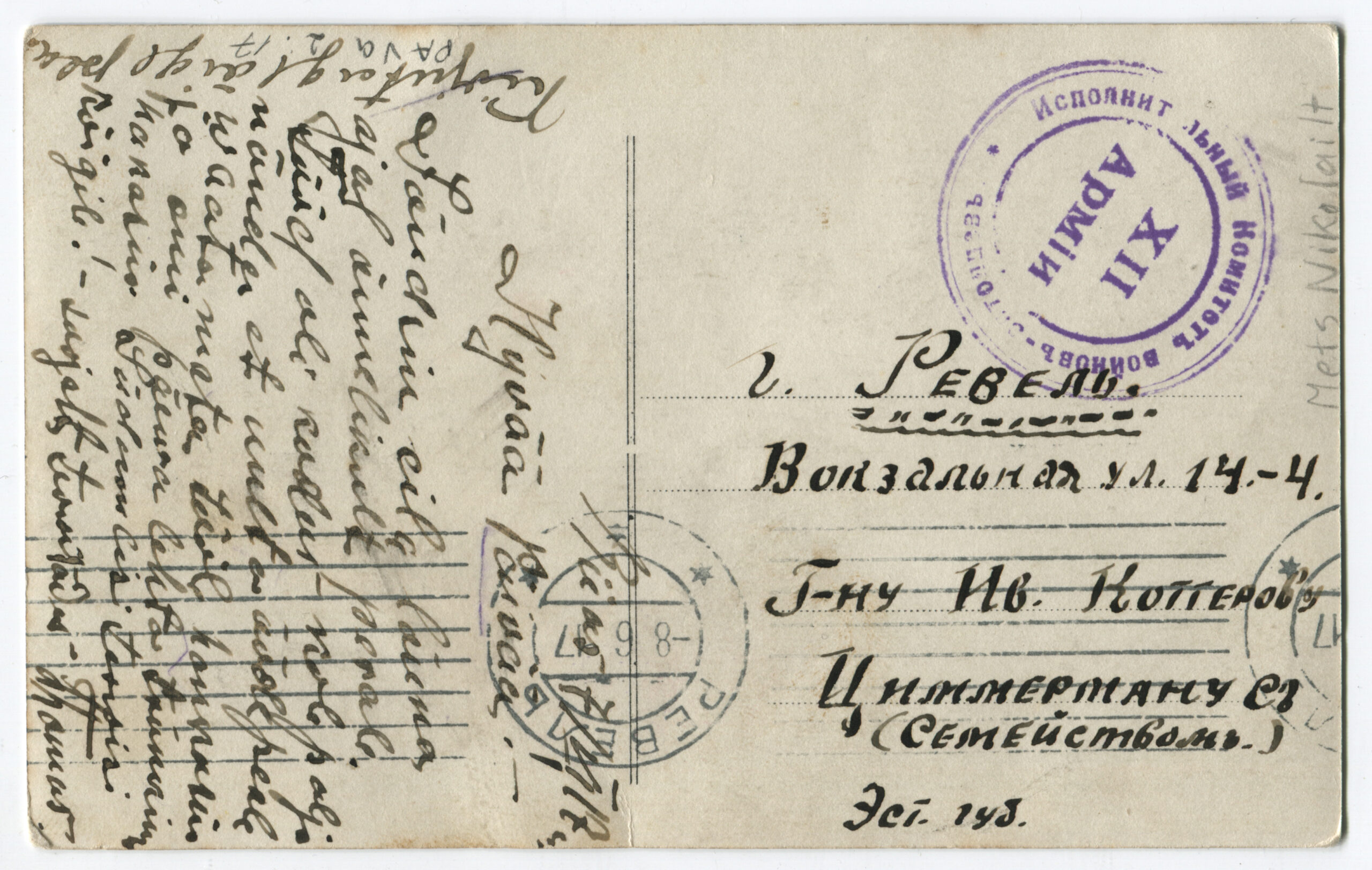
30.05.1917 – 12th Army Commander confirms and publishes in directive the
Estonian Army Military Executive Committee 12th composition. The center of the 12th Army was in Riga.The postcard was sent to Reval (Tallinn) (8.06.1917)
Photo: Greetings from the Riga’s beach
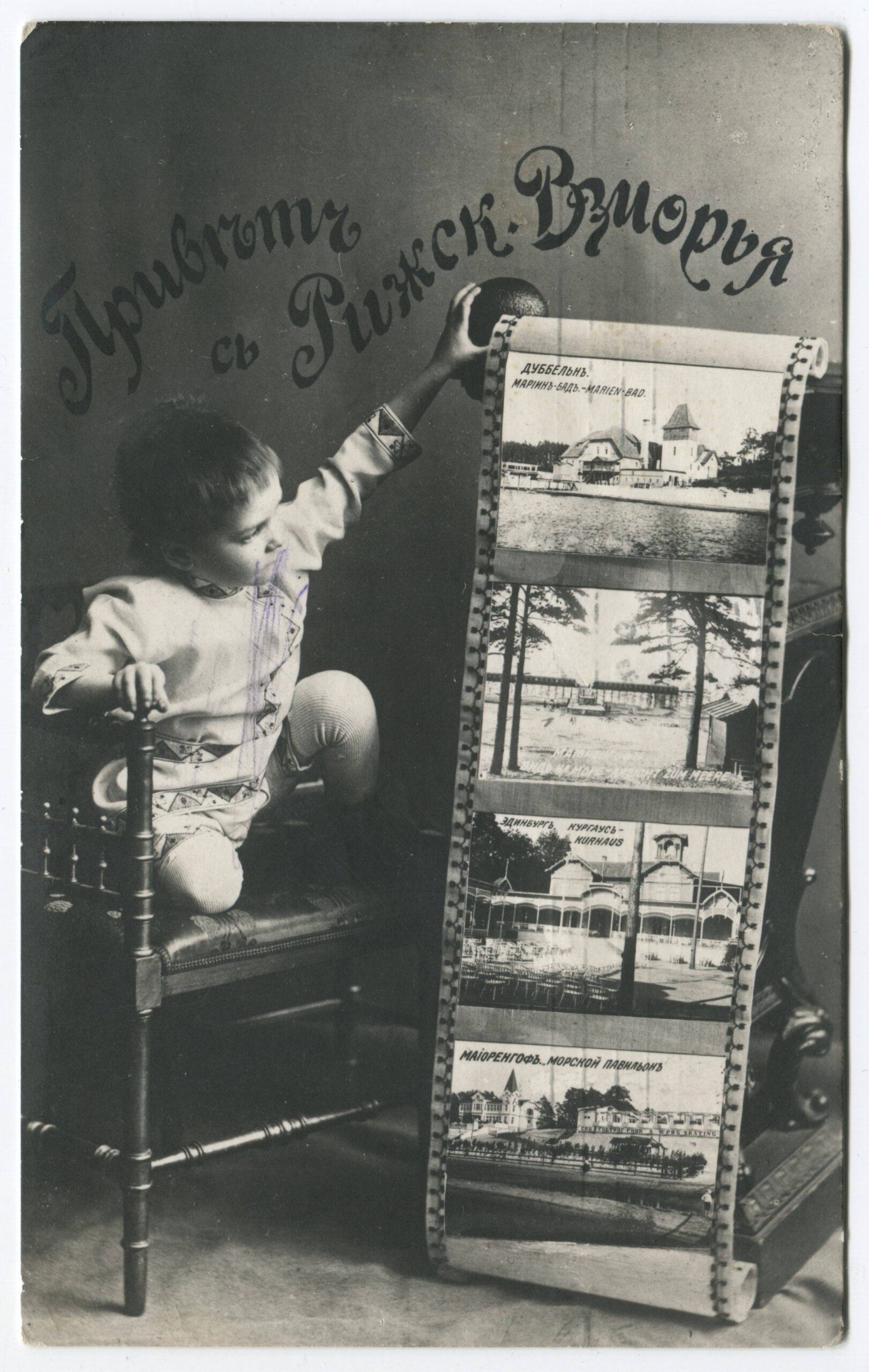
30.05.1917 – 12th Army Commander confirms and publishes in directive the
Estonian Army Military Executive Committee 12th composition. The center of the 12th Army was in Riga.The postcard was sent to Reval (Tallinn) (8.06.1917)
Photo: Greetings from the Riga’s beach
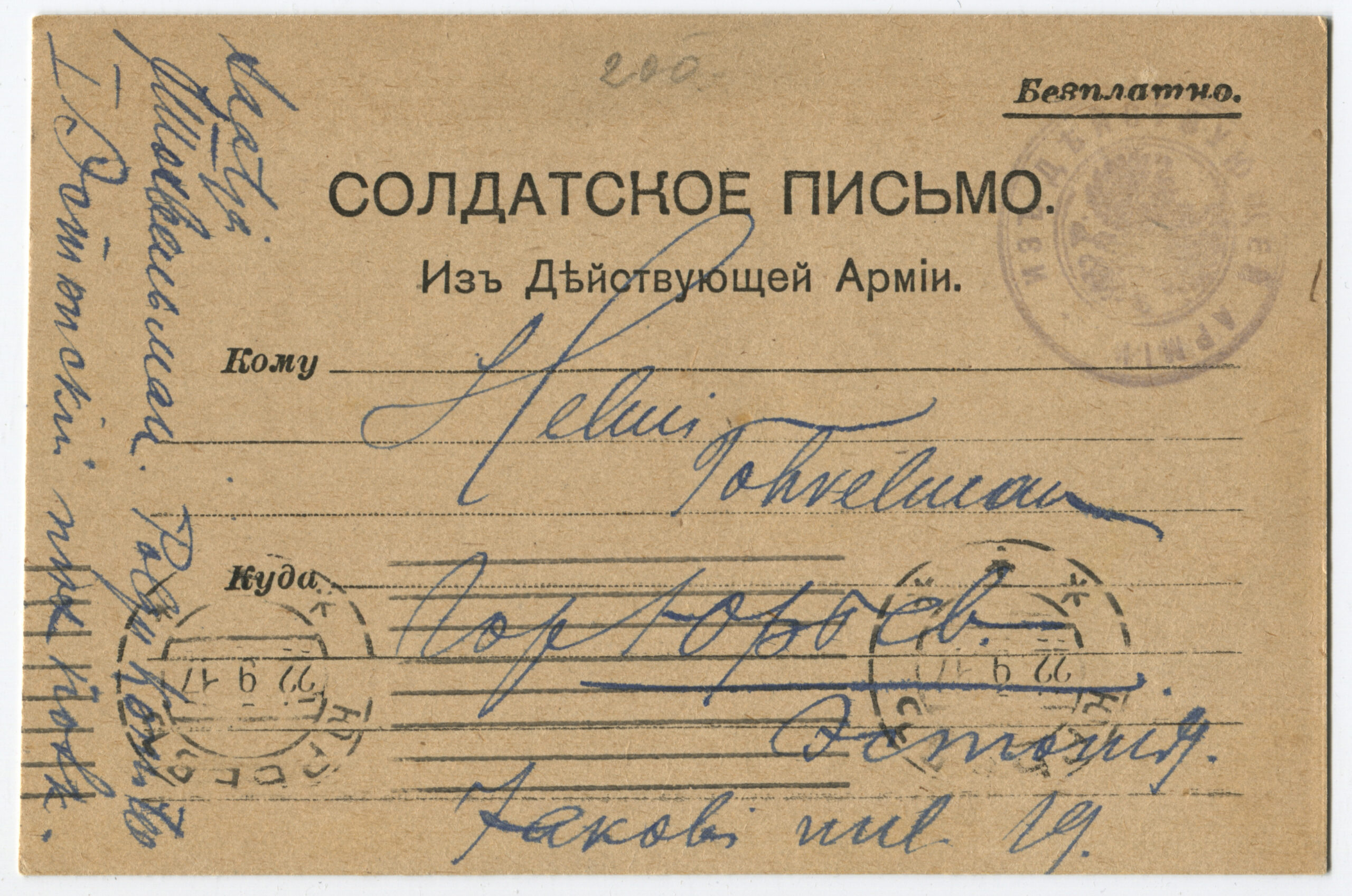
22.09.1917 the 1. Estonian Brigade was sent from Rakvere to Volmari (Valmiera) to the front reserve.
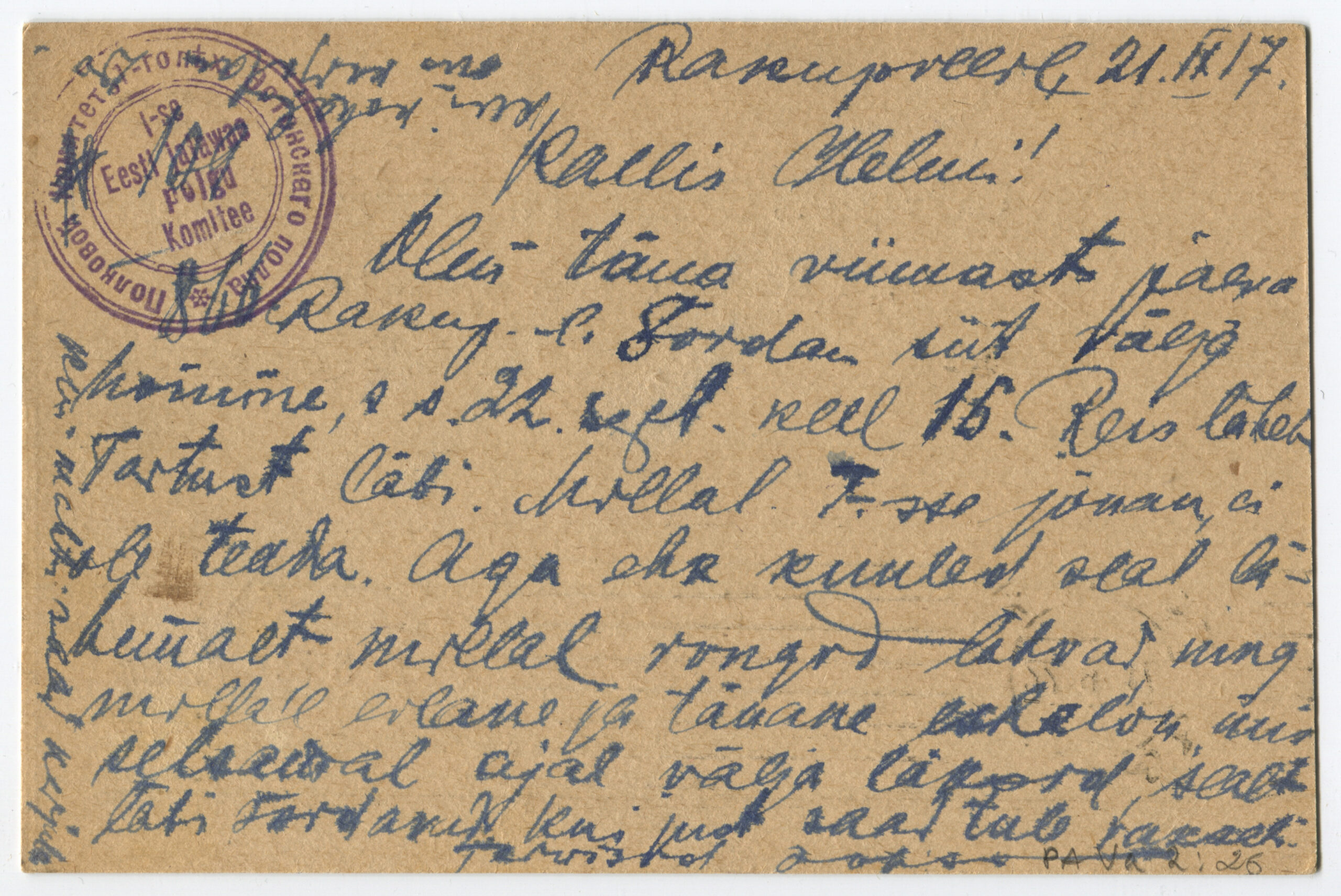
22.09.1917 the 1. Estonian Brigade was sent from Rakvere to Volmari (Valmiera) to the front reserve.
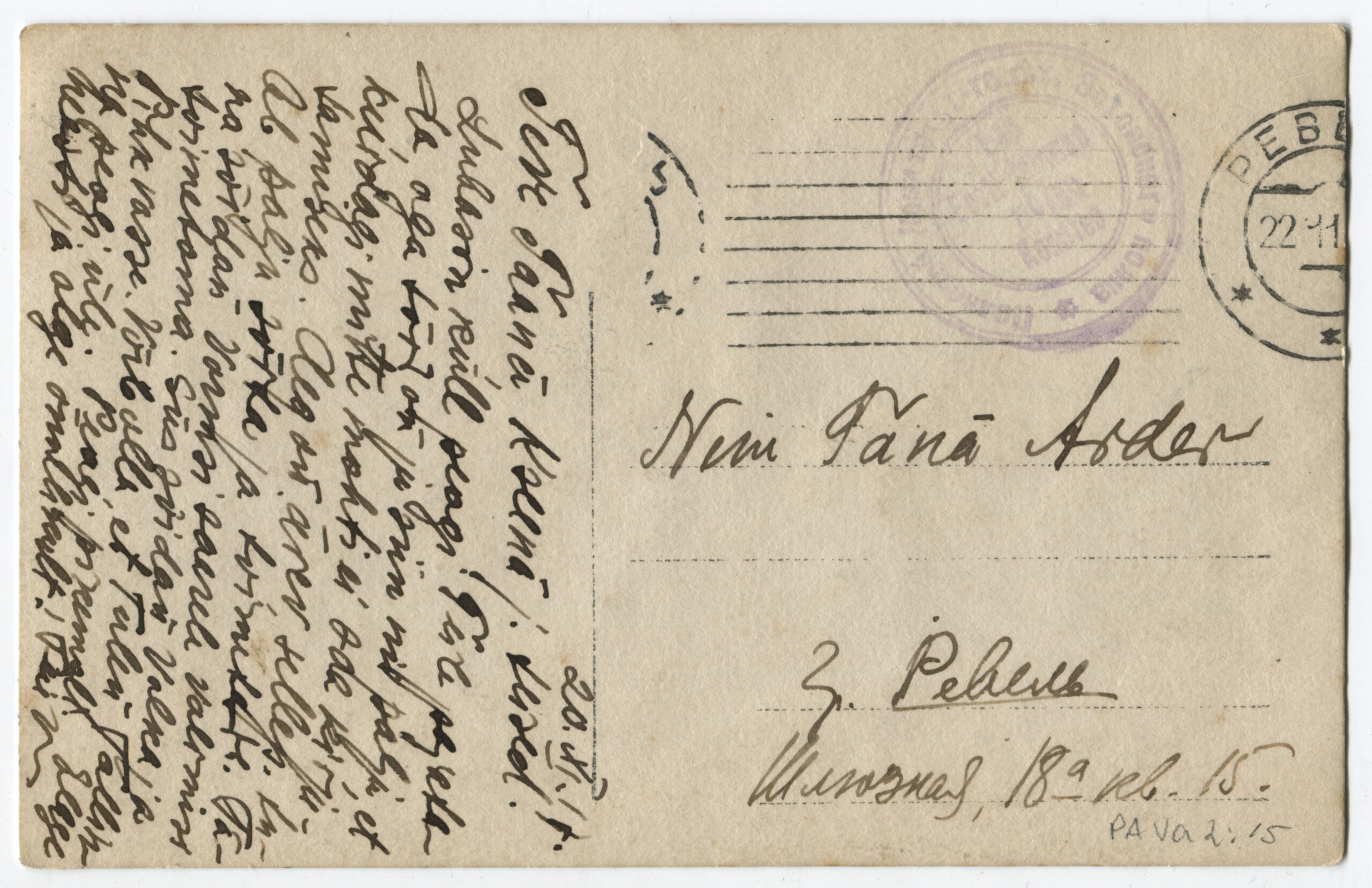
The steamship Elba, which transported part of the 1. Estonian Brigade from Rohuküla to Muhu County.
2.–6.10.1917 was the Muhu strait battle.
4.10.1917 Elba got back to Haapsalu.
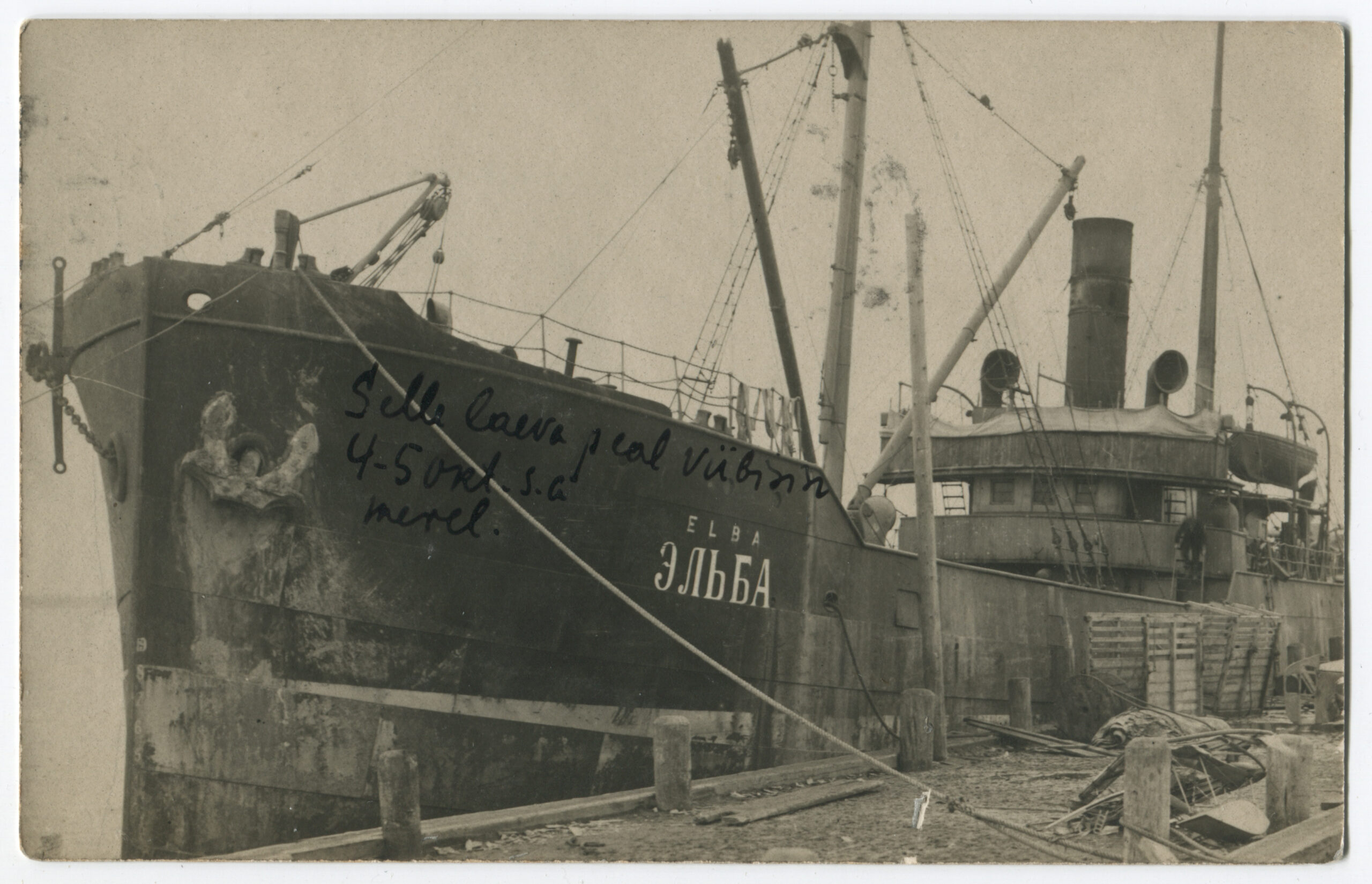
The steamship Elba, which transported part of the 1. Estonian Brigade from Rohuküla to Muhu County.
2.–6.10.1917 was the Muhu strait battle.
4.10.1917 Elba got back to Haapsalu.
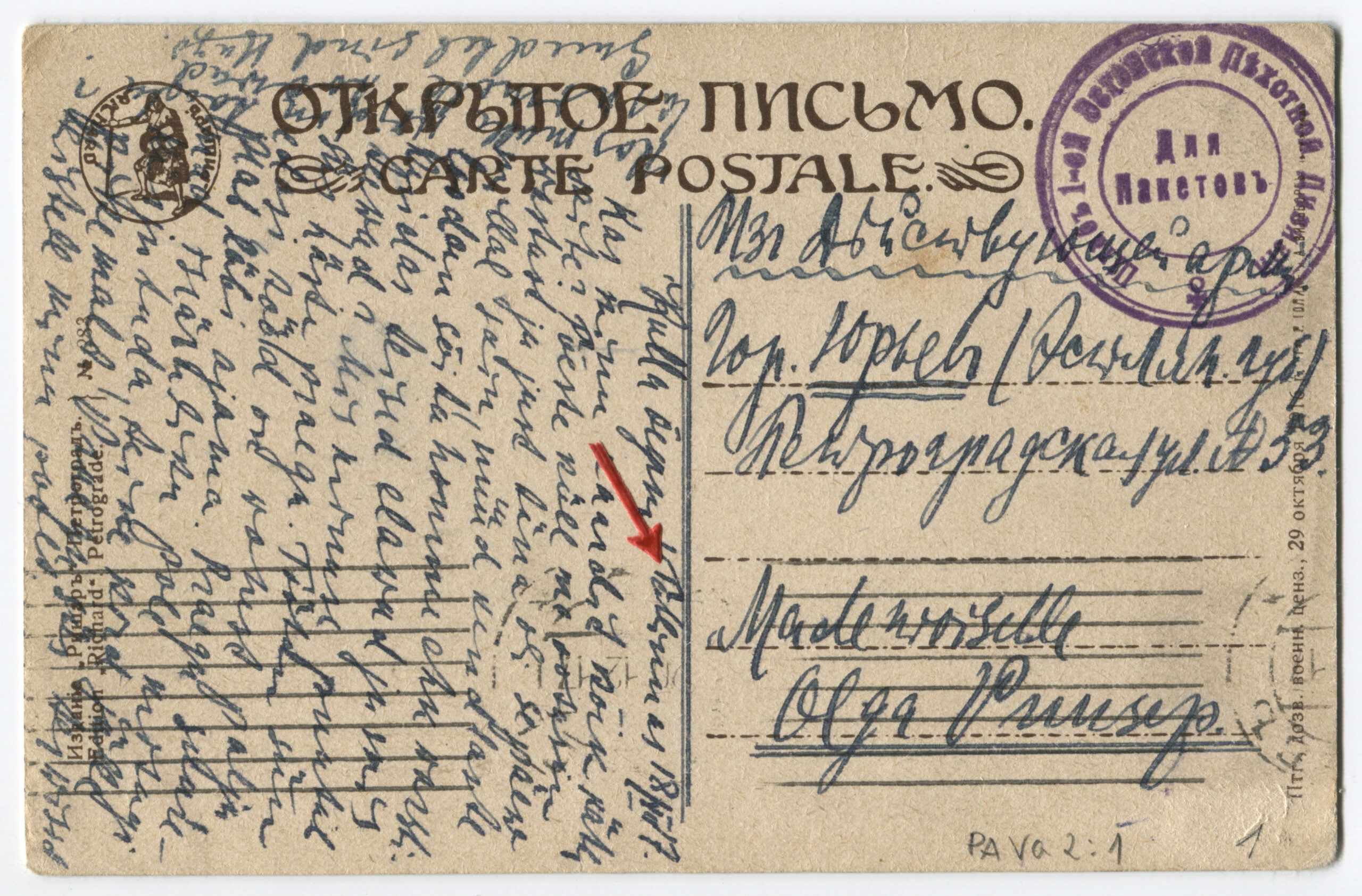
15.–18.12.1917 was the Estonian military units representatives conference in Tallinn.
G. v. Hoesslin „Adagio consolante“
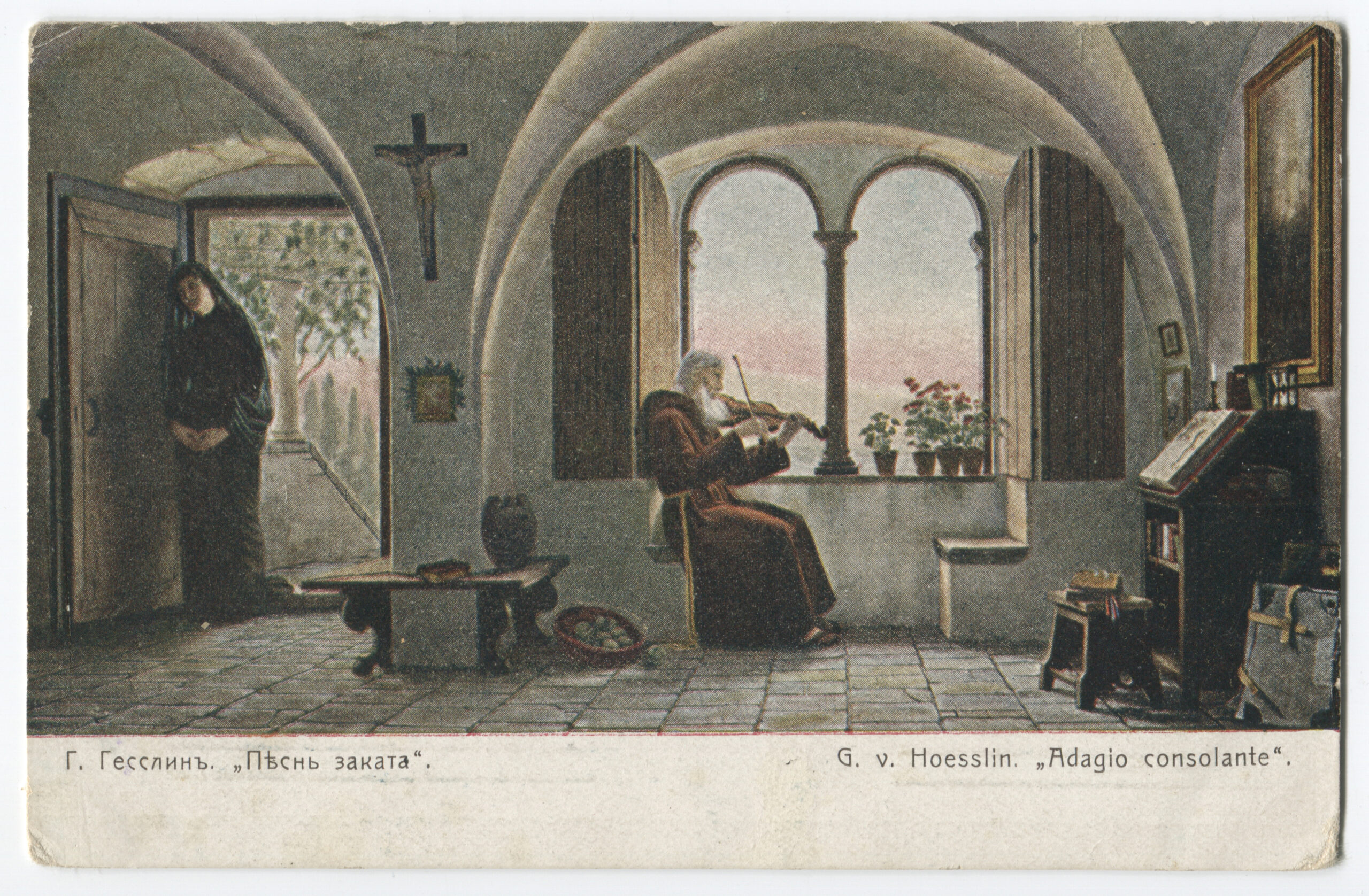
15.–18.12.1917 was the Estonian military units representatives conference in Tallinn.
G. v. Hoesslin „Adagio consolante“
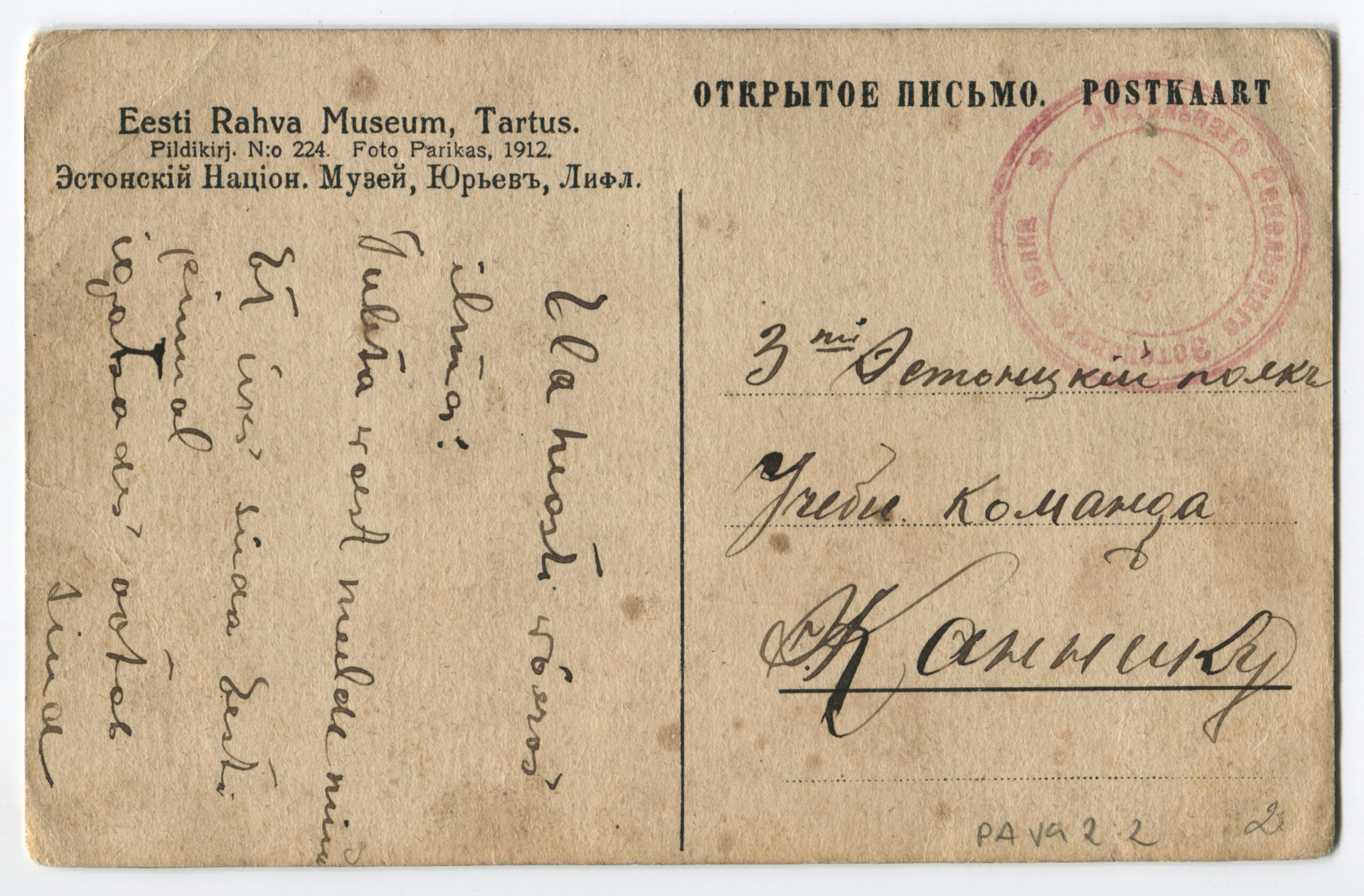
12.04.1917 –
The first Estonian national military unit was made in Tallinn – 1. Estonian Brigade11.05.1917 – The 1. Estonian Brigade went from Tallinn to Rakvere.
The hearth of war in Lääne County
Estonian National Museum.
N.o 224. Photo: Parikas, 1912
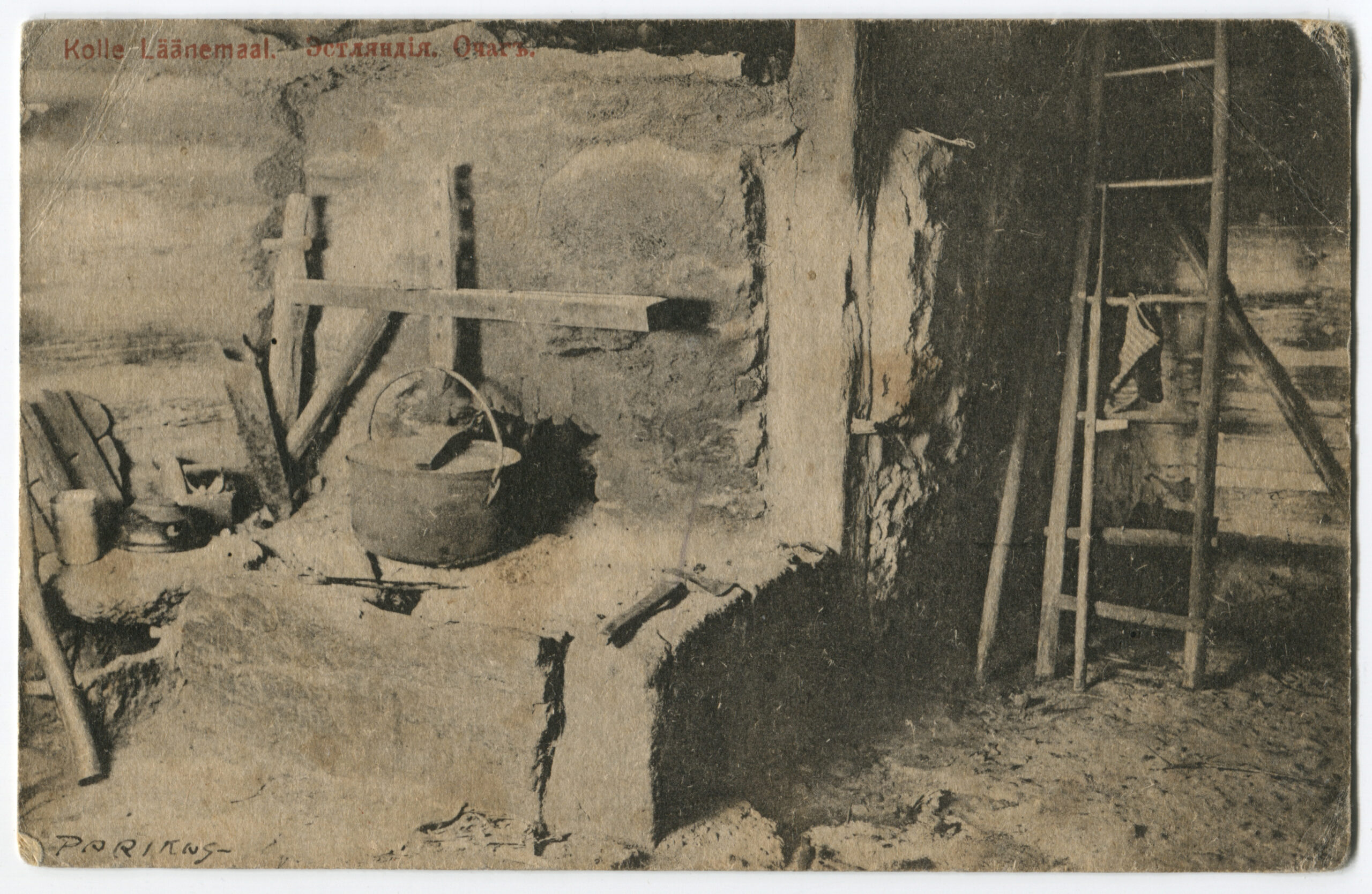
12.04.1917 –
The first Estonian national military unit was made in Tallinn – 1. Estonian Brigade11.05.1917 – The 1. Estonian Brigade went from Tallinn to Rakvere.
The hearth of war in Lääne County
Estonian National Museum.
N.o 224. Photo: Parikas, 1912
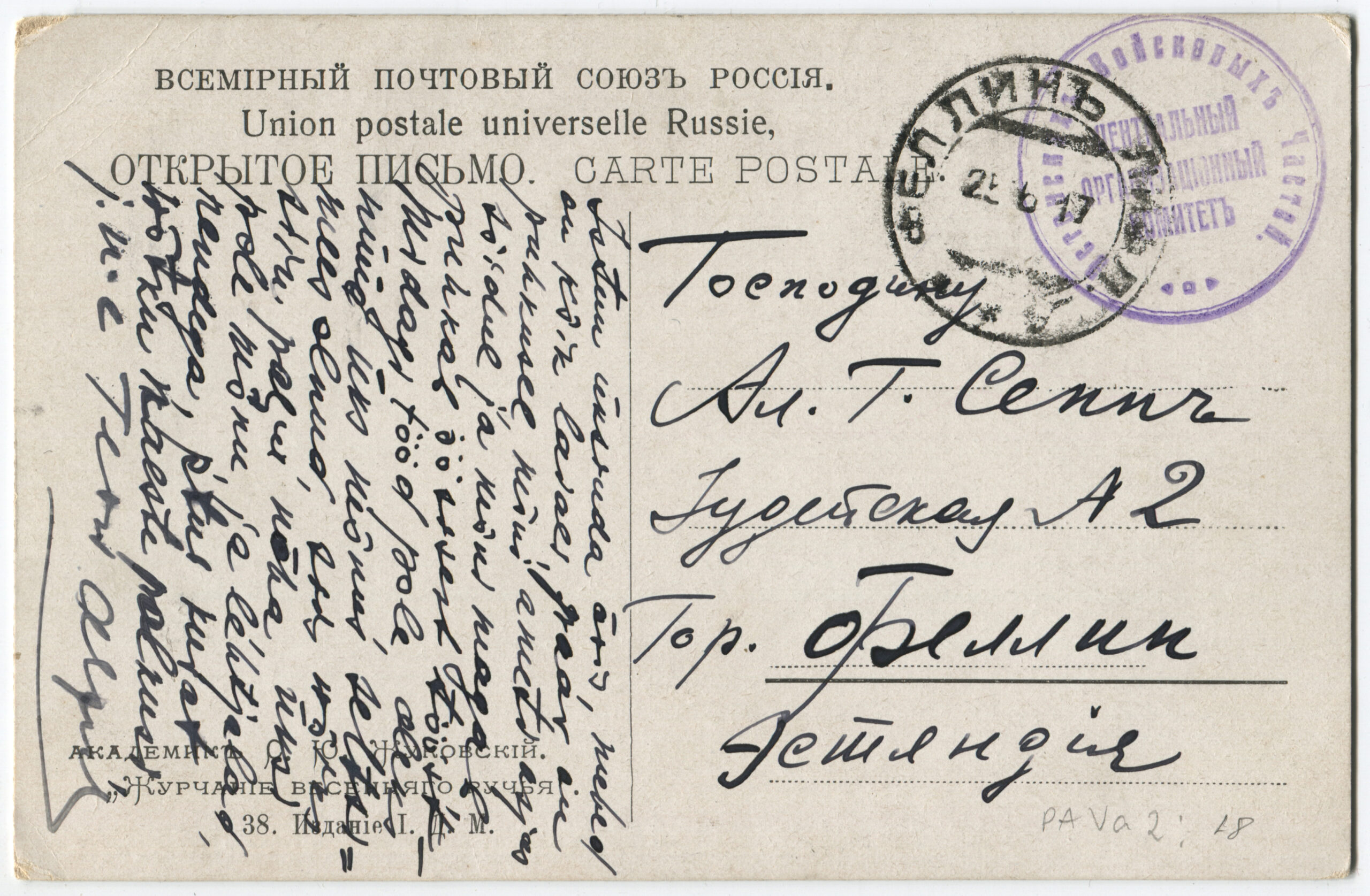
18.–22.06.1917 – 1st All-Russian Congress of Estonian Militaries in Tallinn.
22.06.1917 – The Estonian Military Supreme Committee was chosen.
O. J. Žukovski Academy
Spring stream
38. Publisher: I.D.M.
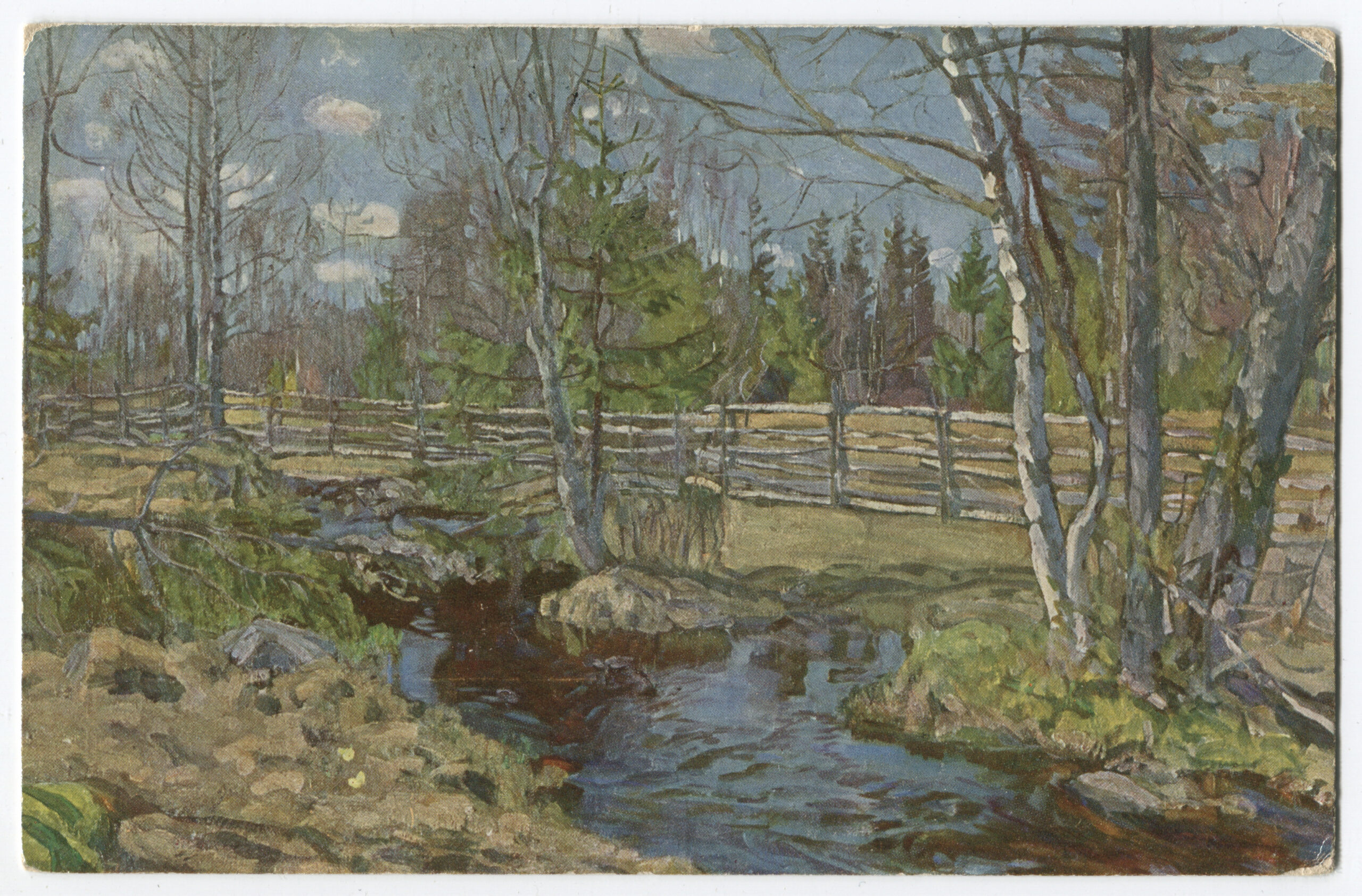
18.–22.06.1917 – 1st All-Russian Congress of Estonian Militaries in Tallinn.
22.06.1917 – The Estonian Military Supreme Committee was chosen.
O. J. Žukovski Academy
Spring stream
38. Publisher: I.D.M.
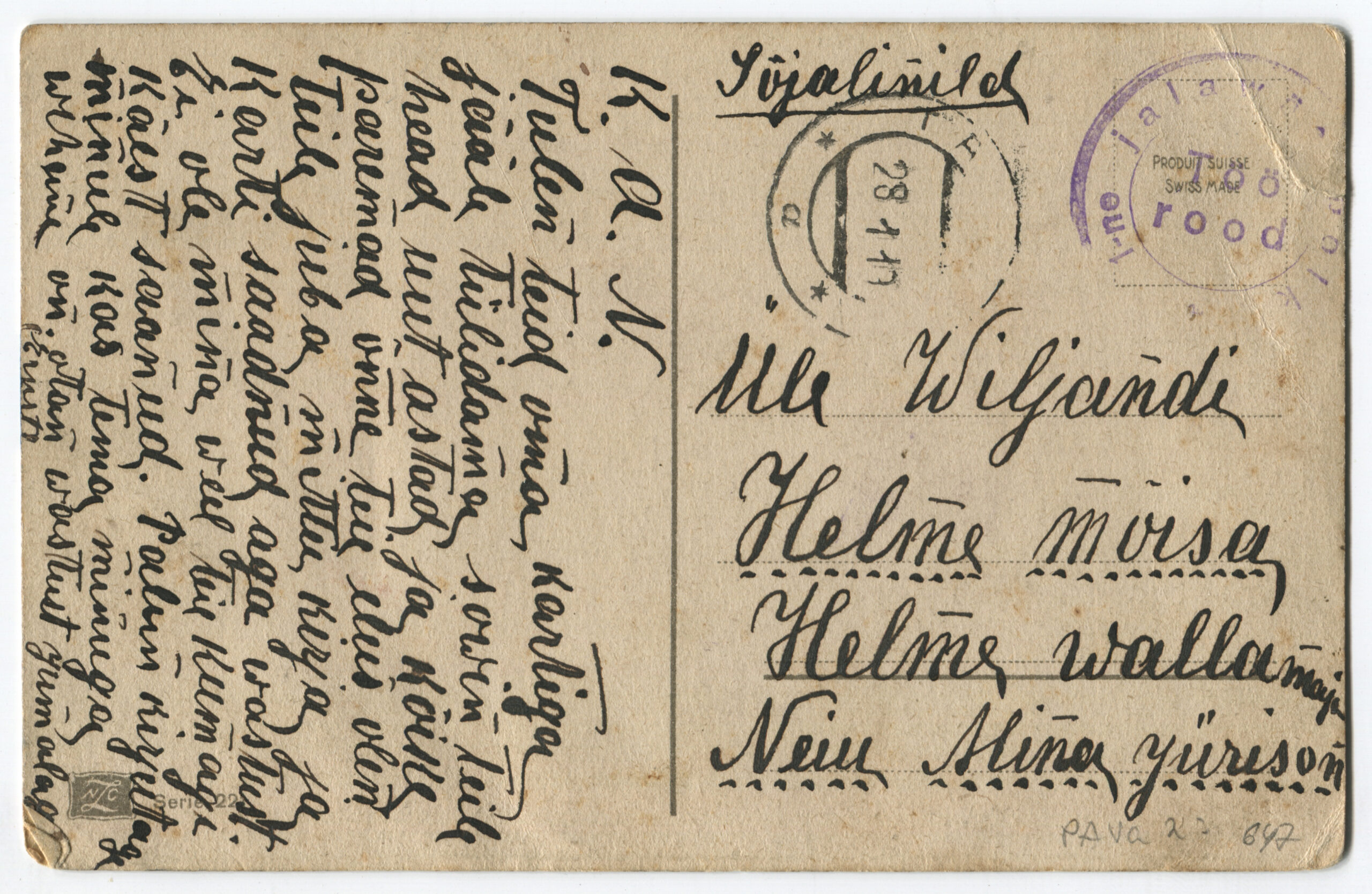
1. Infanrty Brigade was formated on the 21.11.2018 in the barracks of Tallinn Prison.
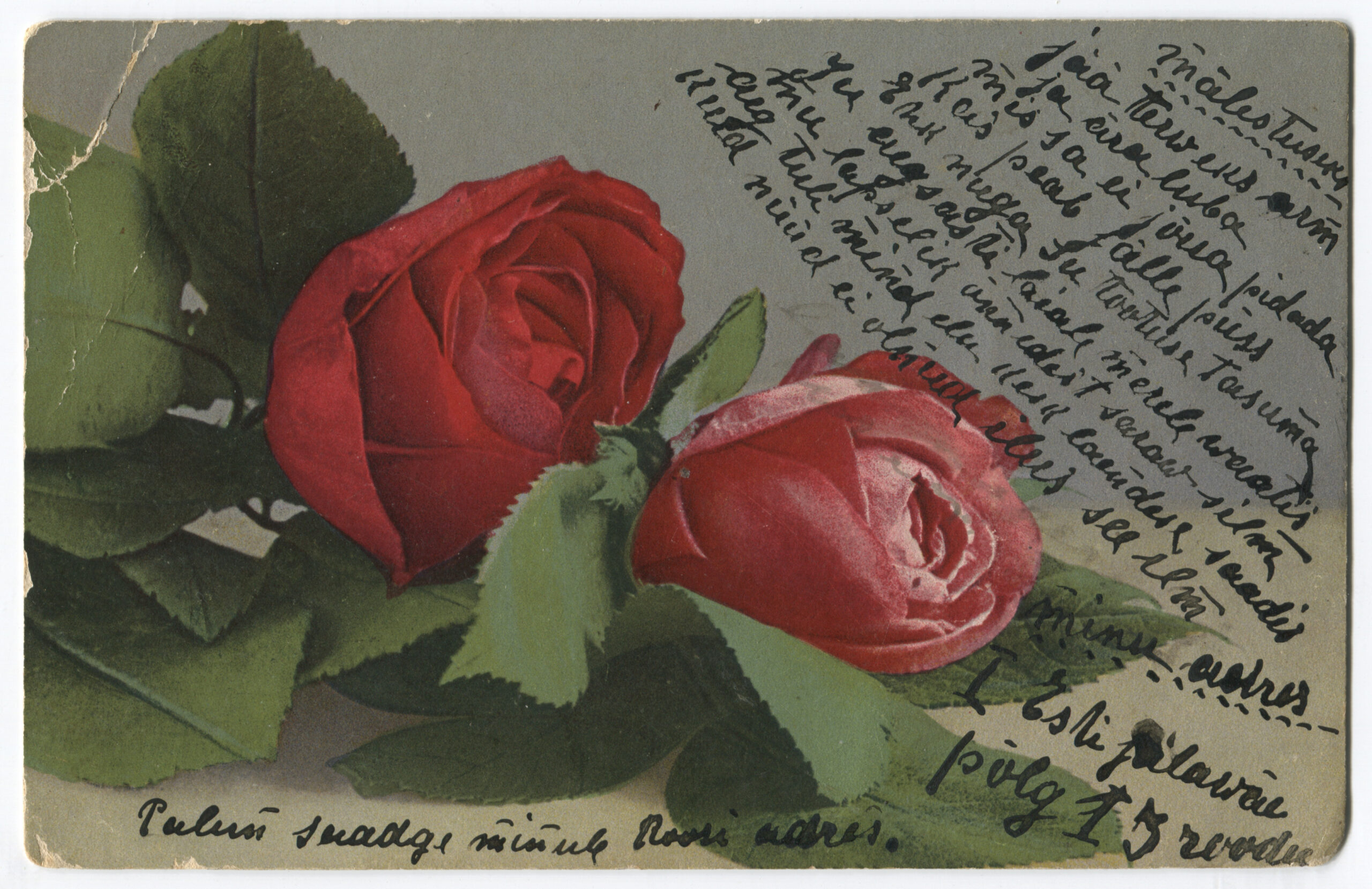
1. Infanrty Brigade was formated on the 21.11.2018 in the barracks of Tallinn Prison.
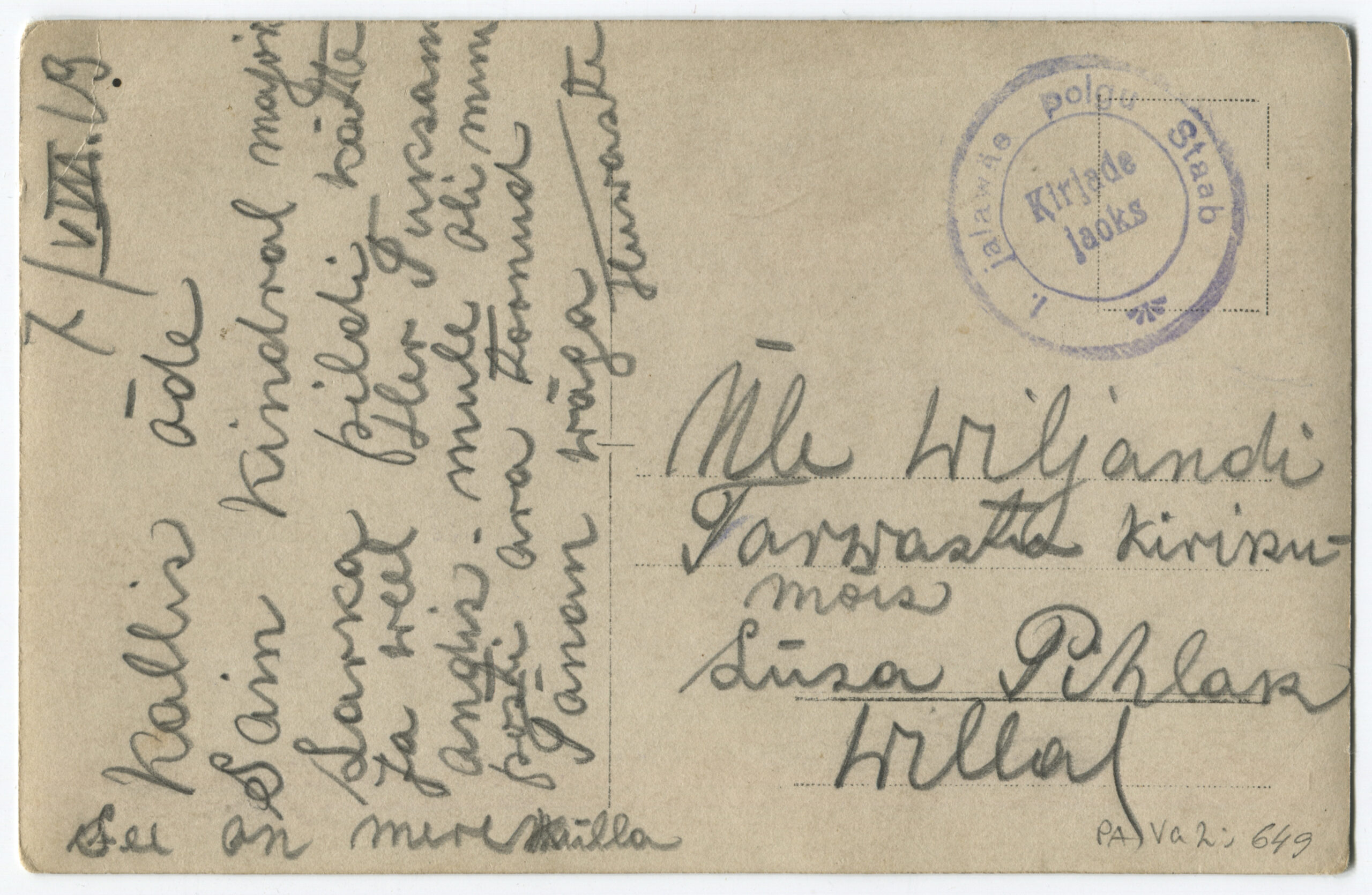
Ernst Põdder was determined to the commander of the 1. Infantry Brigade.
In the beginning 300 volunteers joined the Brigade. Mobilization was on the 1.12.1918.
Photo: The beach of Mereküla
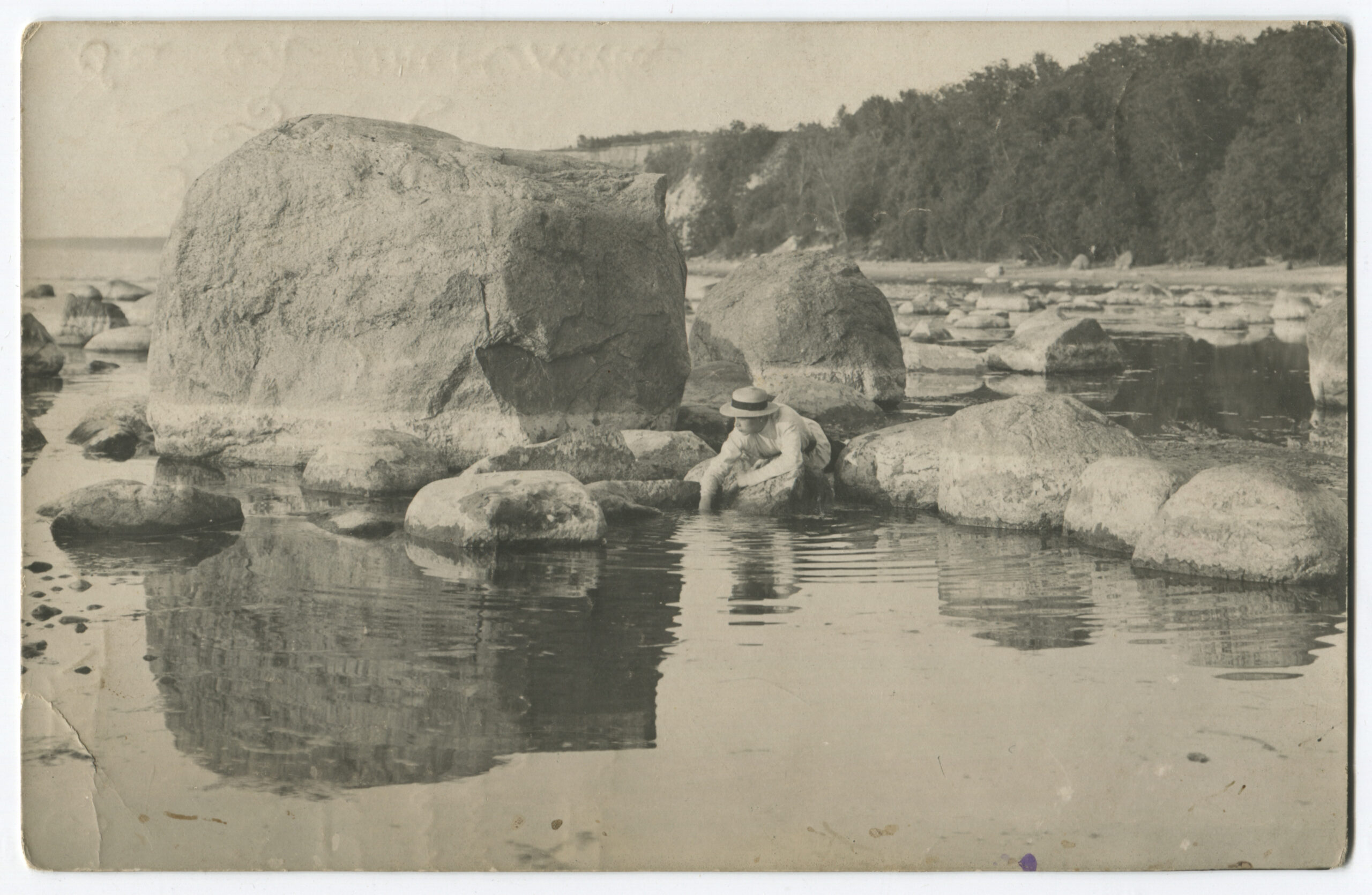
Ernst Põdder was determined to the commander of the 1. Infantry Brigade.
In the beginning 300 volunteers joined the Brigade. Mobilization was on the 1.12.1918.
Photo: The beach of Mereküla
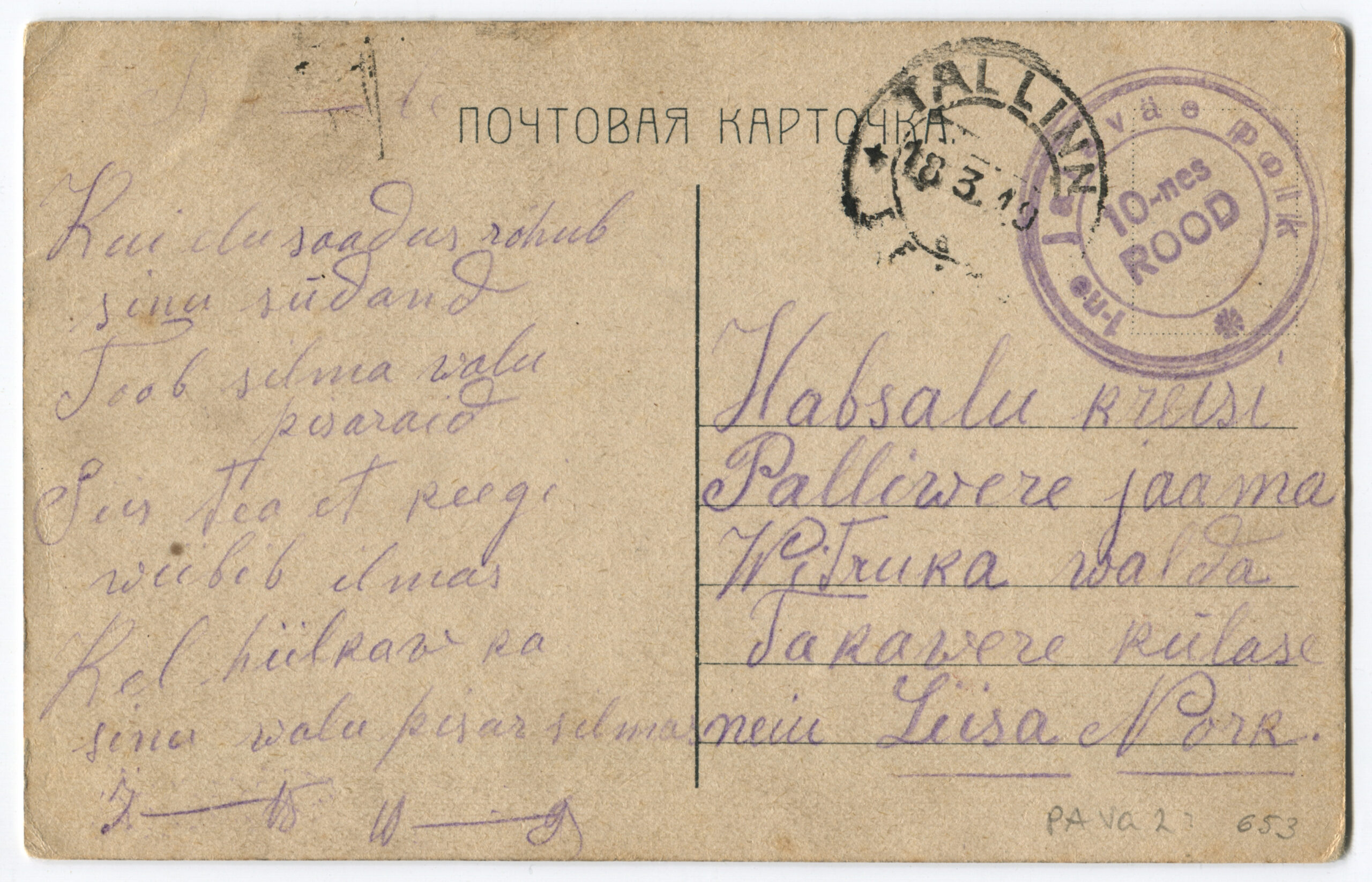
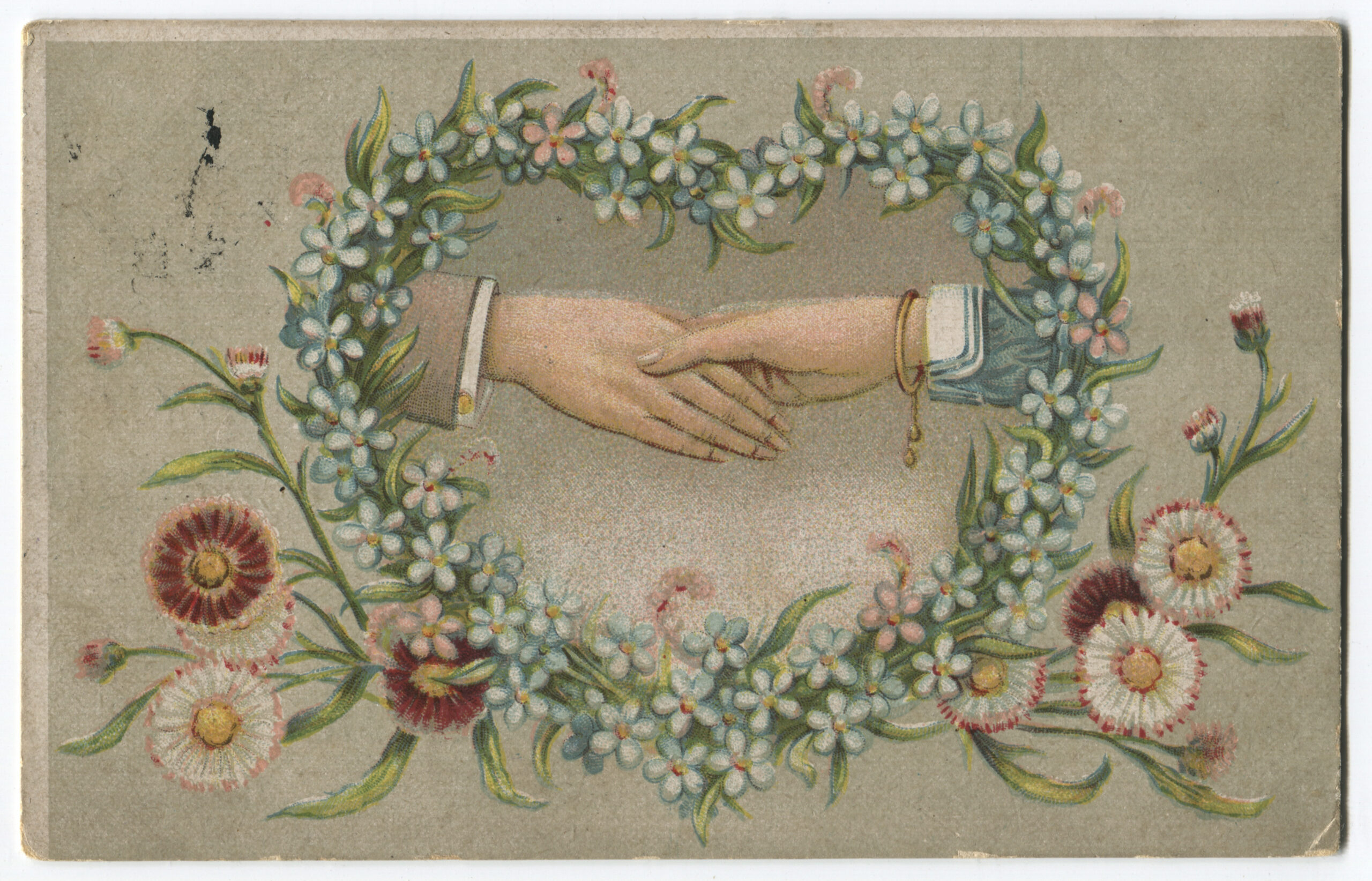
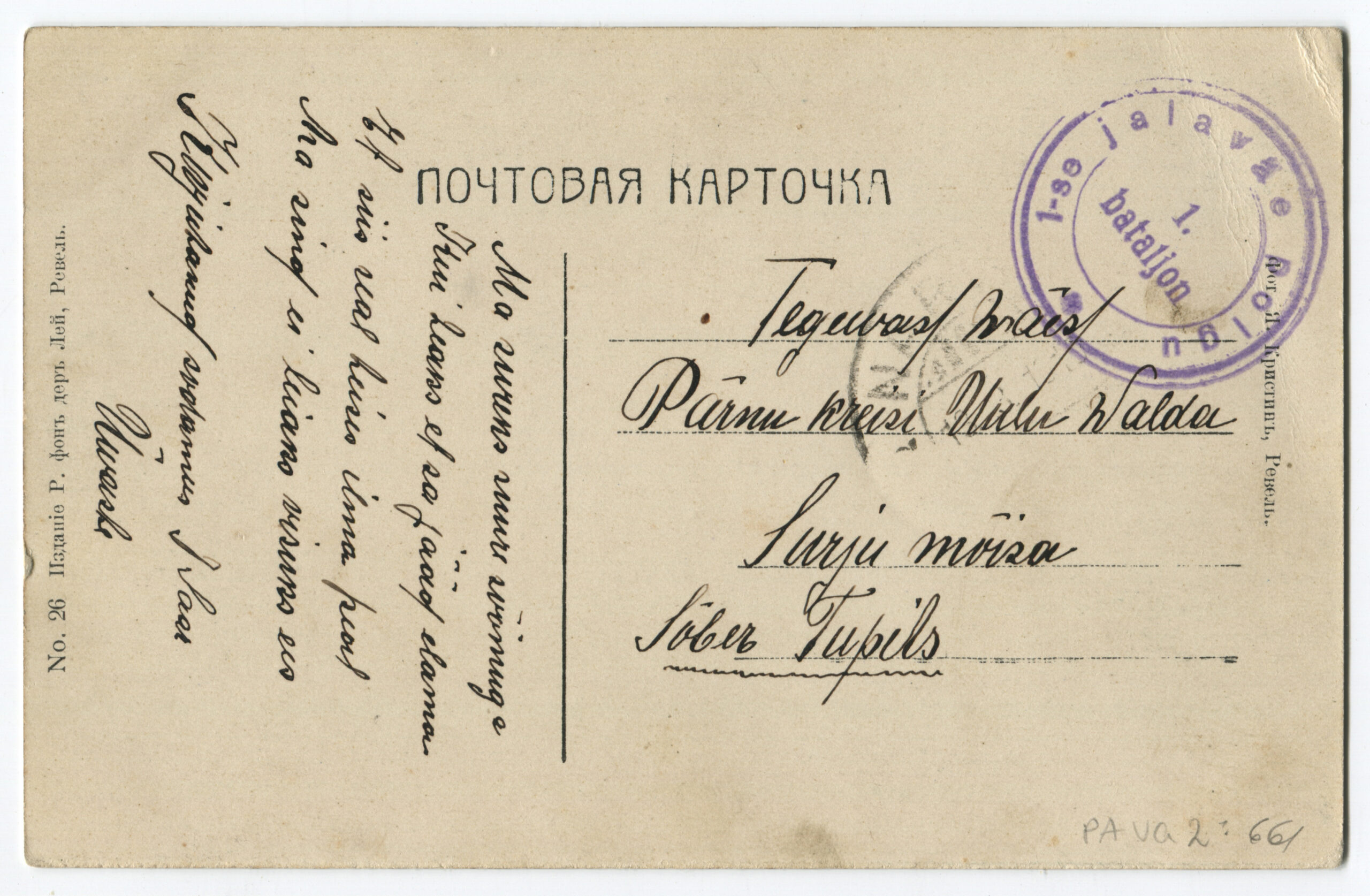
28.11.1918 – 1. battalion commander was captain Viktor Liivak.
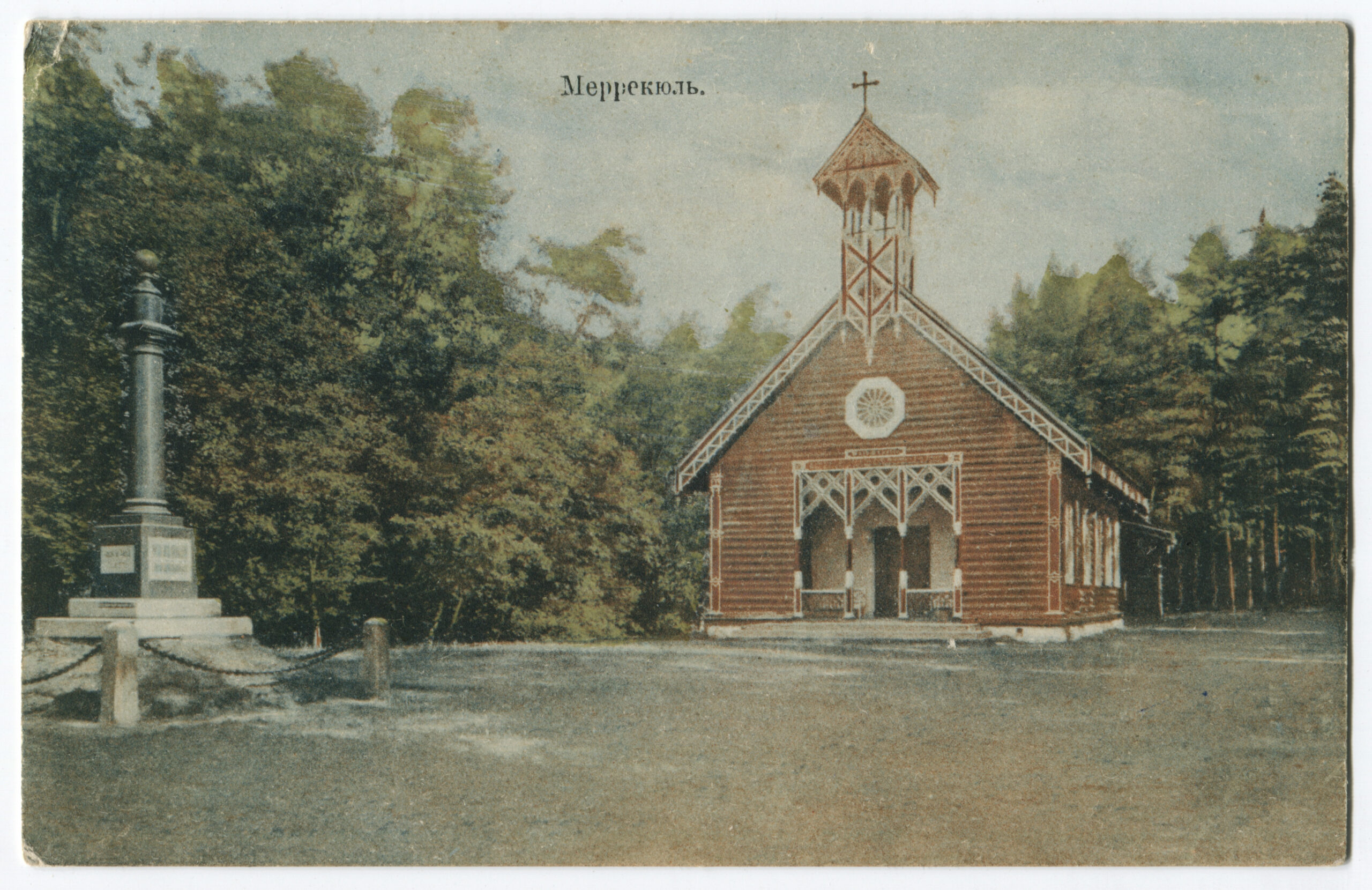
The forest chapel of Meriküla and the monument of W. R. Gendt
Lei Publication, Reval
28.11.1918 – 1. battalion commander was captain Viktor Liivak.
The forest chapel of Meriküla and the monument of W. R. Gendt
Lei Publication, Reval
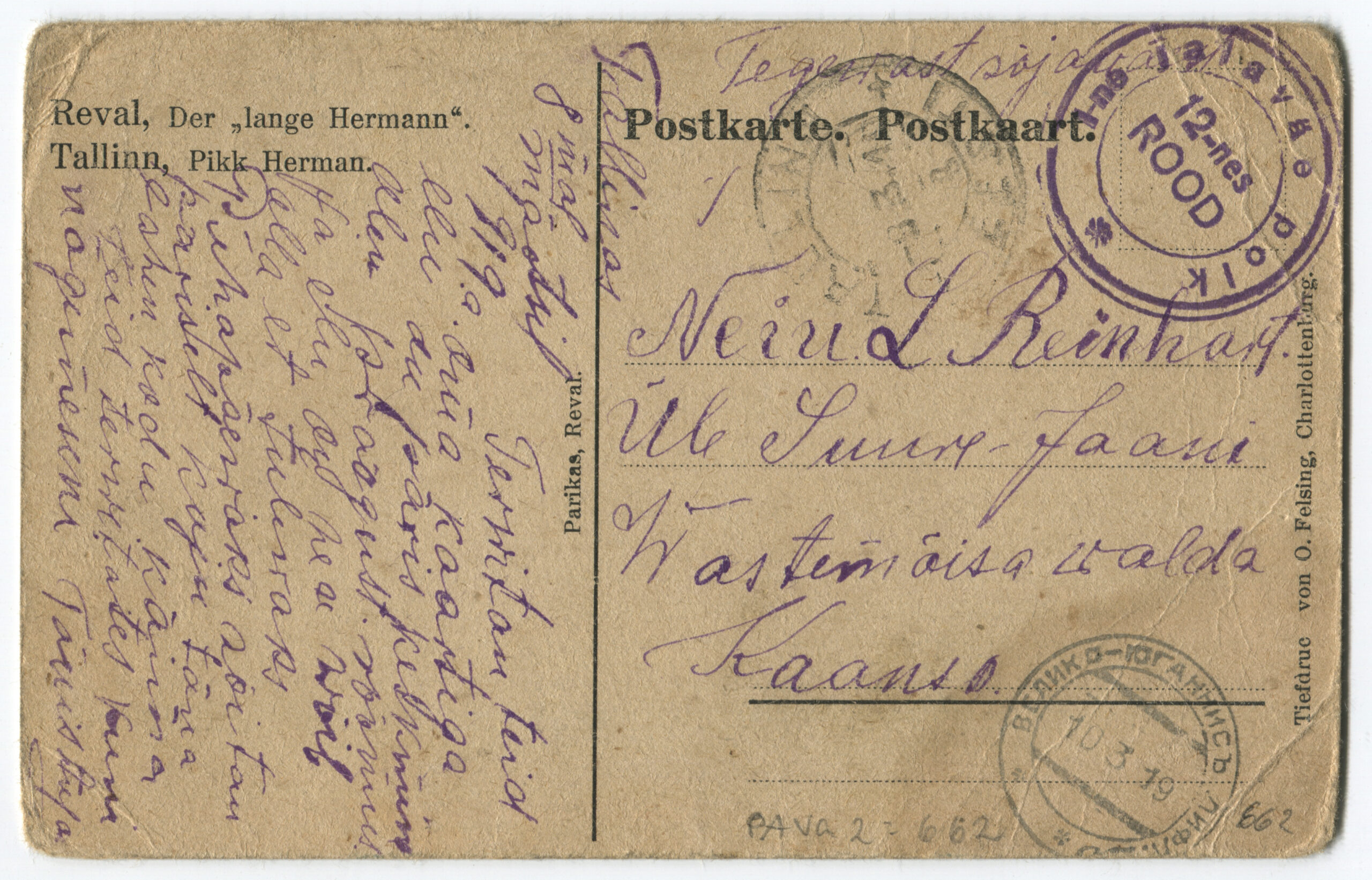
Postcard was sent from Tallinn to Suure-Jaani 8.03.1919.
In the beginning men went to war with their own clothes, they got the equipment from the country in 1919 november.
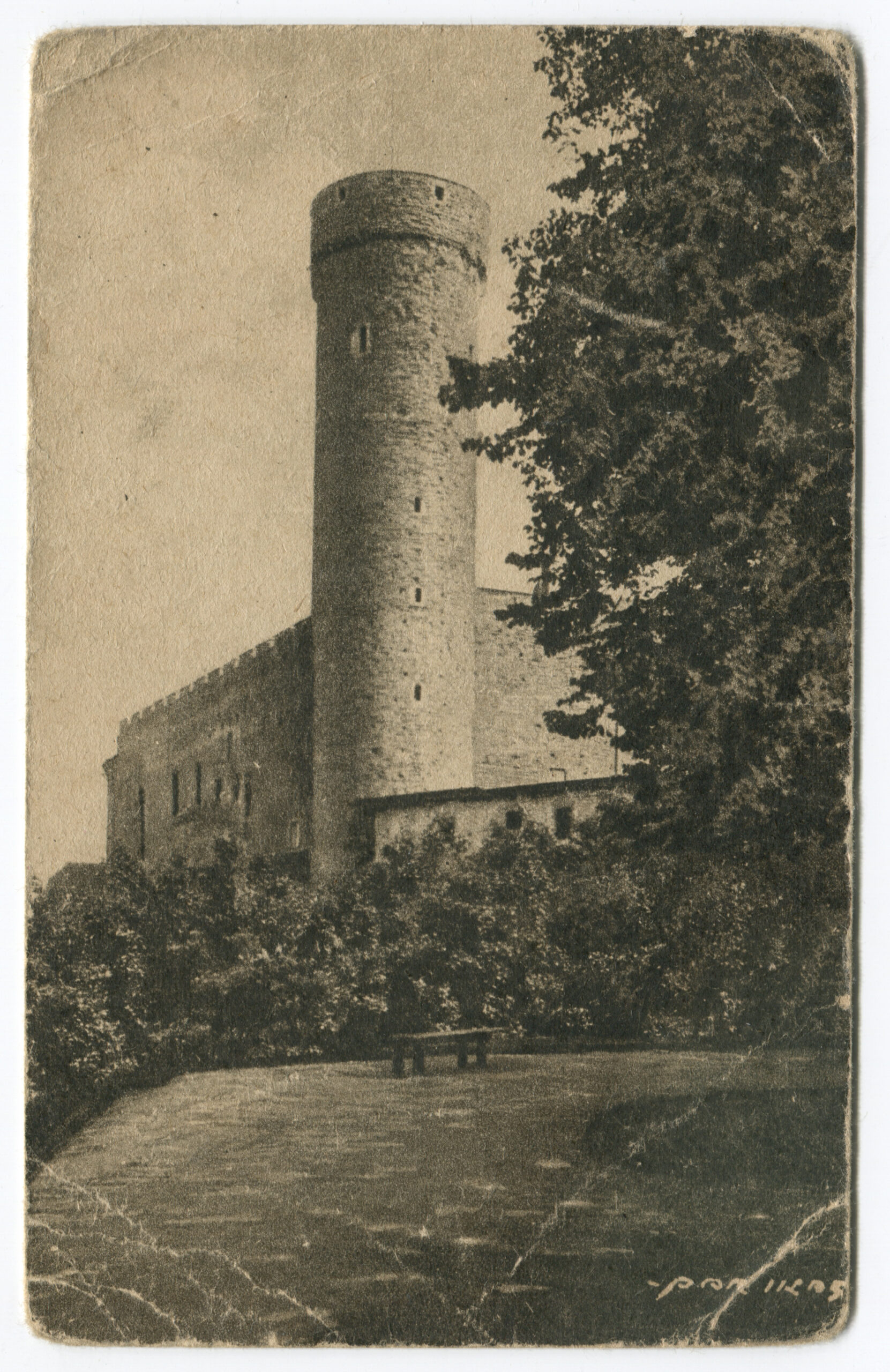
Toompea, Tallinn
Photo: Parikas
Postcard was sent from Tallinn to Suure-Jaani 8.03.1919.
In the beginning men went to war with their own clothes, they got the equipment from the country in 1919 november.
Toompea, Tallinn
Photo: Parikas
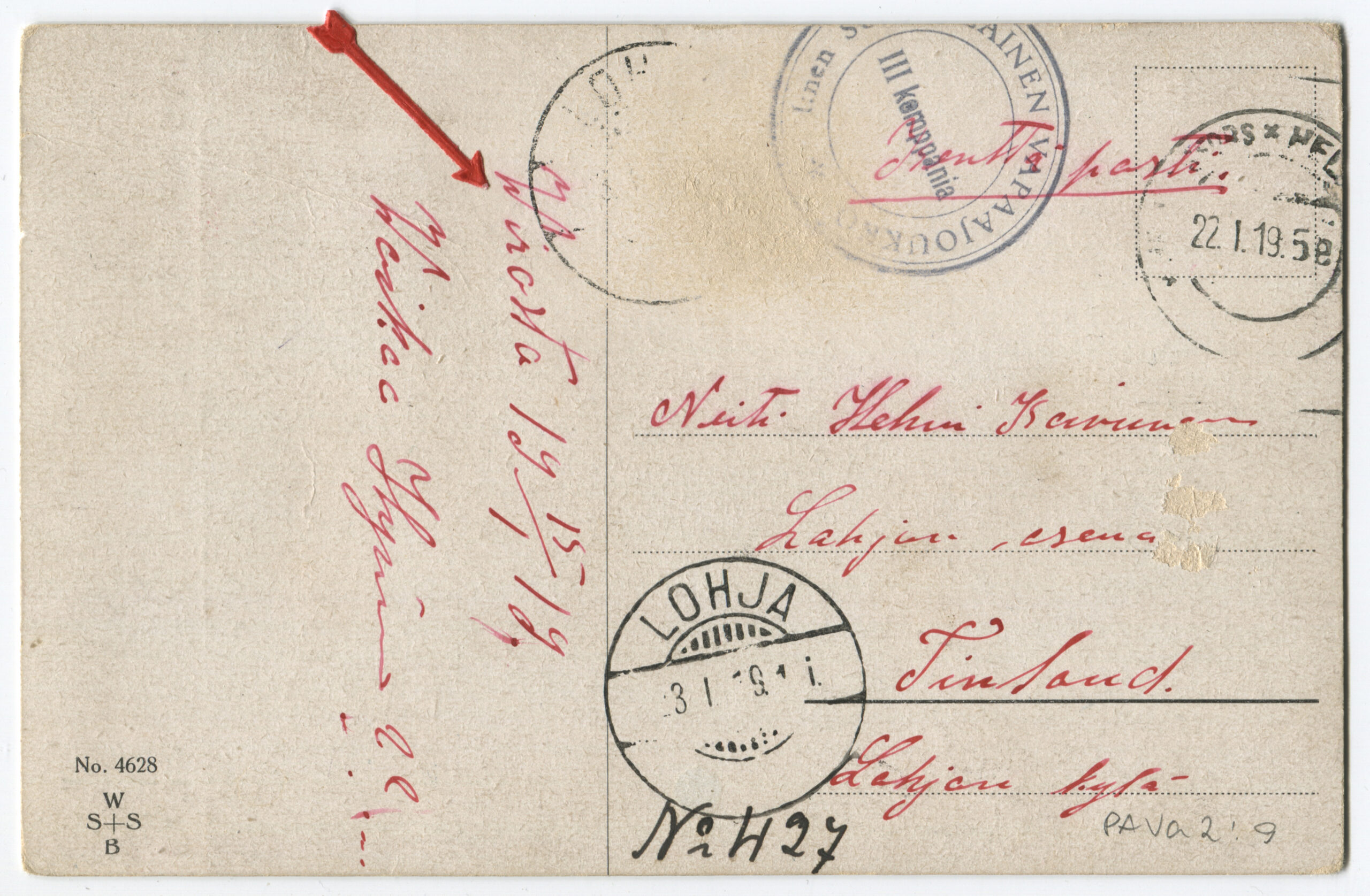
The first Finnish volunteer unit came to Tallinn on the 30.12.1918 on the ice breaker Tarmo which was led by the major Martin Ekström.
In the first company were 140 men, they arrived to front in the 5.01.1919.
In Janyary 1919 the third of the Estonian army was Finnish – 3700 men.
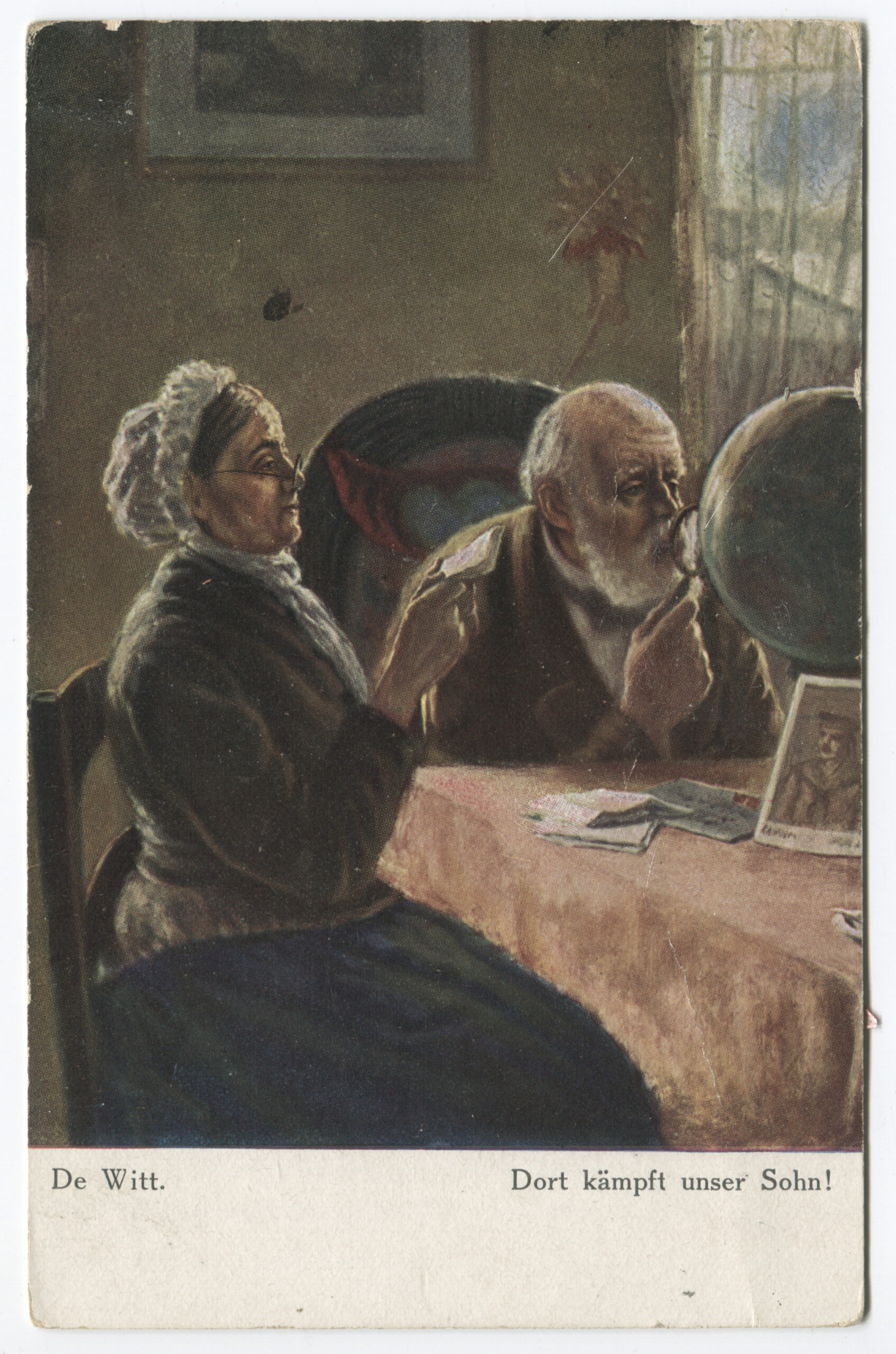
De Witt. Dort kämpft unser Sohn! (Our son fights there!)
The first Finnish volunteer unit came to Tallinn on the 30.12.1918 on the ice breaker Tarmo which was led by the major Martin Ekström.
In the first company were 140 men, they arrived to front in the 5.01.1919.
In Janyary 1919 the third of the Estonian army was Finnish – 3700 men.
De Witt. Dort kämpft unser Sohn! (Our son fights there!)
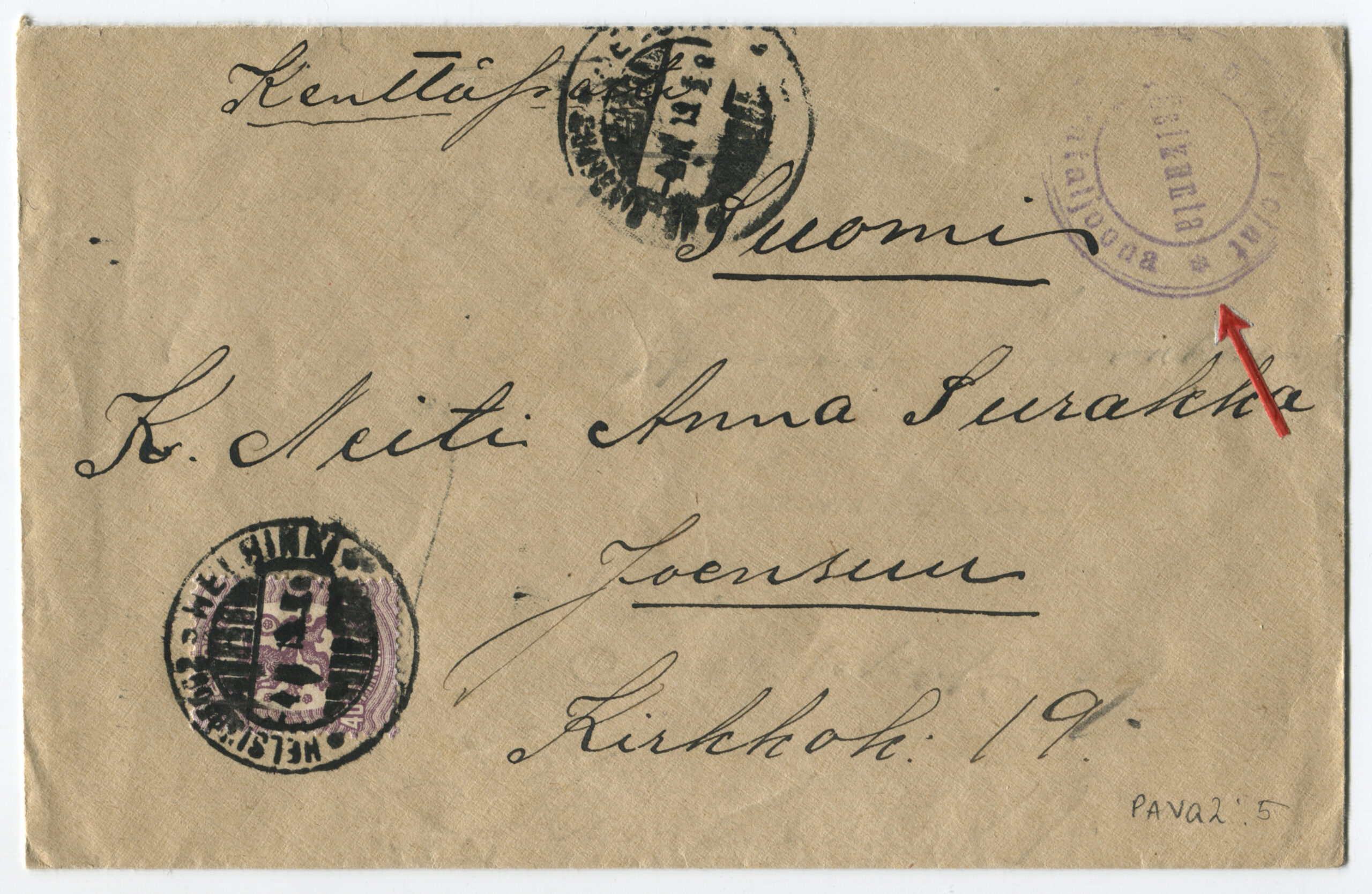
On the 12.01.1919 Sons of the North battalion (led by colonel Hans Kalm) arrived in Tallinn on the ice breaker Väinamöinen (later called Suur-Tõll)
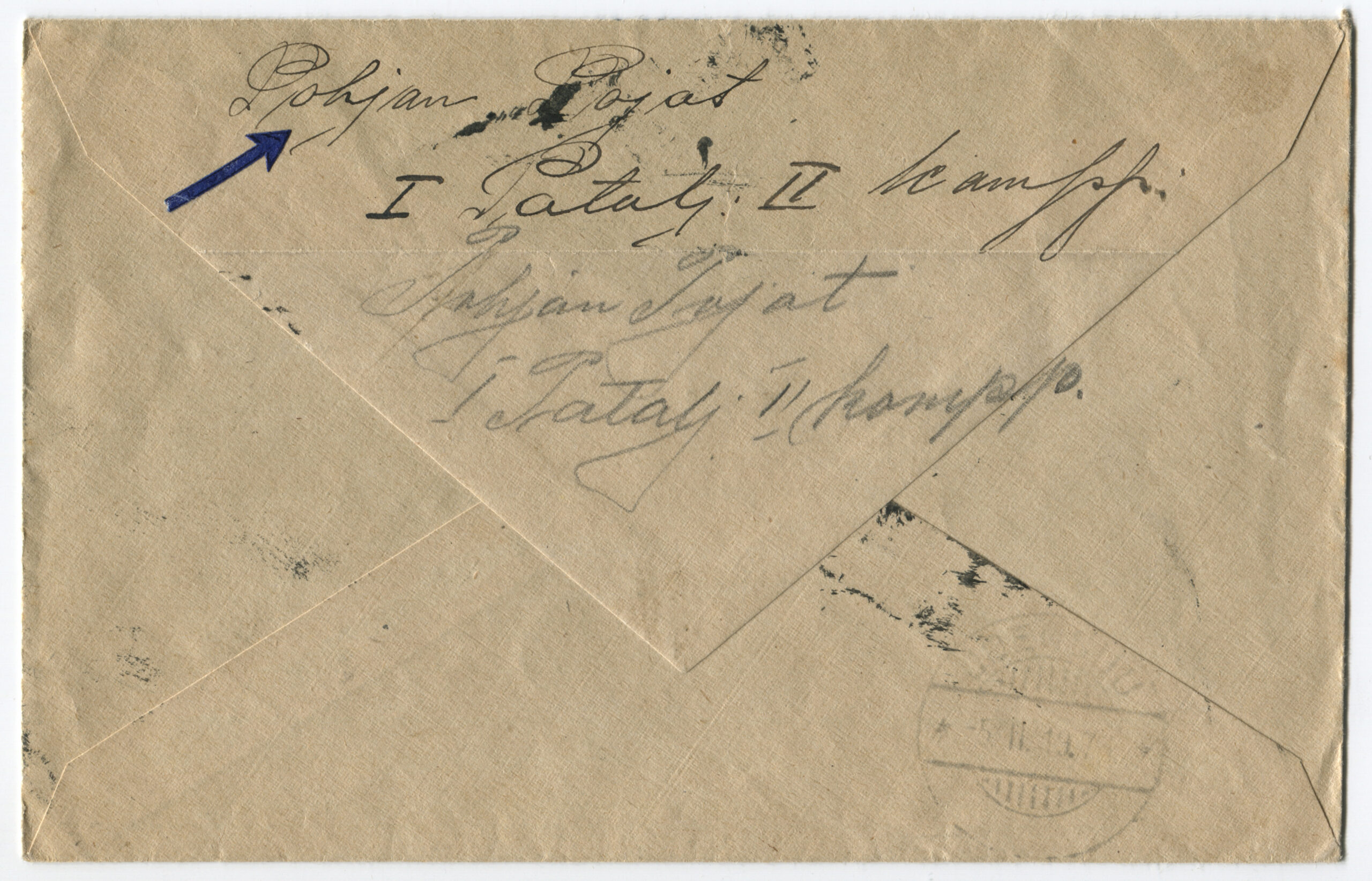
On the 12.01.1919 Sons of the North battalion (led by colonel Hans Kalm) arrived in Tallinn on the ice breaker Väinamöinen (later called Suur-Tõll)
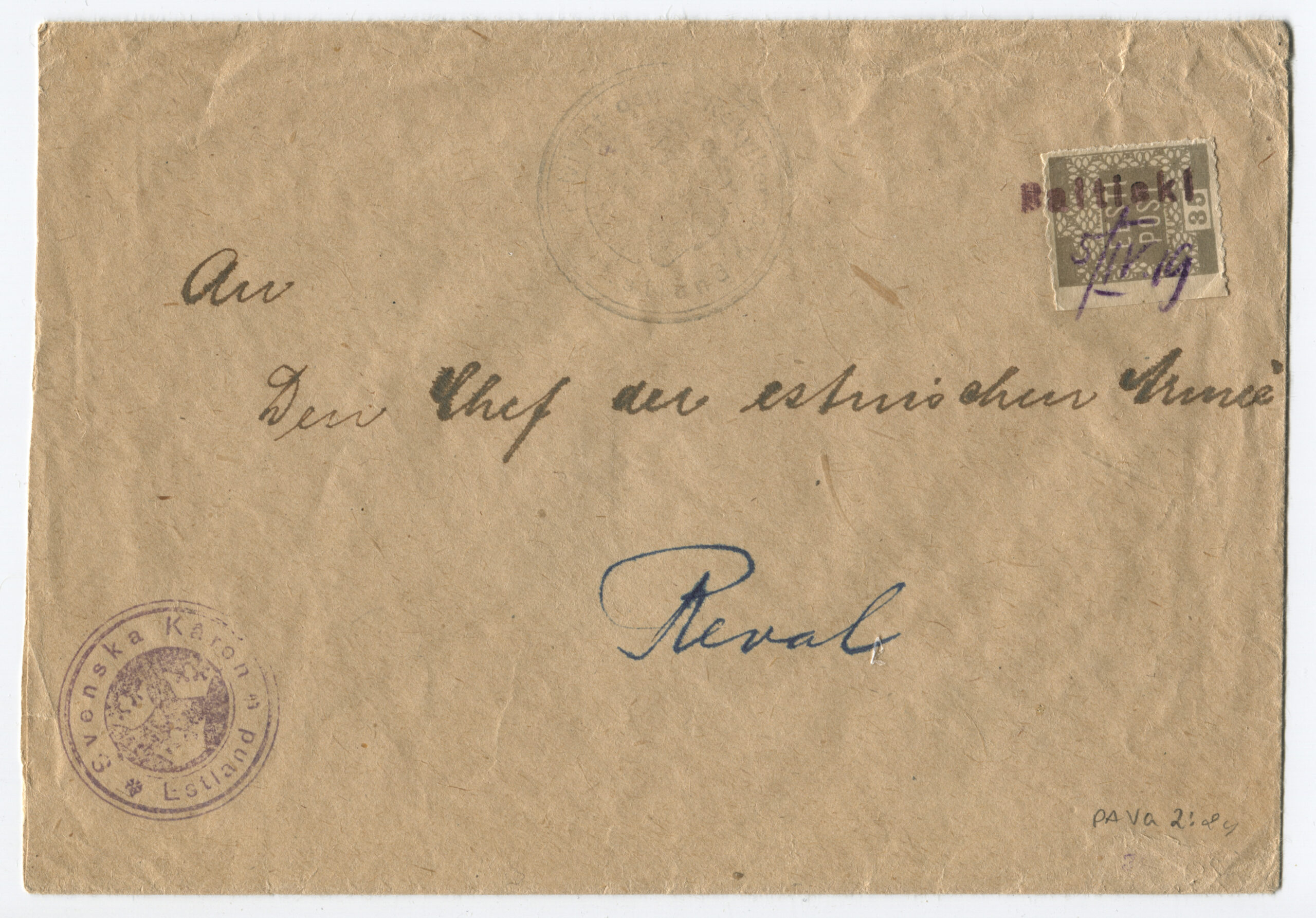
On the 13.02.1919 the Swedish company led by Carl Axsel Motheander arrived.
On the 13.02.1919 there was 173 men in the company.
On the 12.03 the company was sent to Paldiski and from there to the Viru front for restructing. On the first days of April the company went to the South front and was led by the the Scout battalion commander.
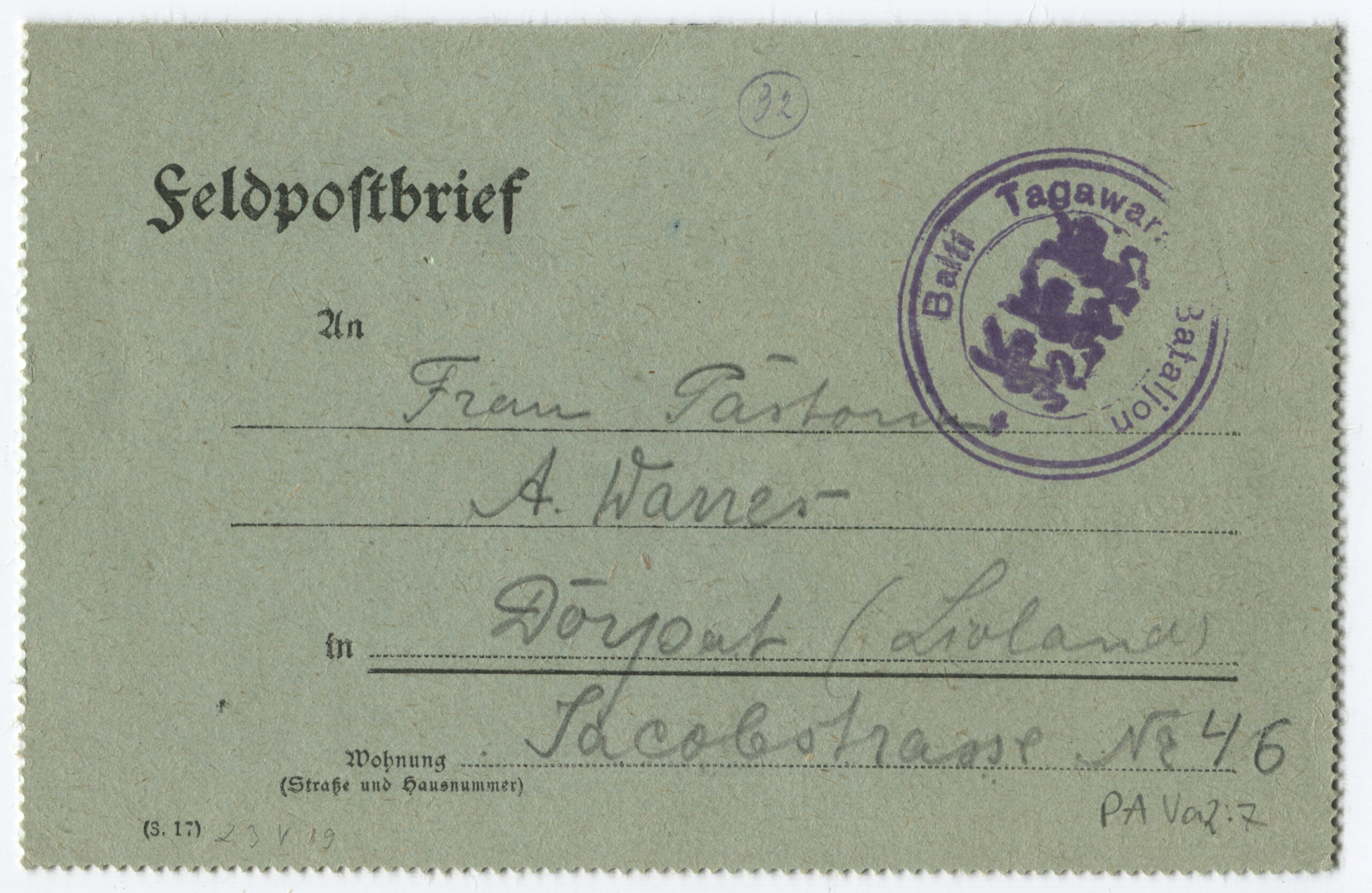
The Baltic battalion was made on the 27.11.1918 of volunteers from Tallinn, Tartu and Rakvere area.
The battalion commander was colonel Konstantin Alexander Clemens von Weiss.
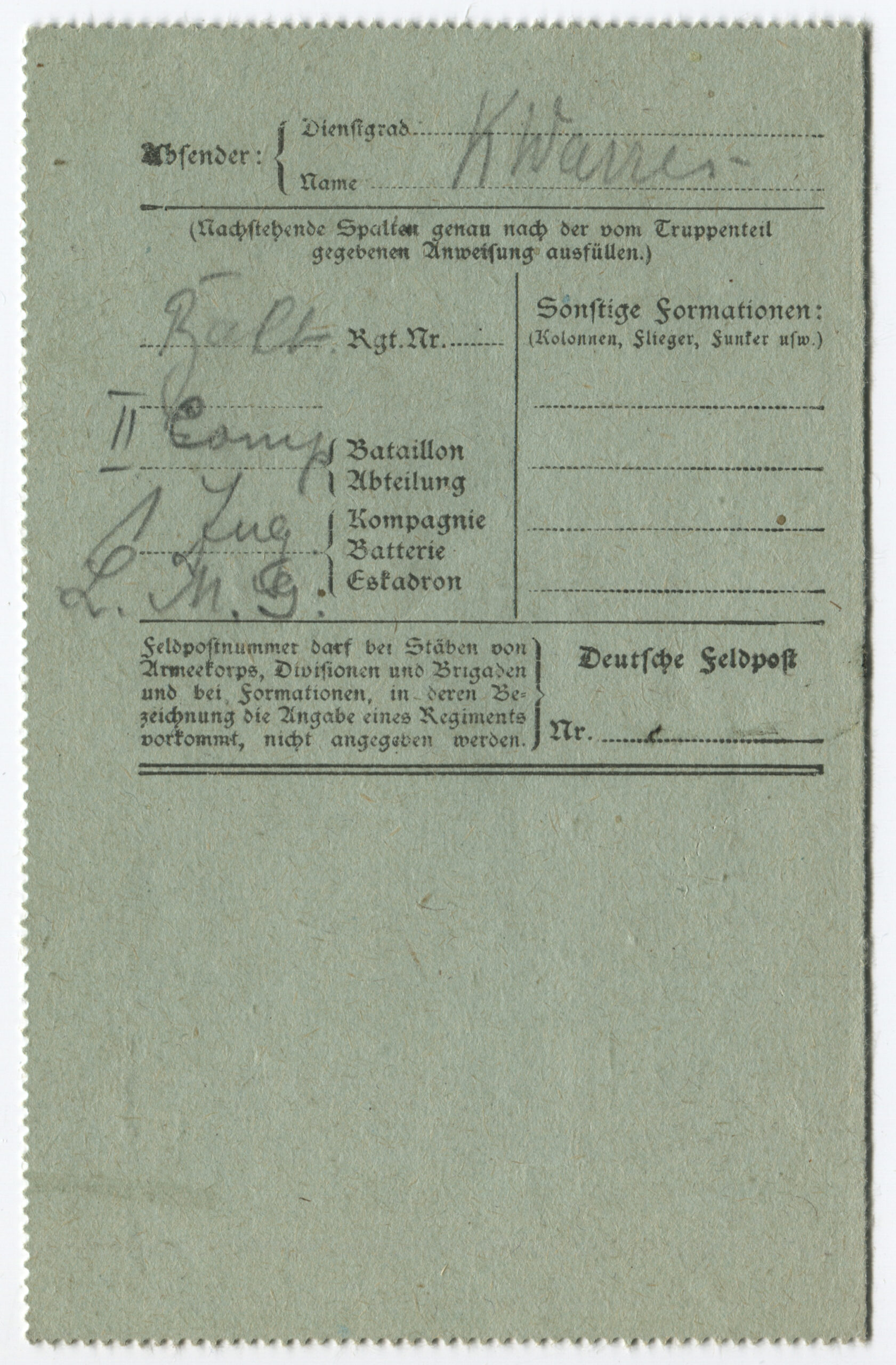
The Baltic battalion was made on the 27.11.1918 of volunteers from Tallinn, Tartu and Rakvere area.
The battalion commander was colonel Konstantin Alexander Clemens von Weiss.
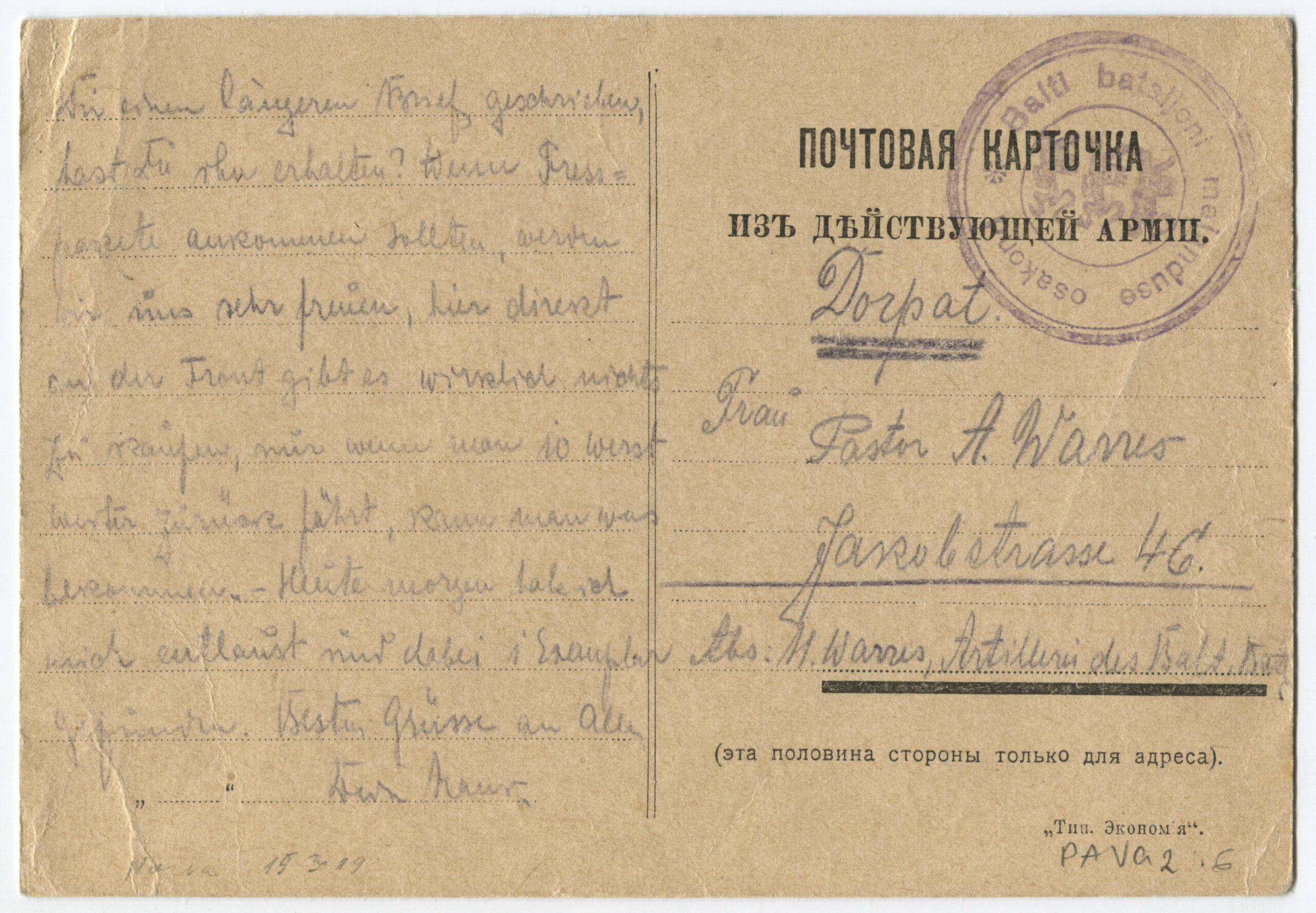
The postcard was sent on the 15.03.1919 from Narva to Dorpat.
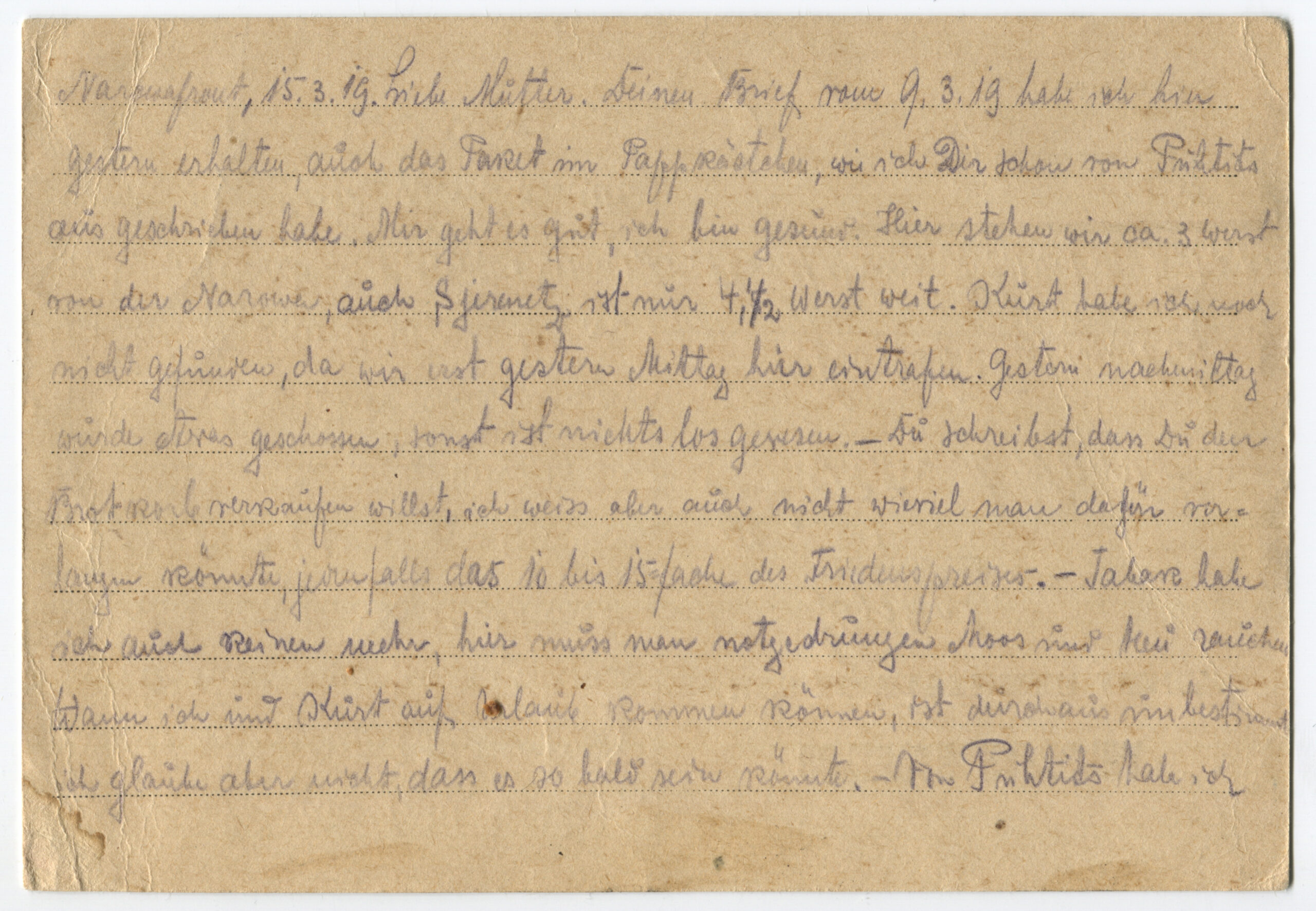
The postcard was sent on the 15.03.1919 from Narva to Dorpat.
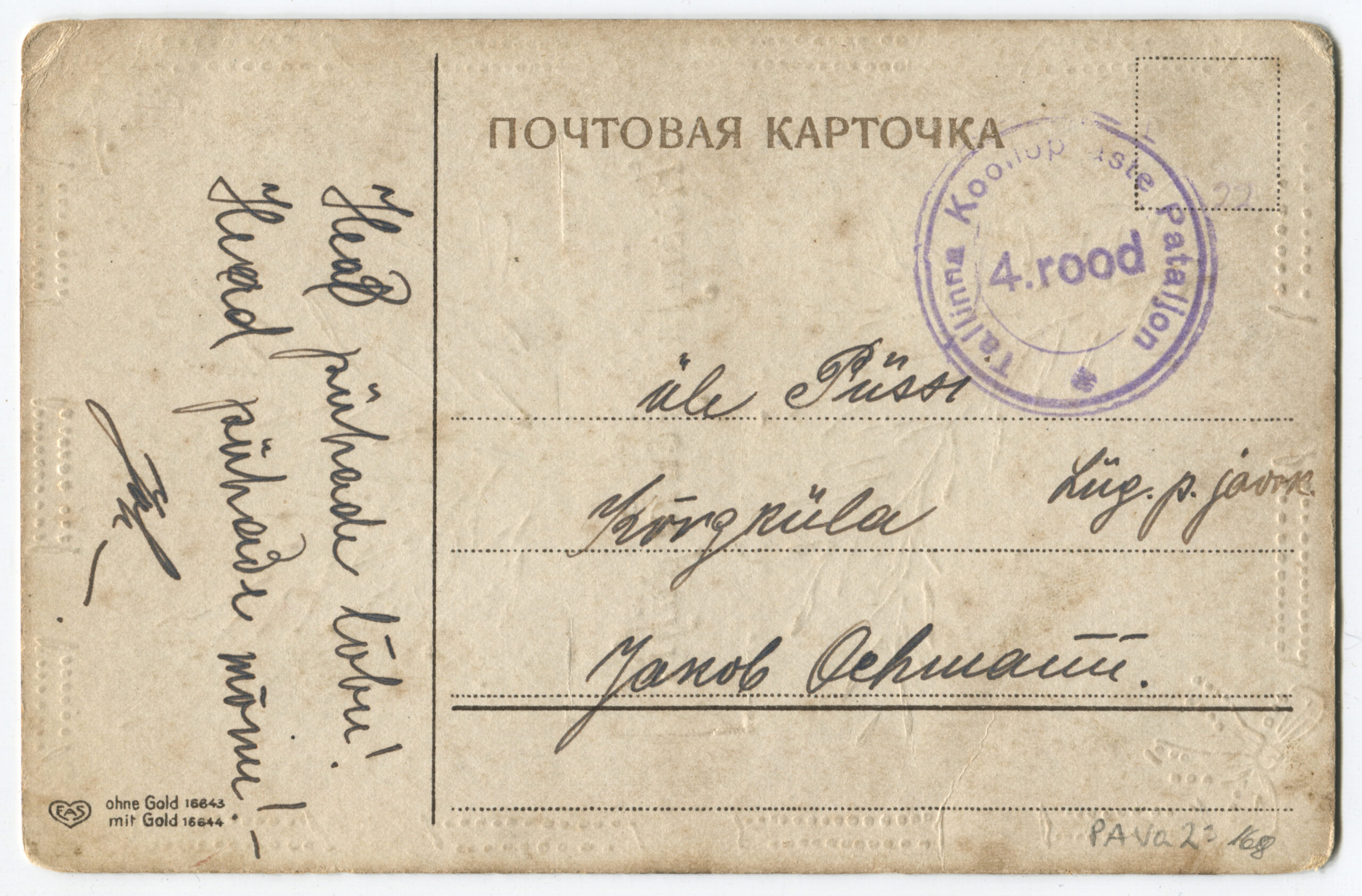
The Tallinn School Student Company was made on the 16.12.1918.
On the 23.01.1919 according to the Chief of Internal Defense Ernst Põdder order Tallinn School Student Battalion was made from company, where was over 400 student, Ersnt Leithammel was made to the commander.
The Tallinn School Student Company was made on the 16.12.1918.
On the 23.01.1919 according to the Chief of Internal Defense Ernst Põdder order Tallinn School Student Battalion was made from company, where was over 400 student, Ersnt Leithammel was made to the commander.
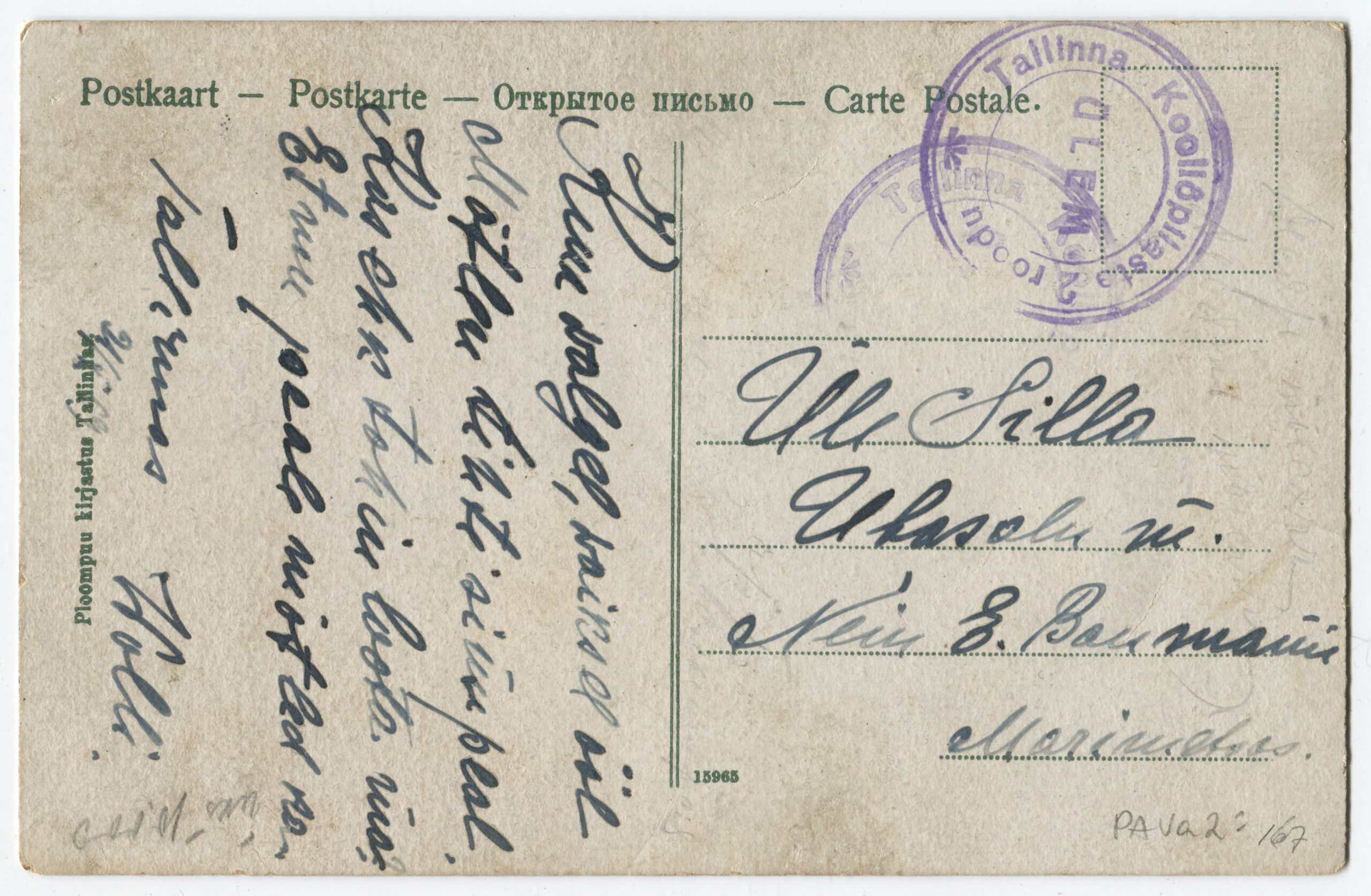
15.12.1918 – the School Student Company was made in Tallinn, all high school students and trade school students in the last two grades had to join, also all technical, agricultural and art school students.
Linda stone in the lake Ülemiste, Reval (Tallinn), Eesti
Ploompuu publication, Tallinn
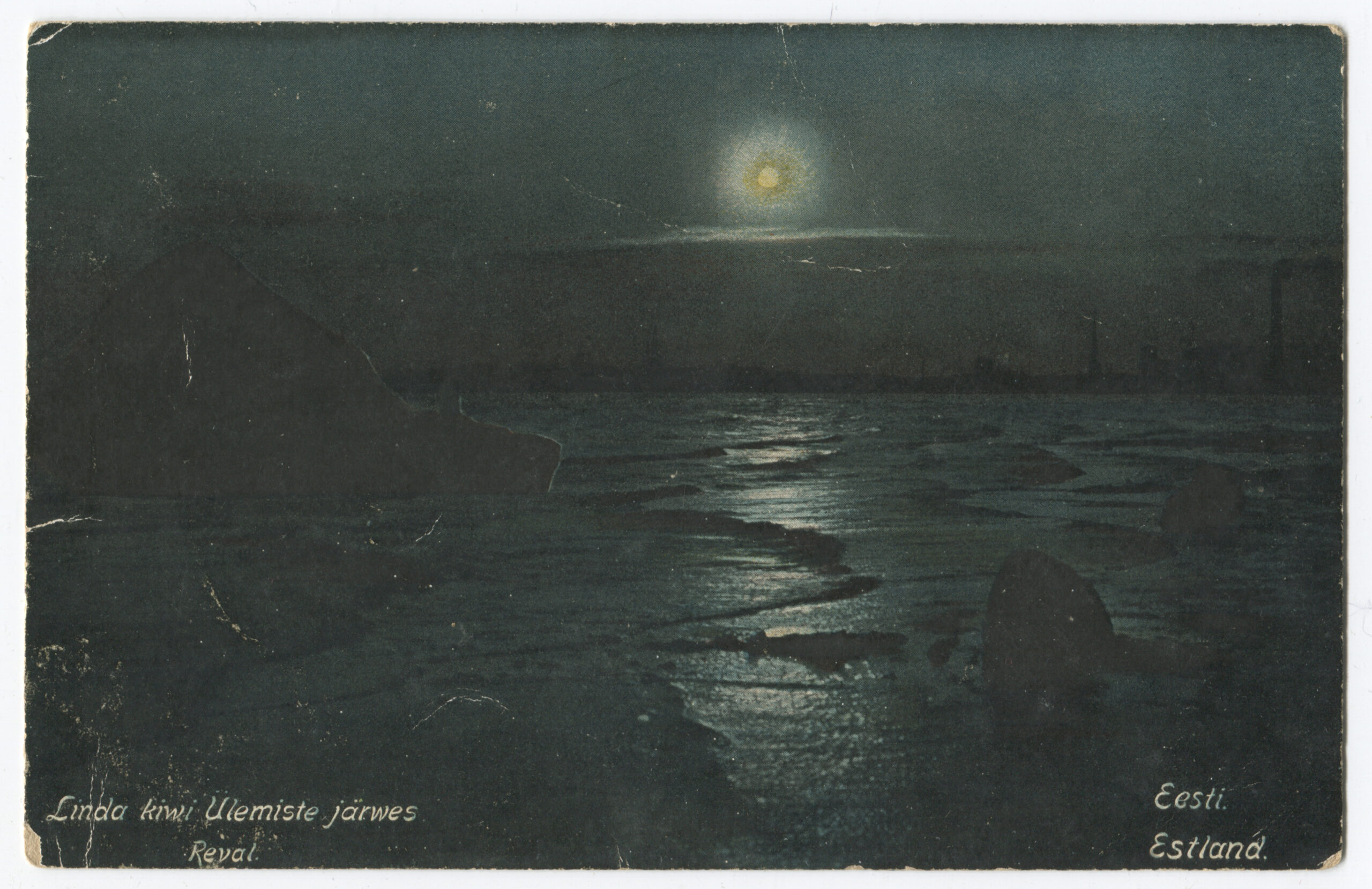
15.12.1918 – the School Student Company was made in Tallinn, all high school students and trade school students in the last two grades had to join, also all technical, agricultural and art school students.
Linda stone in the lake Ülemiste, Reval (Tallinn), Eesti
Ploompuu publication, Tallinn
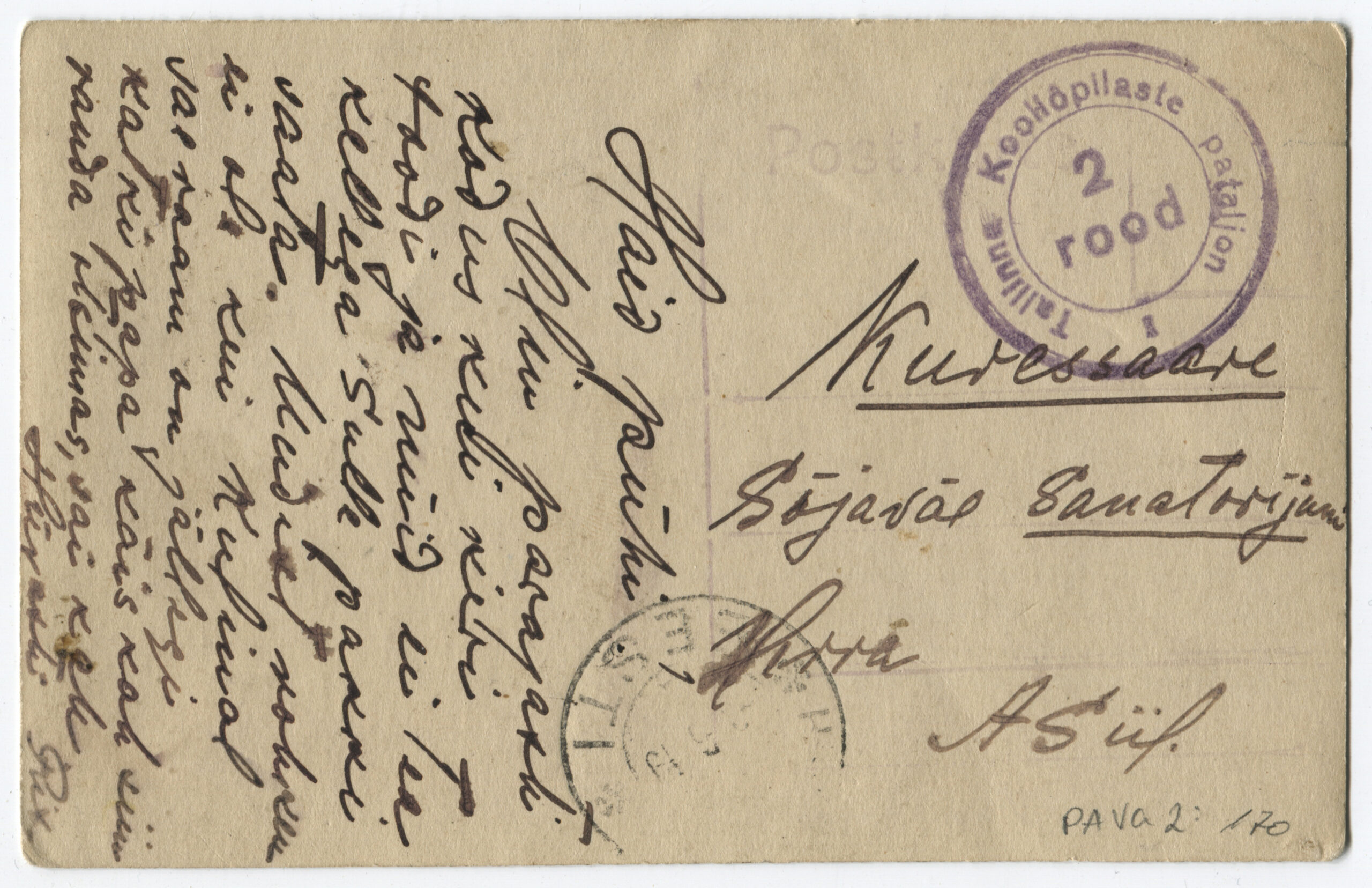
Tallinn school students were in the Kalevlaste battalion and on the armored trains no 1, 2 and 3.
On the armored train no 2 there was also the Estonian Art Society’s Tallinn School of Arts and Crafts’ student Eduart Wiiralt.
Foto: Reval, General Commando (Toompea, Tallinn)
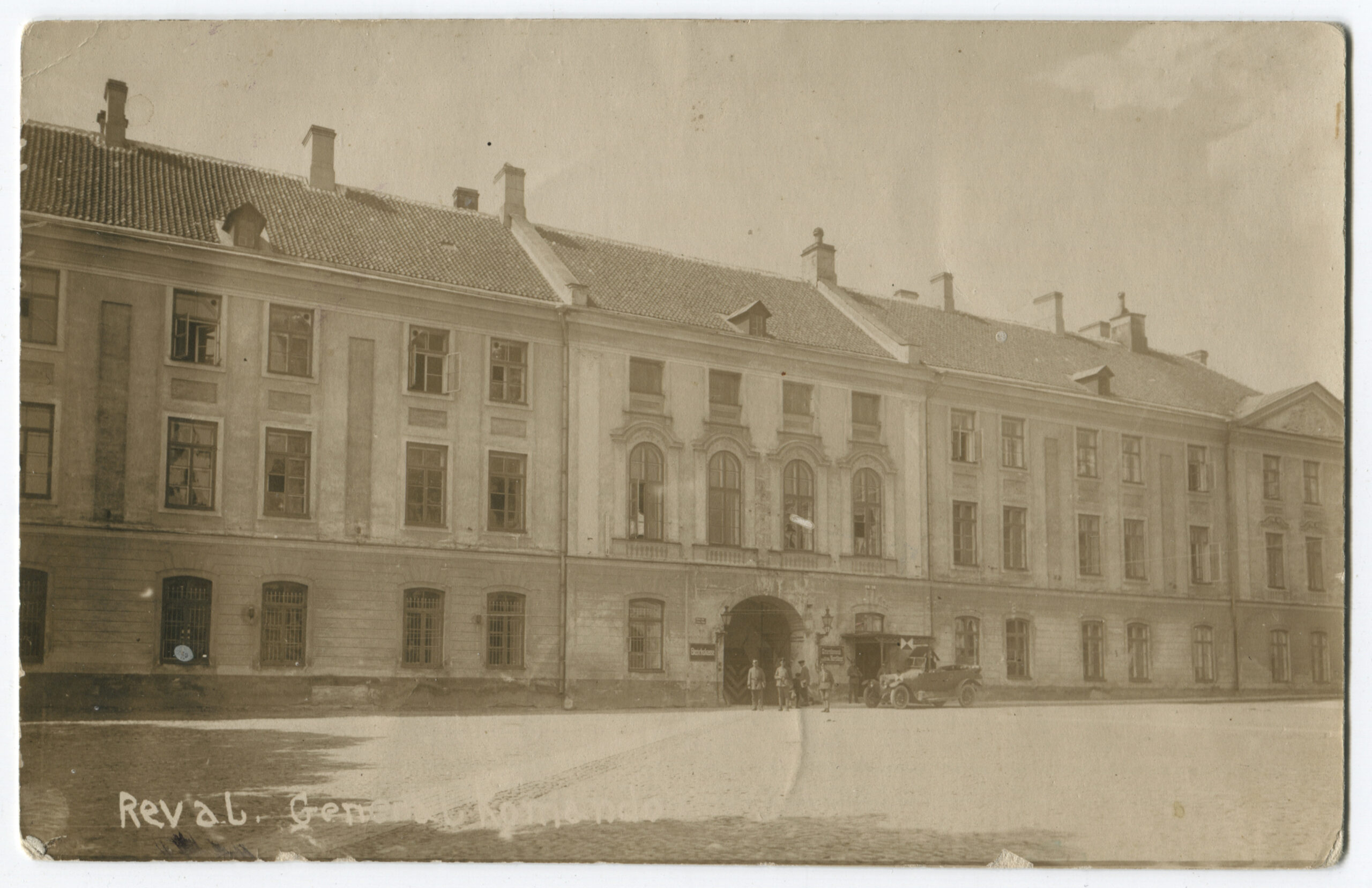
Tallinn school students were in the Kalevlaste battalion and on the armored trains no 1, 2 and 3.
On the armored train no 2 there was also the Estonian Art Society’s Tallinn School of Arts and Crafts’ student Eduart Wiiralt.
Foto: Reval, General Commando (Toompea, Tallinn)
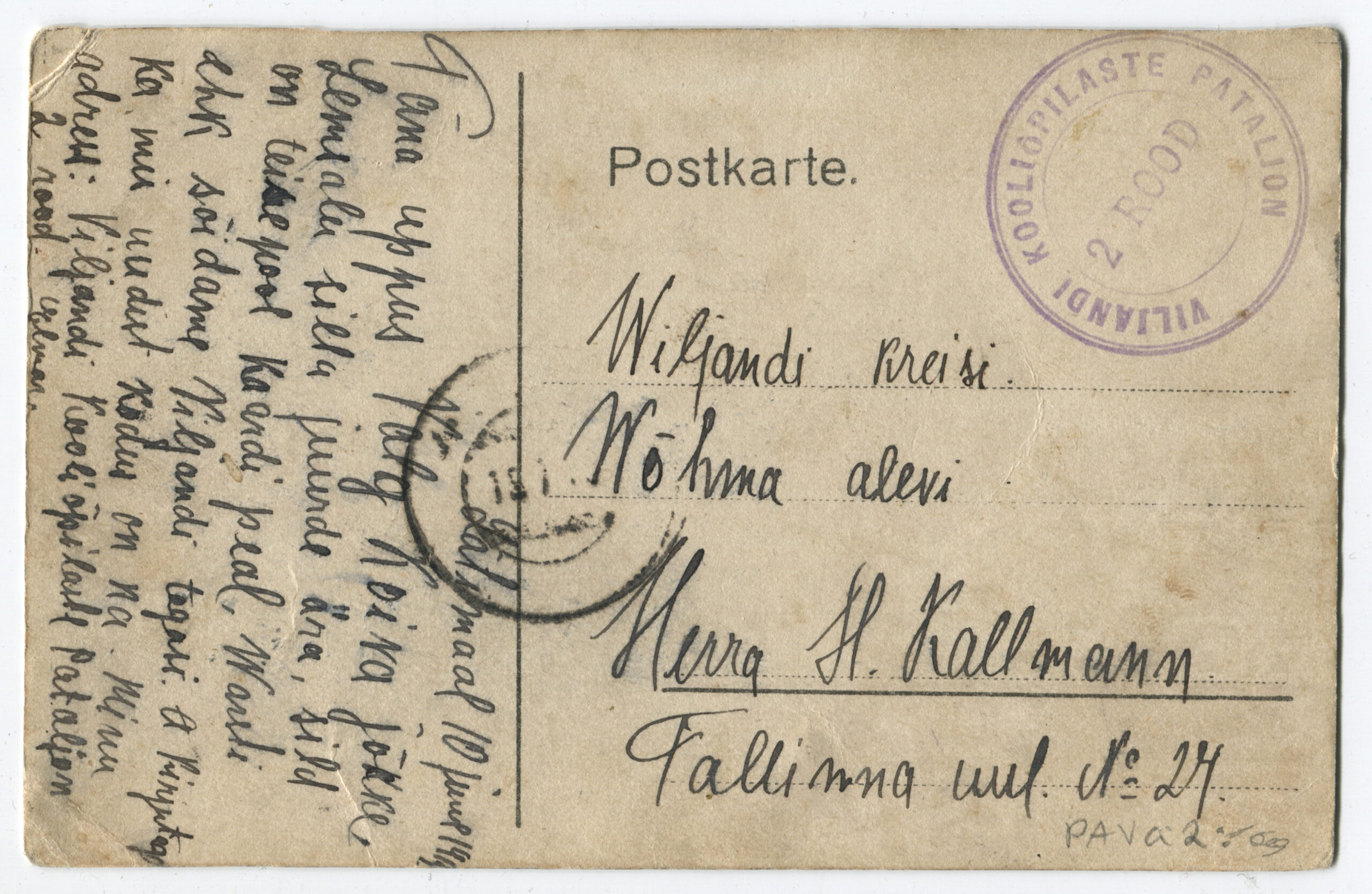
Viljandi School Student Battalion was made on the 11.06.1919.
The first battalion commandor was the ensign Aleksander Estam, who was soon replaced with the lieutenant Jaan Põdra.
Wenden (Cēsis)
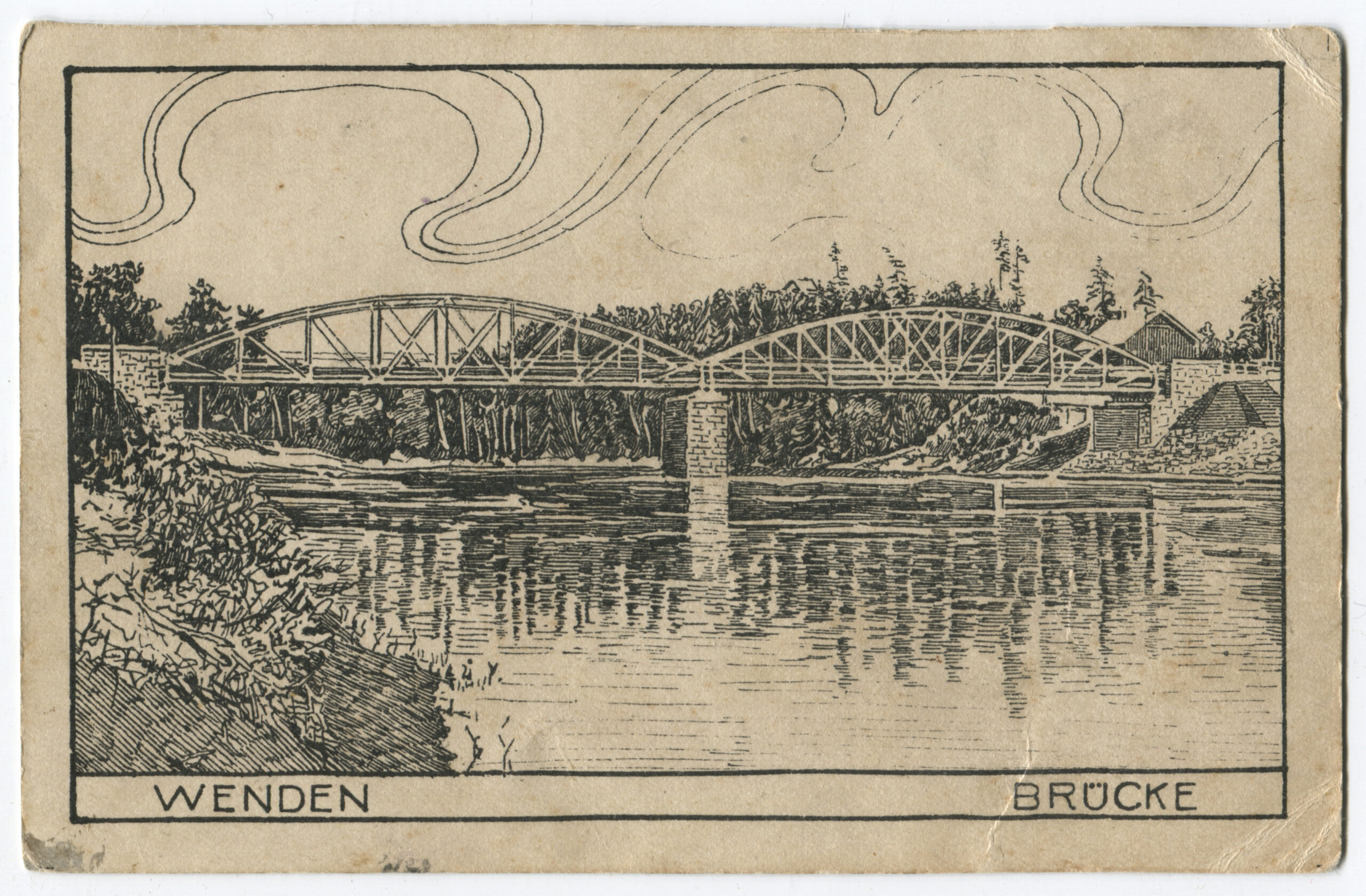
Viljandi School Student Battalion was made on the 11.06.1919.
The first battalion commandor was the ensign Aleksander Estam, who was soon replaced with the lieutenant Jaan Põdra.
Wenden (Cēsis)
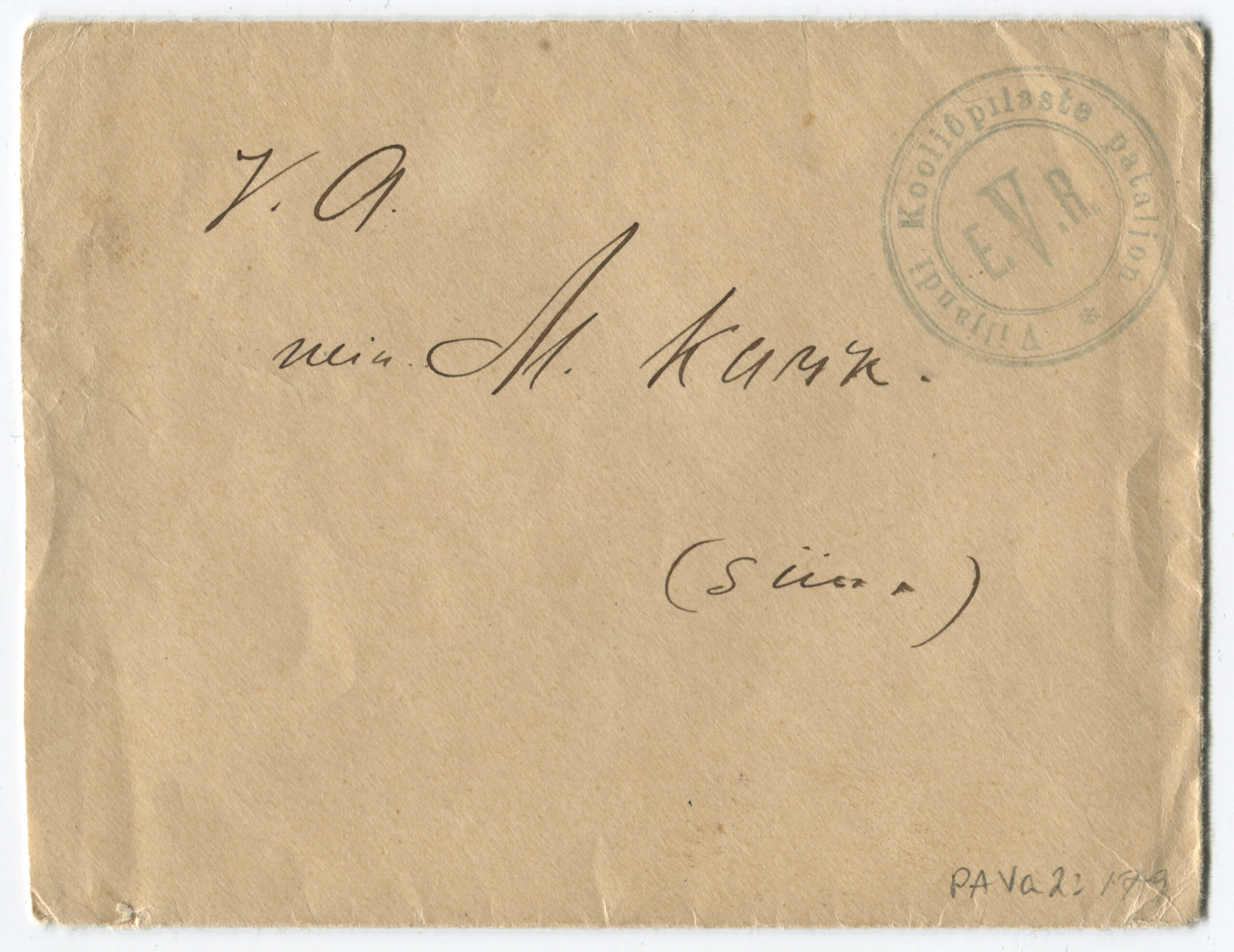
The Viljandi School Student Battalion was formed on the 11.06.1919.
Viljandi school students fought together with Sakala Partisan Battalion and the Estonian Scout Battalion.
The Viljandi School Student Battalion was formed on the 11.06.1919.
Viljandi school students fought together with Sakala Partisan Battalion and the Estonian Scout Battalion.
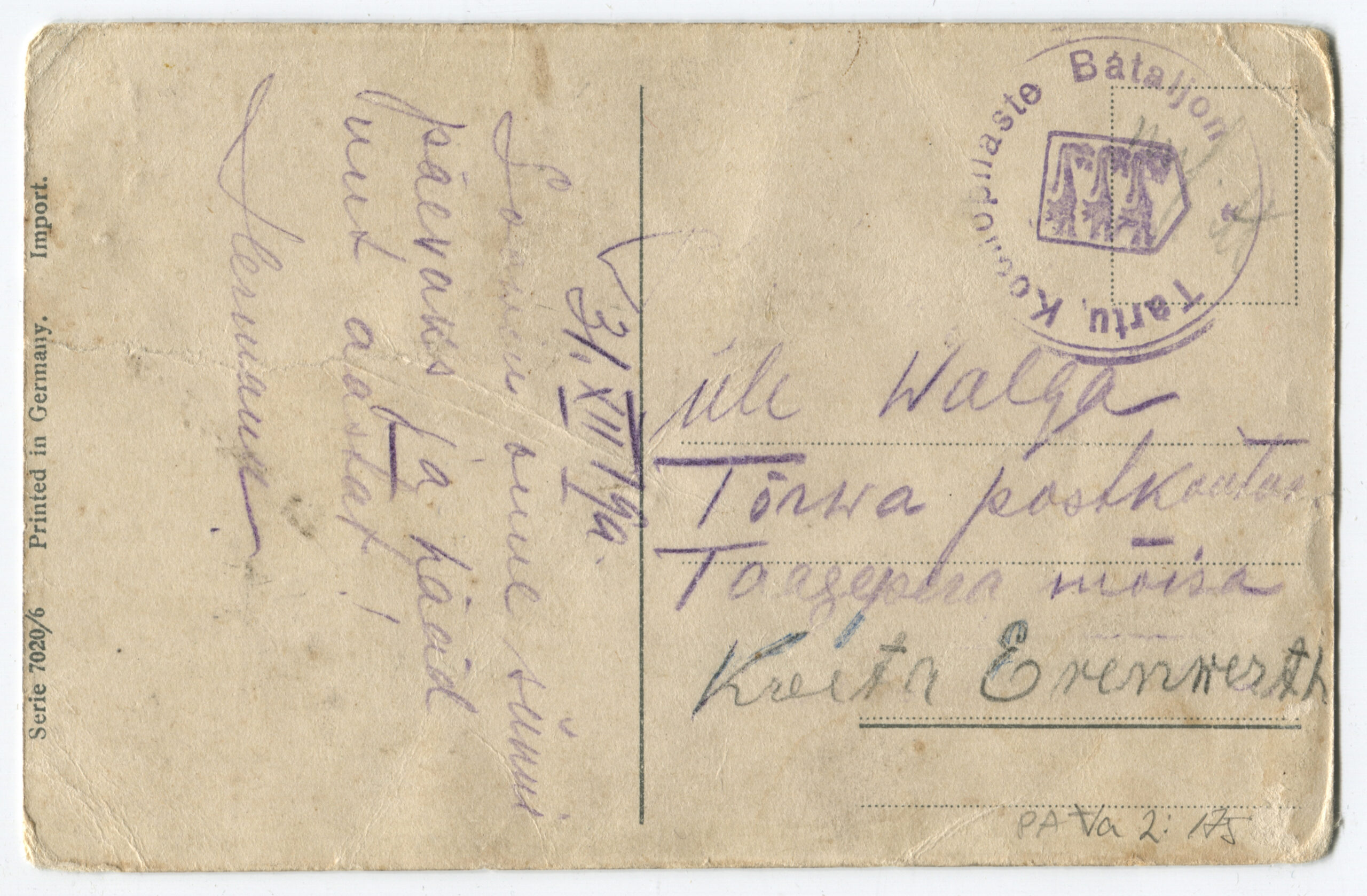
After freeing the Tartu city (by Kuperjanovians and armored trains no 1 and 3) on the 14.01.1919, a special reserve of schoolchildren was formed at the reorganized Defense League, what on the 15.05.1919 was renamed to Tartu School Students Reserve Battalion. The battalion commandor was the captain Elmar Saar from the 5. Company.
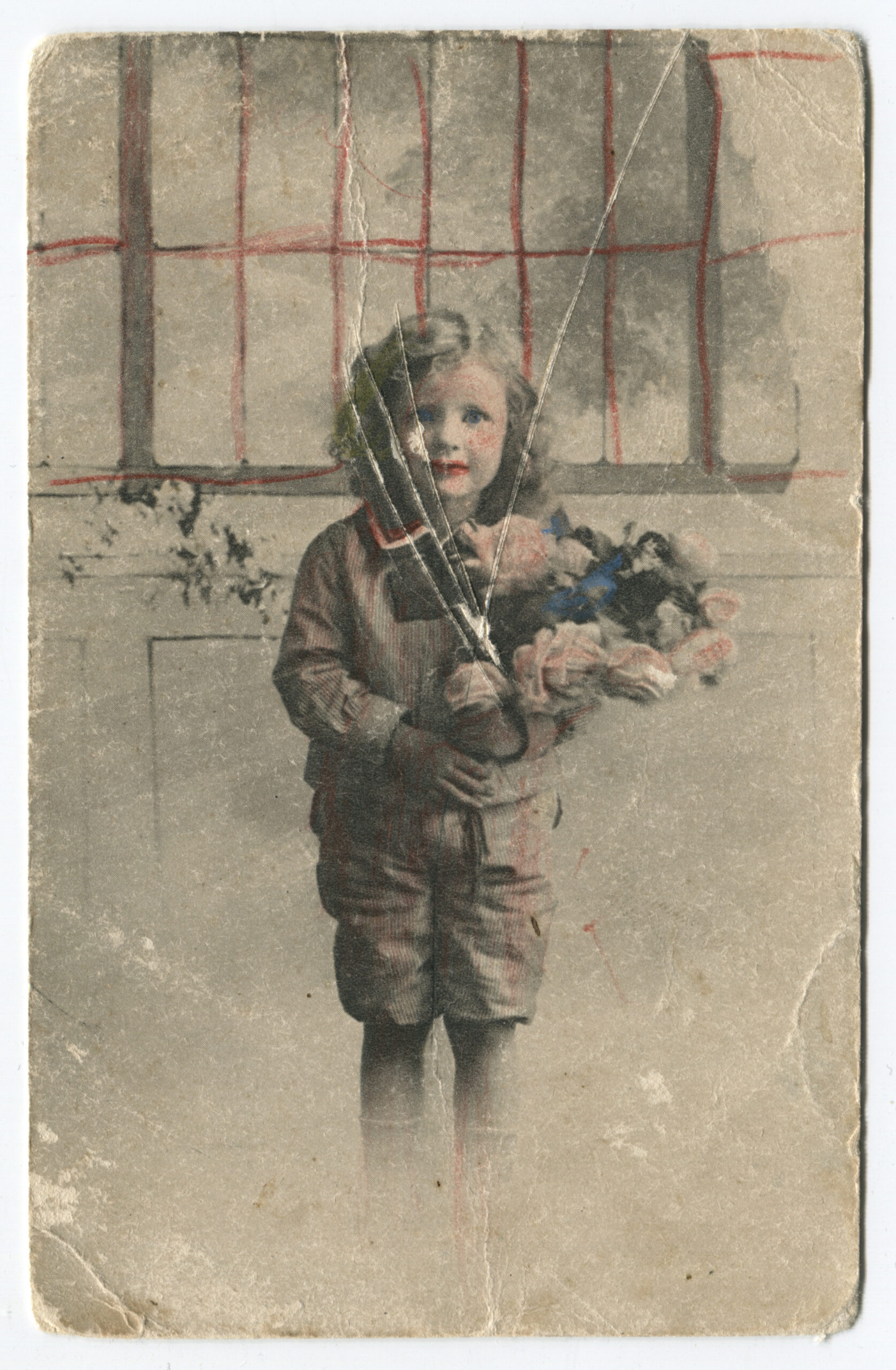
After freeing the Tartu city (by Kuperjanovians and armored trains no 1 and 3) on the 14.01.1919, a special reserve of schoolchildren was formed at the reorganized Defense League, what on the 15.05.1919 was renamed to Tartu School Students Reserve Battalion. The battalion commandor was the captain Elmar Saar from the 5. Company.
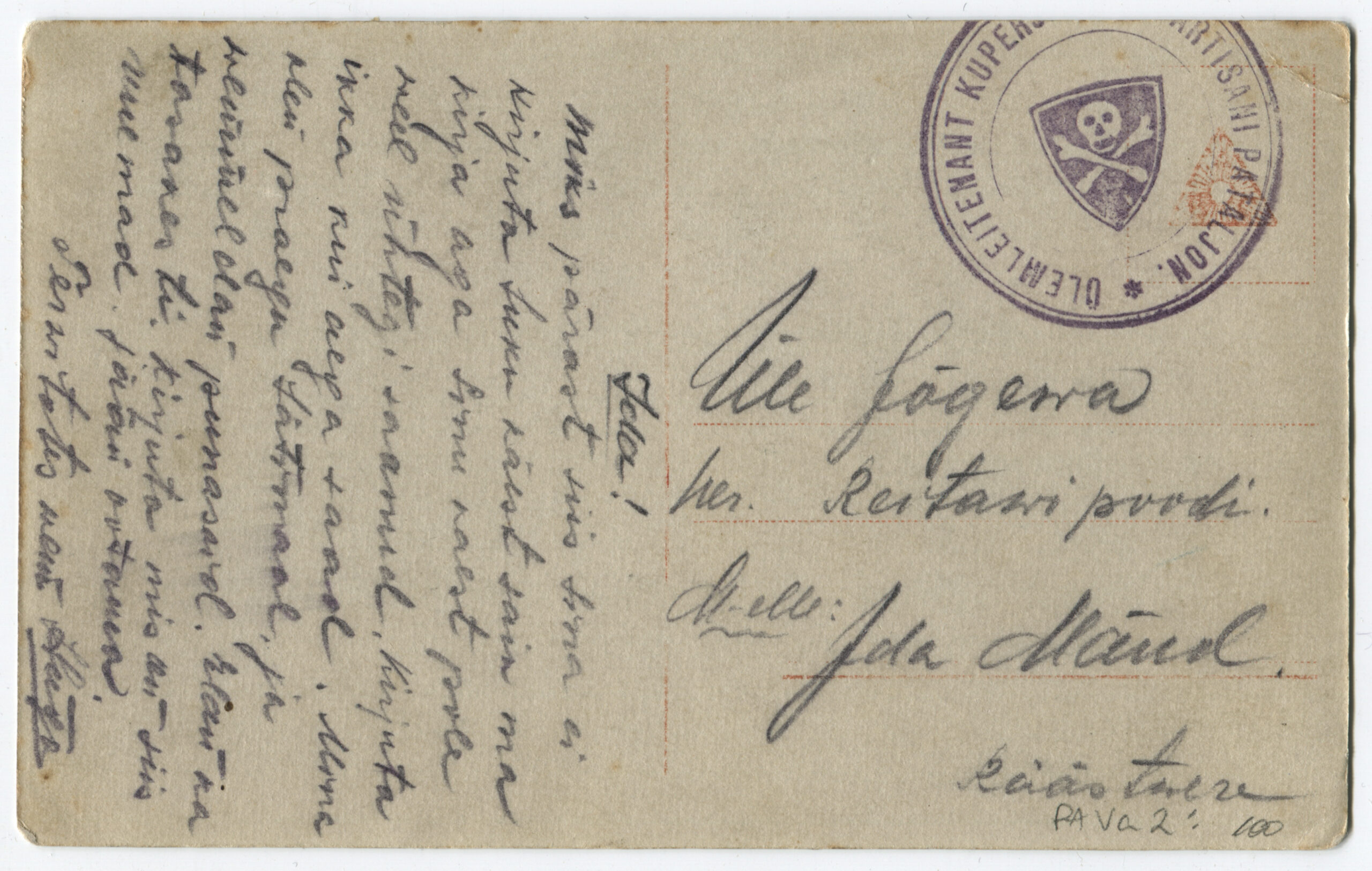
The official birthday of Kuperjanov Partisan Battalion is 23.12.1918 in Puurmani, when lieutenant Julius Kuperjanov got the permission to form the special partisan battalion from the colonel Ernst Limberg, who was then the commander of the 2nd division.
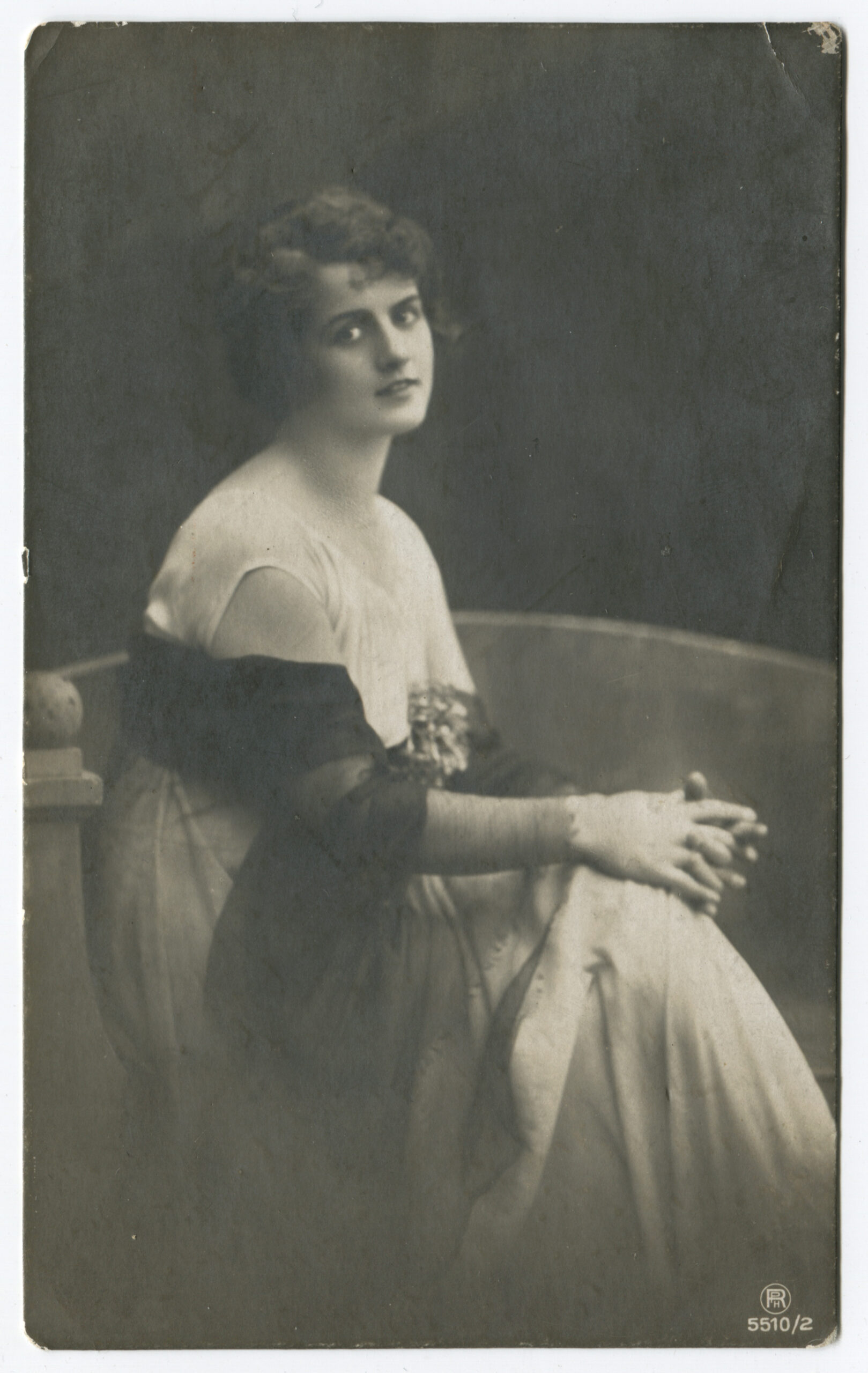
The official birthday of Kuperjanov Partisan Battalion is 23.12.1918 in Puurmani, when lieutenant Julius Kuperjanov got the permission to form the special partisan battalion from the colonel Ernst Limberg, who was then the commander of the 2nd division.
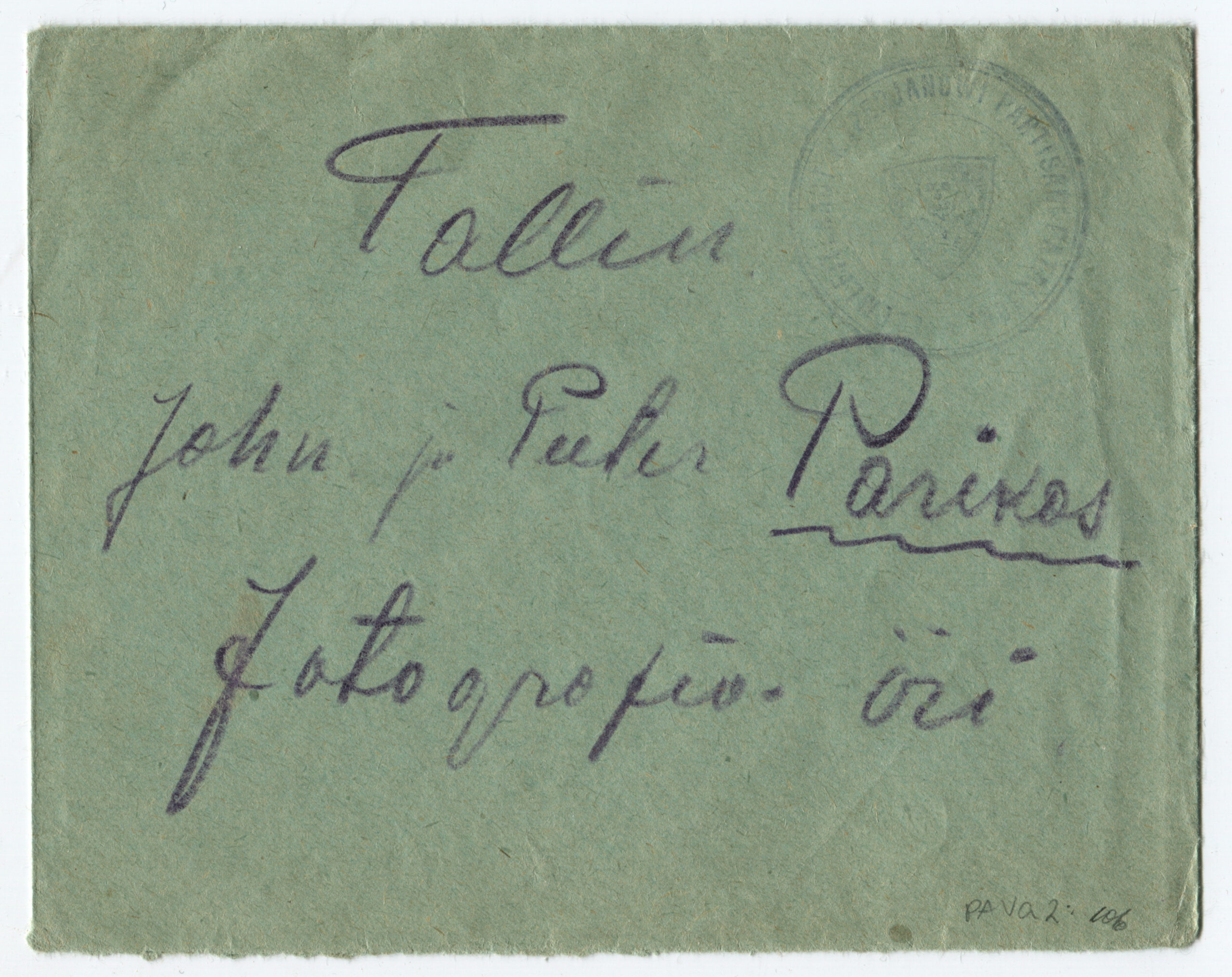
On the 31.01.1919 Julius Kuperjanov was fatally wounded in the Battle of Paju. He did not get on the sanitary train until the night of the 1.02.1919, and on the 2.02.1919, Kuperjanov died of his wounds in the second Tartu military hospital (Aia tn 38).
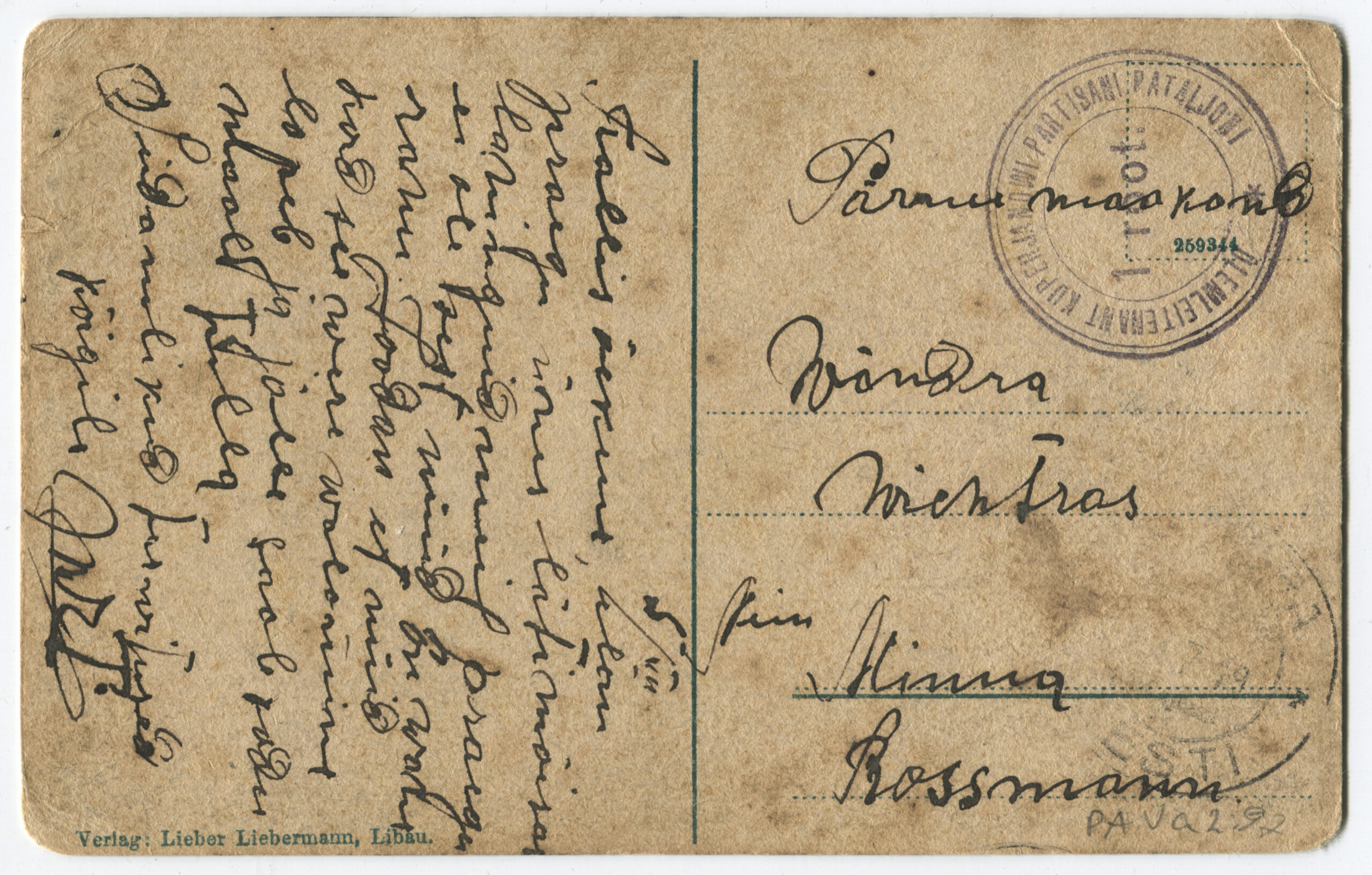
On the 3.02.1919 the Tartu County Partisan Battalion was renamed to the Kuperjanov Partisan Battalion.
Libau, Kurhausprospekt (Liepaja, Läti)
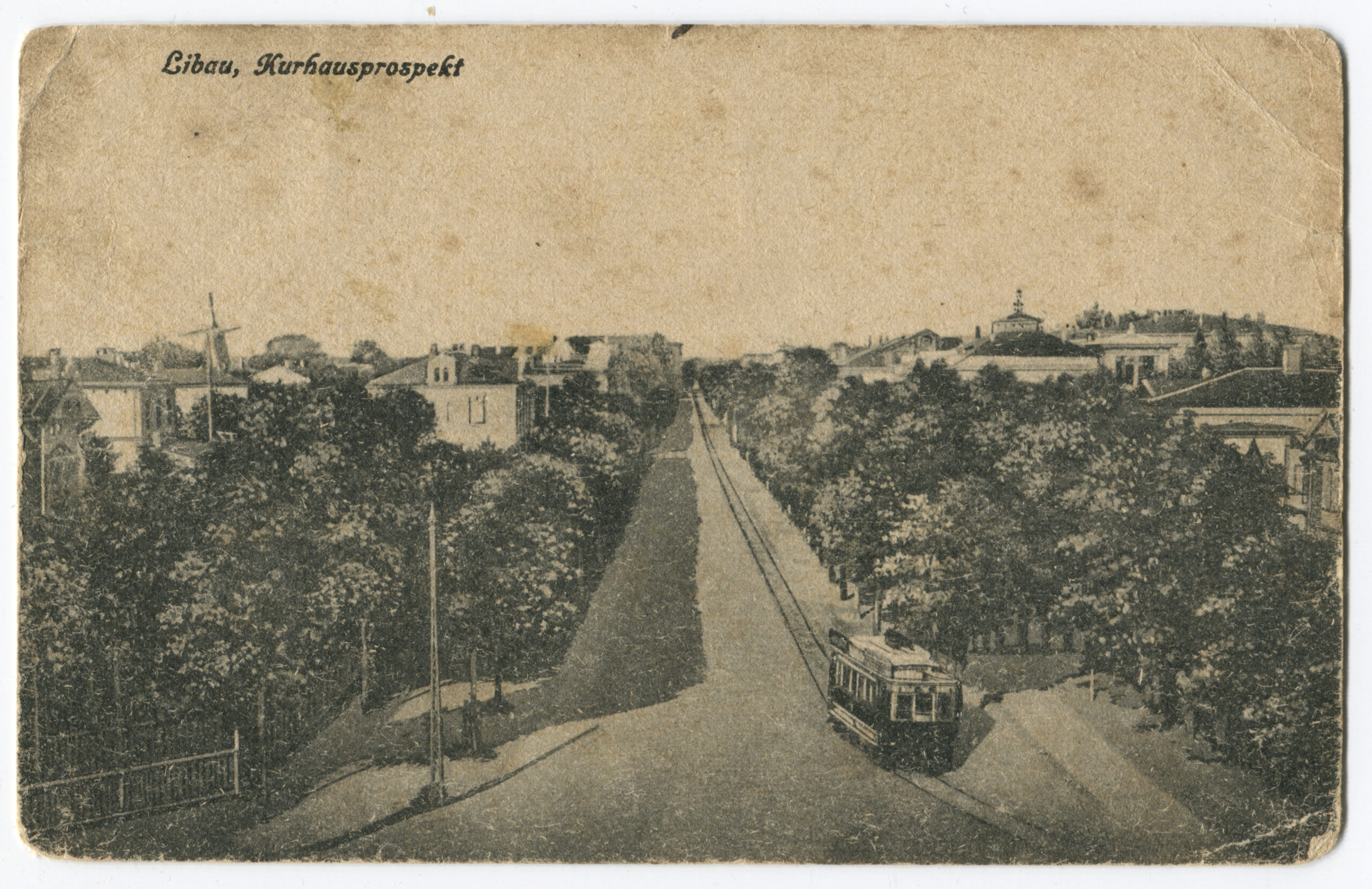
On the 3.02.1919 the Tartu County Partisan Battalion was renamed to the Kuperjanov Partisan Battalion.
Libau, Kurhausprospekt (Liepaja, Läti)
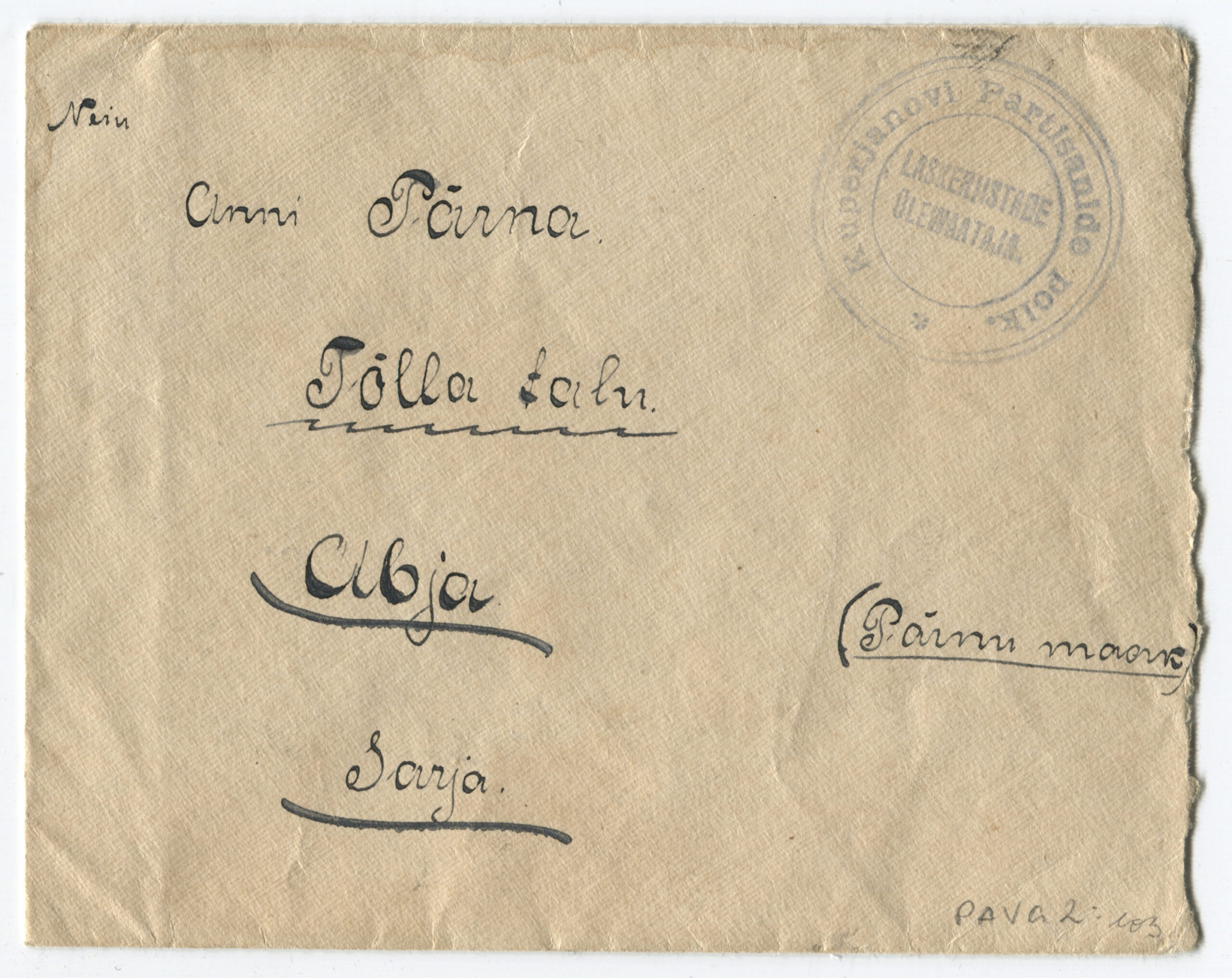
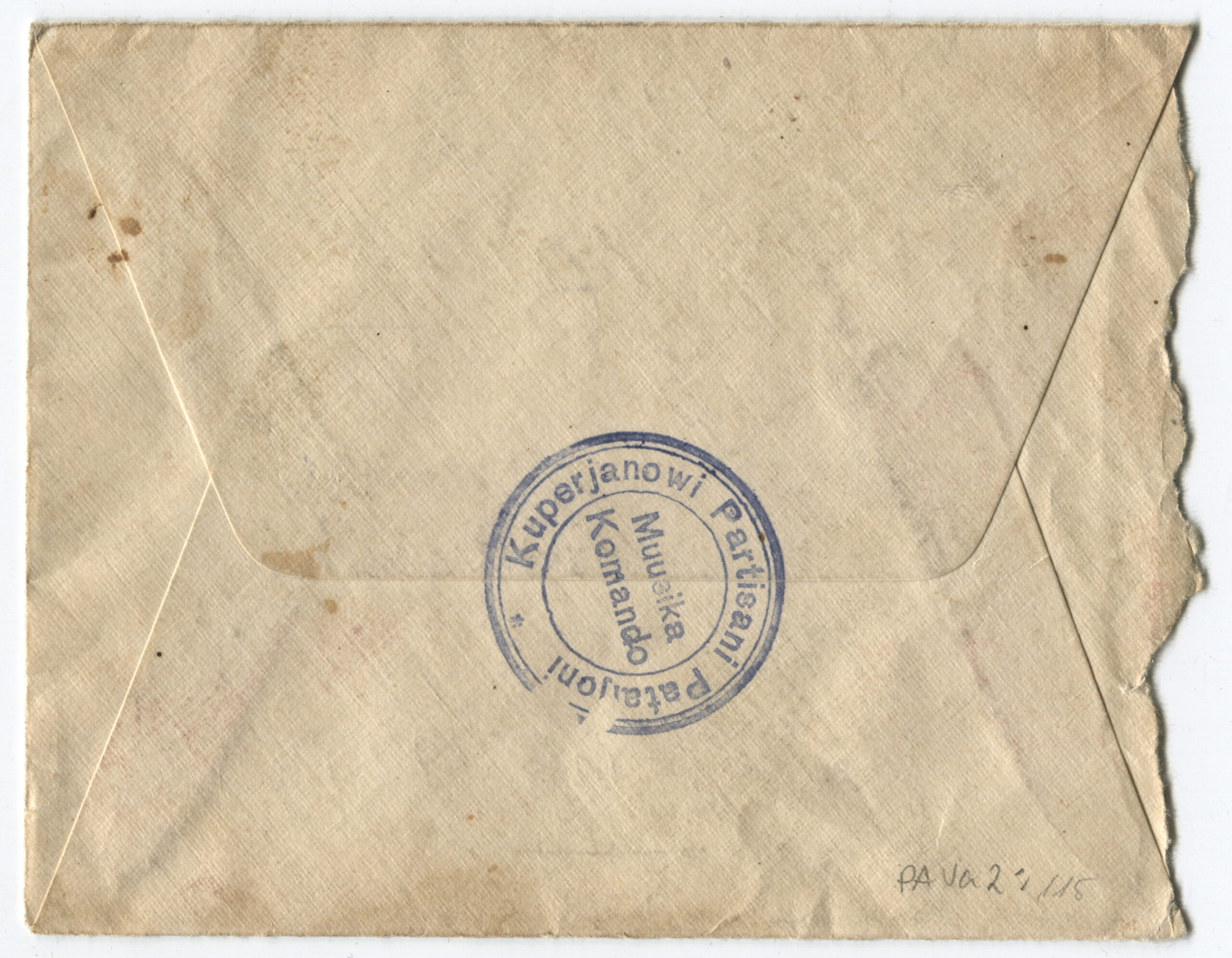
June 1919 – by the order of the Army’s Commander-in-Chief, orchestras were established at the Kuperjanov, Kalevlaste and Sakala Partisan Battalions
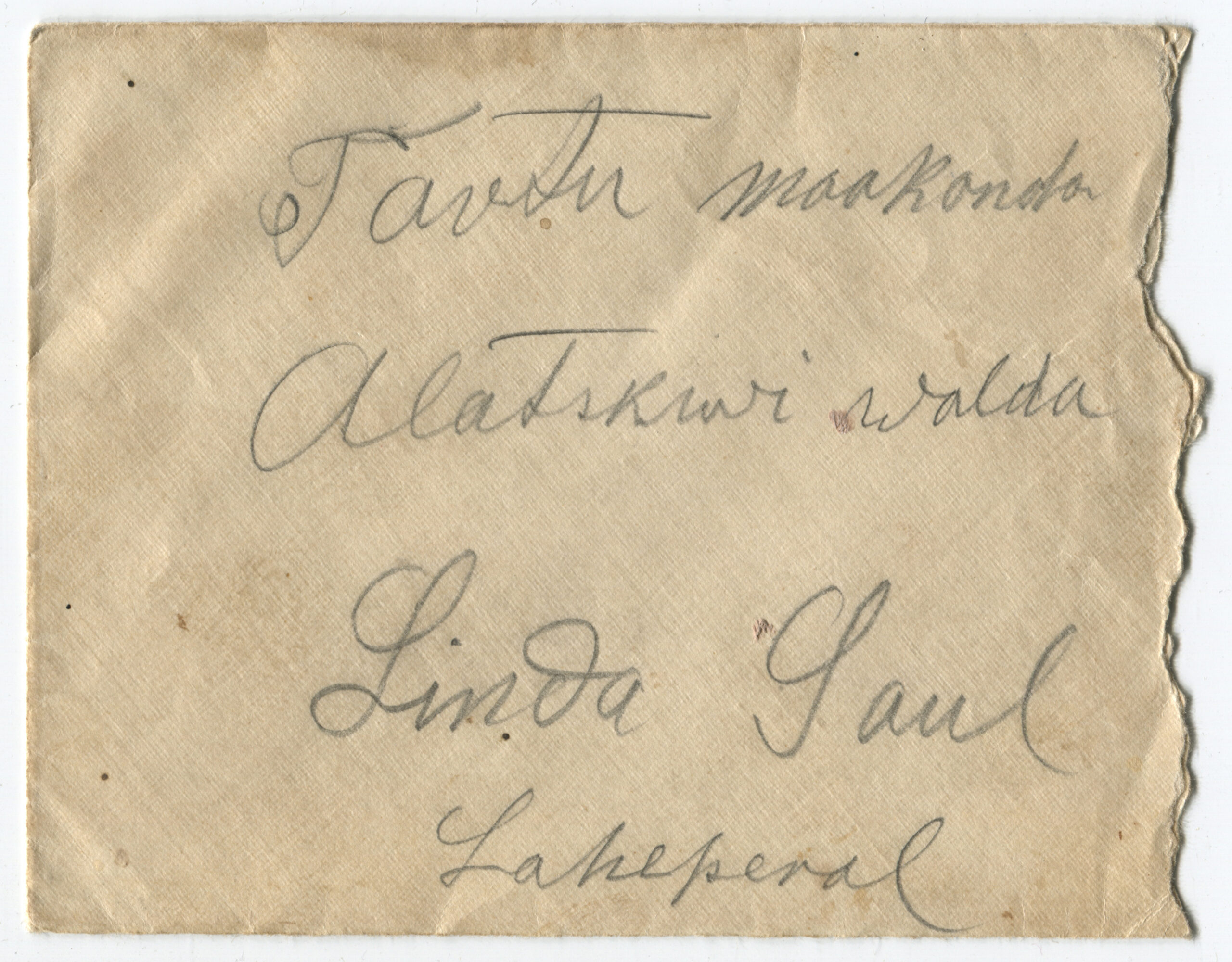
June 1919 – by the order of the Army’s Commander-in-Chief, orchestras were established at the Kuperjanov, Kalevlaste and Sakala Partisan Battalions
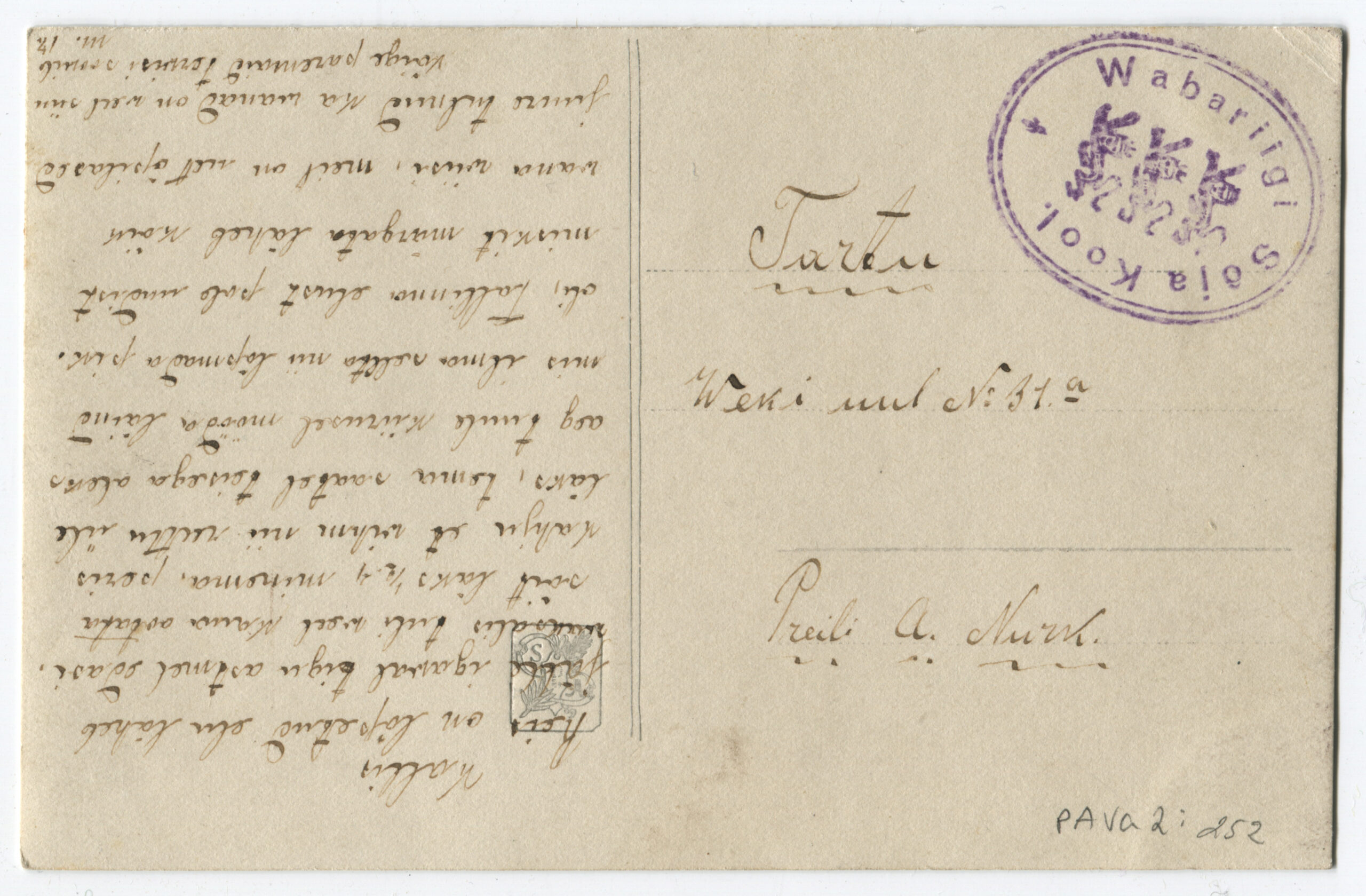
The Republic Military School was founded on the 22.04.1919 in Tallinn, Raudtee tn 6, in the former building of the Railway Technology School.
Maurice Dainville. Autumn mood. 1914
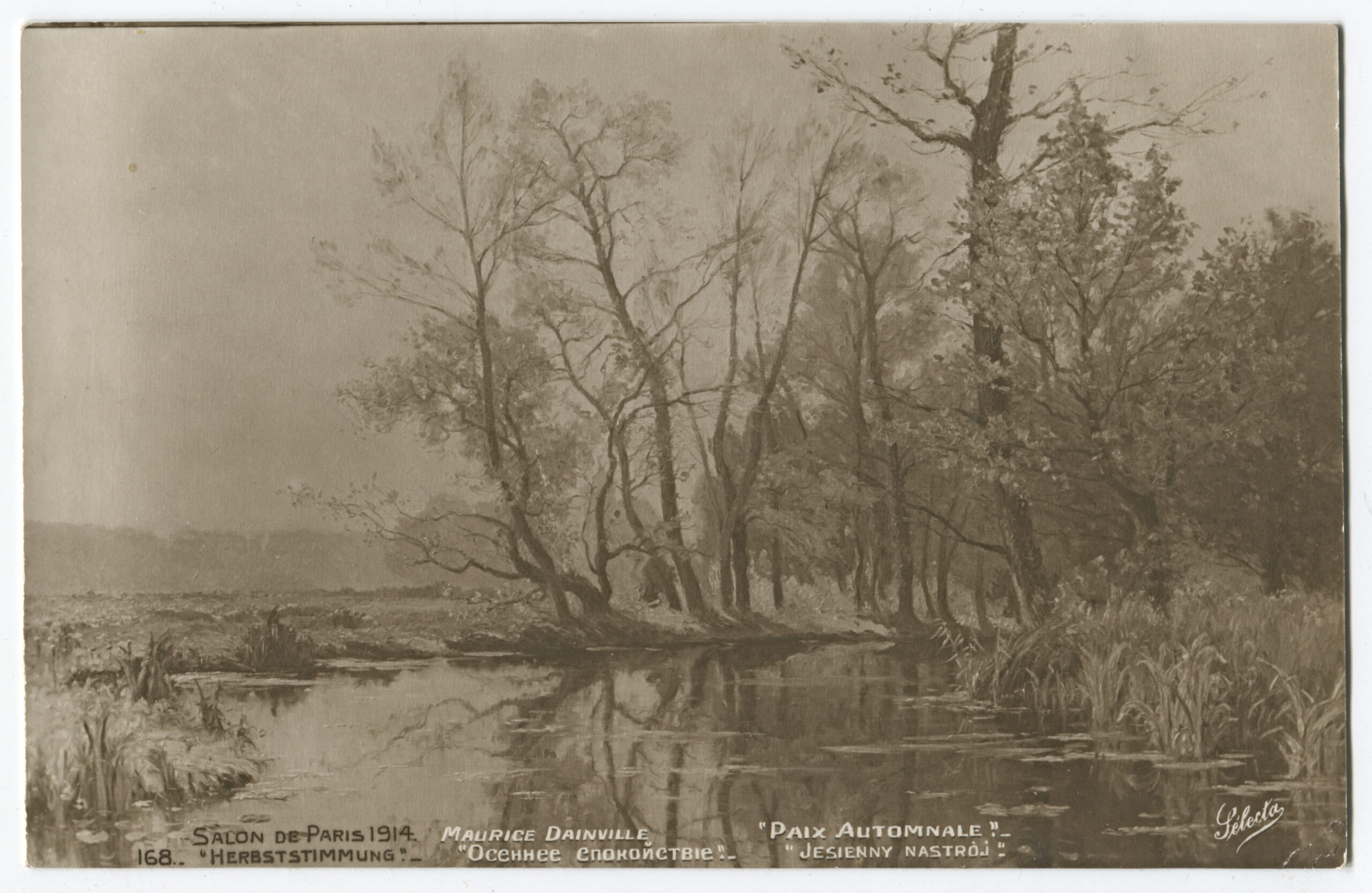
The Republic Military School was founded on the 22.04.1919 in Tallinn, Raudtee tn 6, in the former building of the Railway Technology School.
Maurice Dainville. Autumn mood. 1914
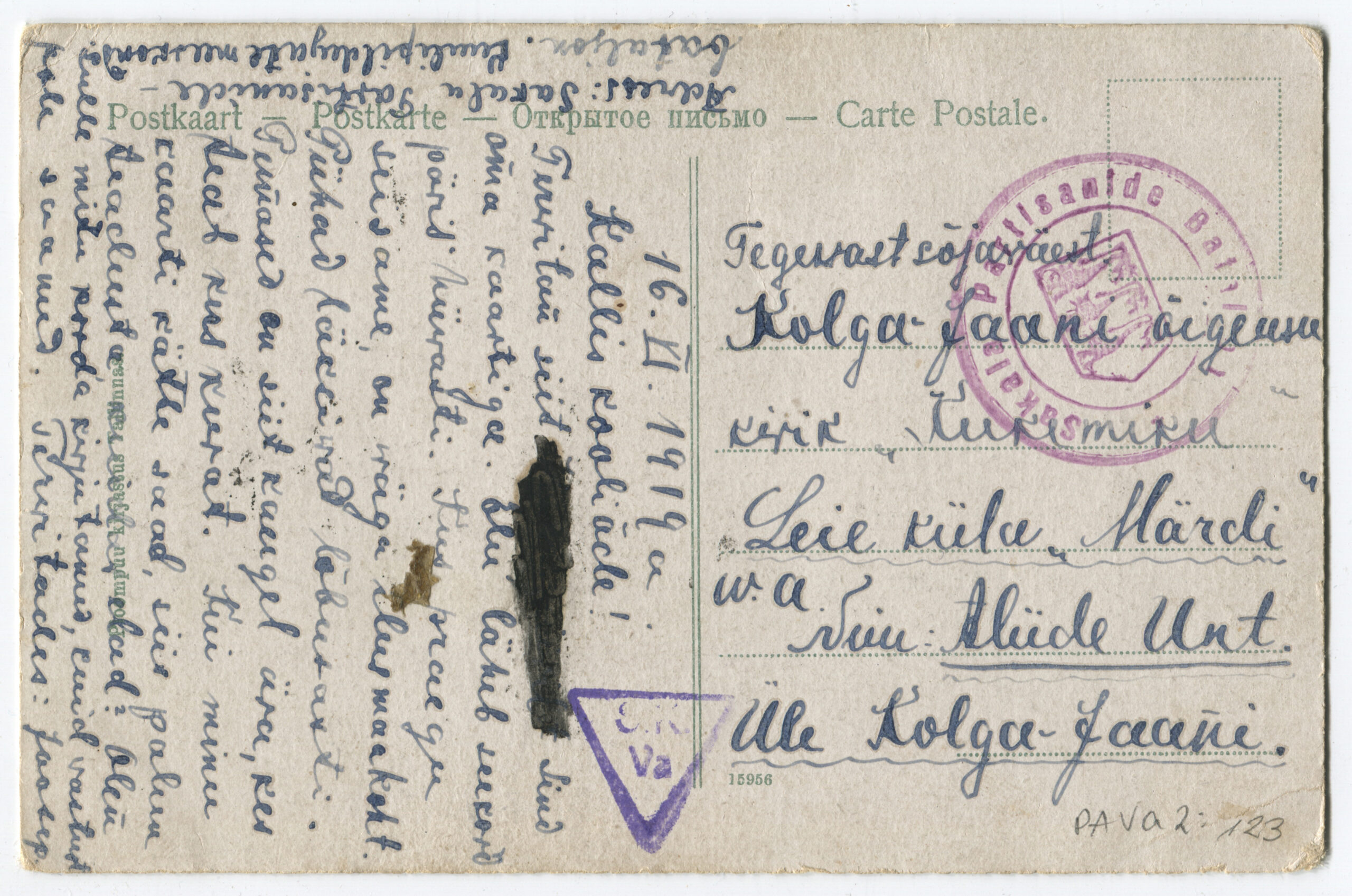
Sakala Partisan Battalion was established by the daily order of Commander-in-Chief Johan Laidoner on the 29.12.1918. The battalion commander was the colonel Viktor Puskar.
Nikerjärv (Aegviidu county, Eesti)
Ploompuu publication, Tallinn
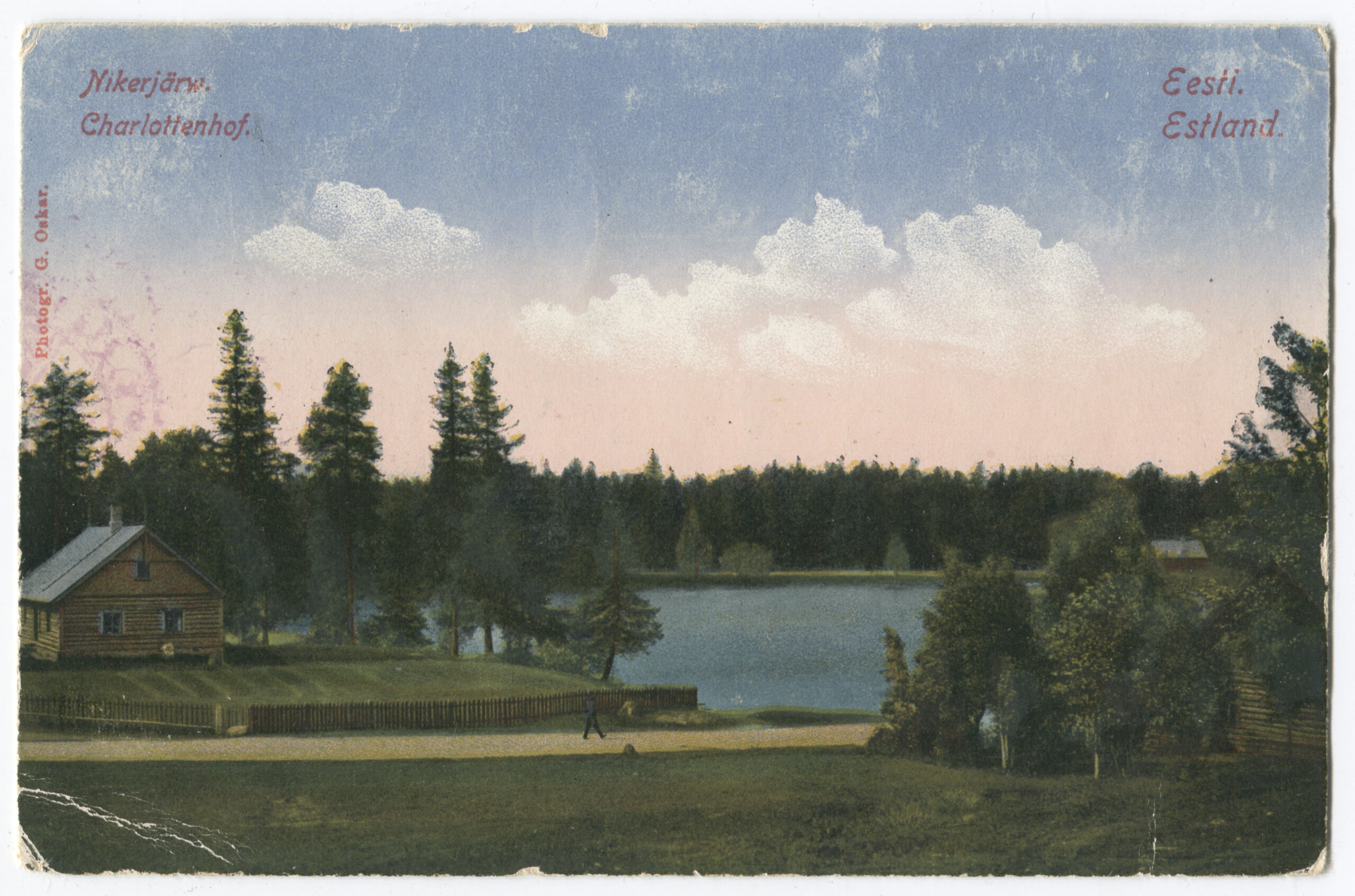
Sakala Partisan Battalion was established by the daily order of Commander-in-Chief Johan Laidoner on the 29.12.1918. The battalion commander was the colonel Viktor Puskar.
Nikerjärv (Aegviidu county, Eesti)
Ploompuu publication, Tallinn
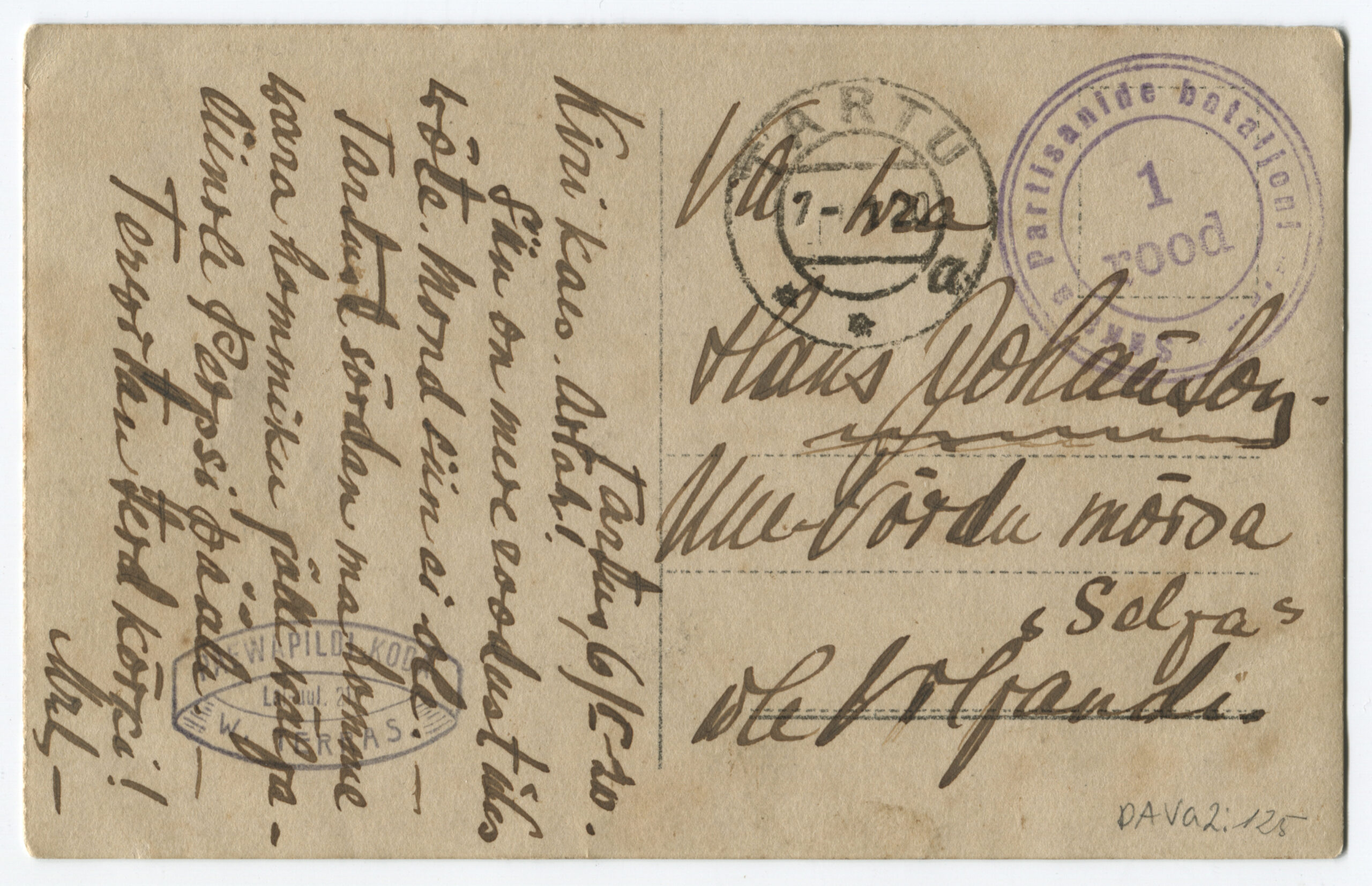
The 1. Company of Sakala Partisan Battalion on Piirissaare. The commander of the company was the ensign Jaan Vastisson.
On the 13.11.1919 at 2 pm, the company arrived at Piirissaare.
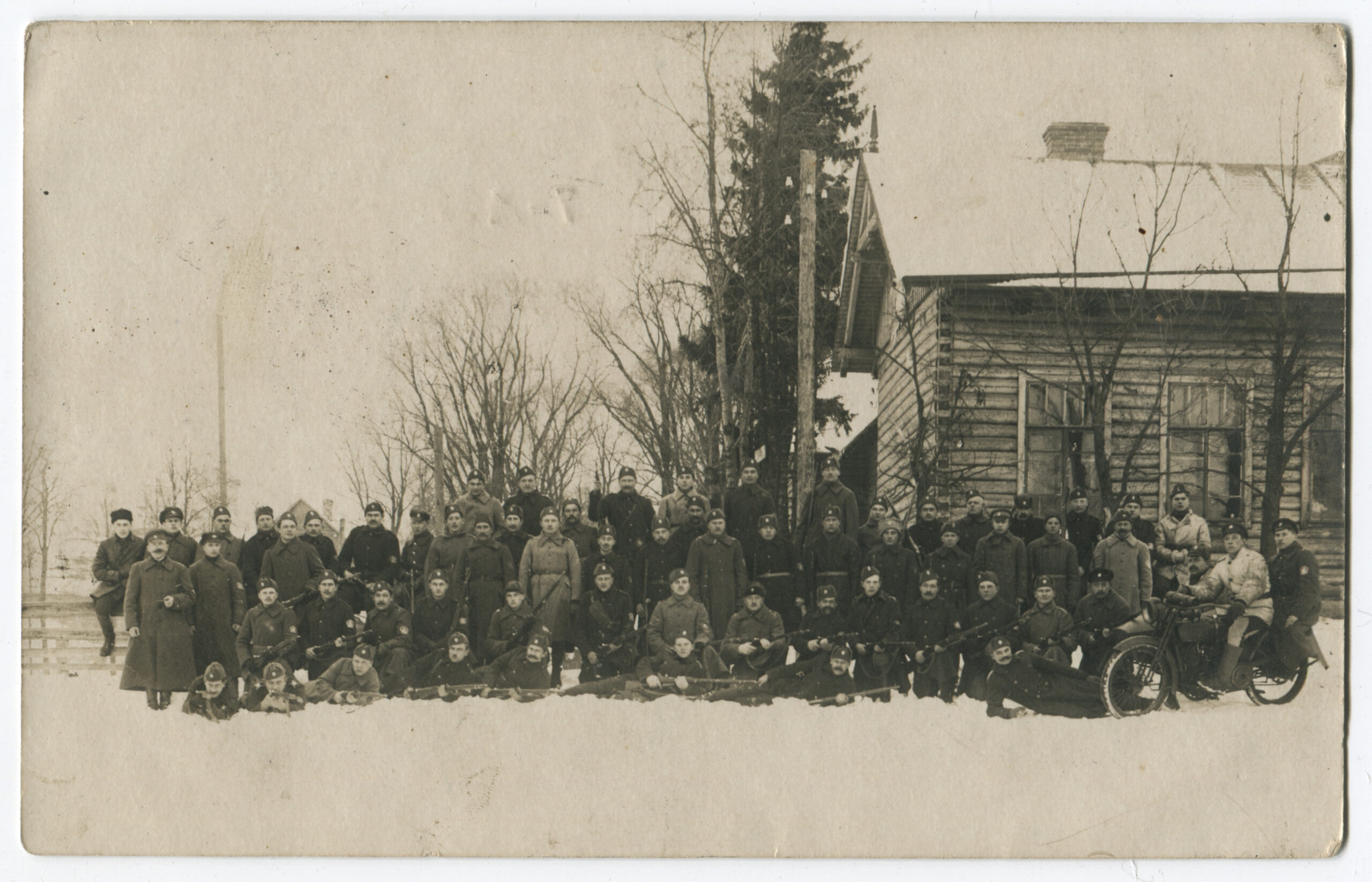
The 1. Company of Sakala Partisan Battalion on Piirissaare. The commander of the company was the ensign Jaan Vastisson.
On the 13.11.1919 at 2 pm, the company arrived at Piirissaare.
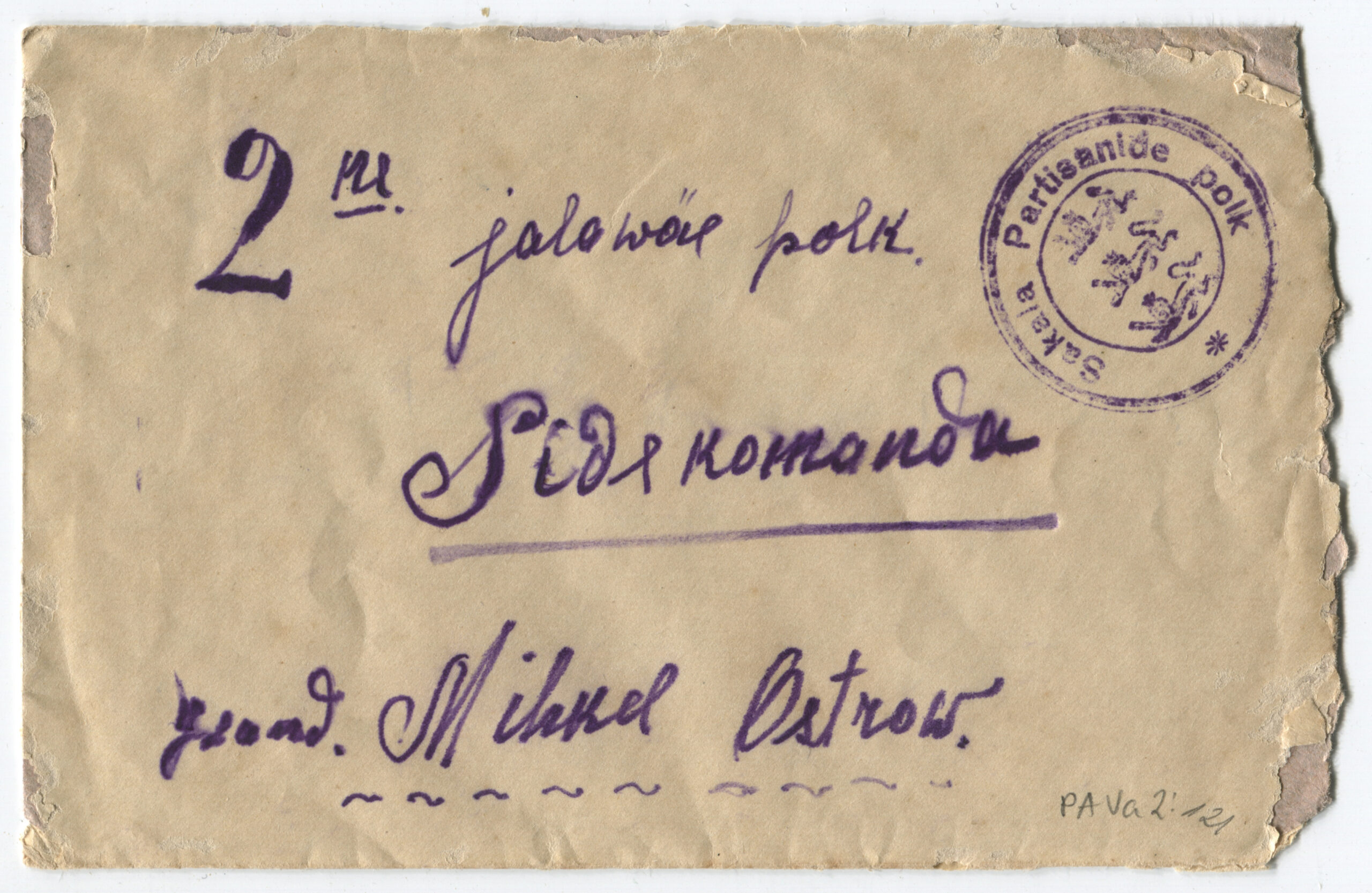
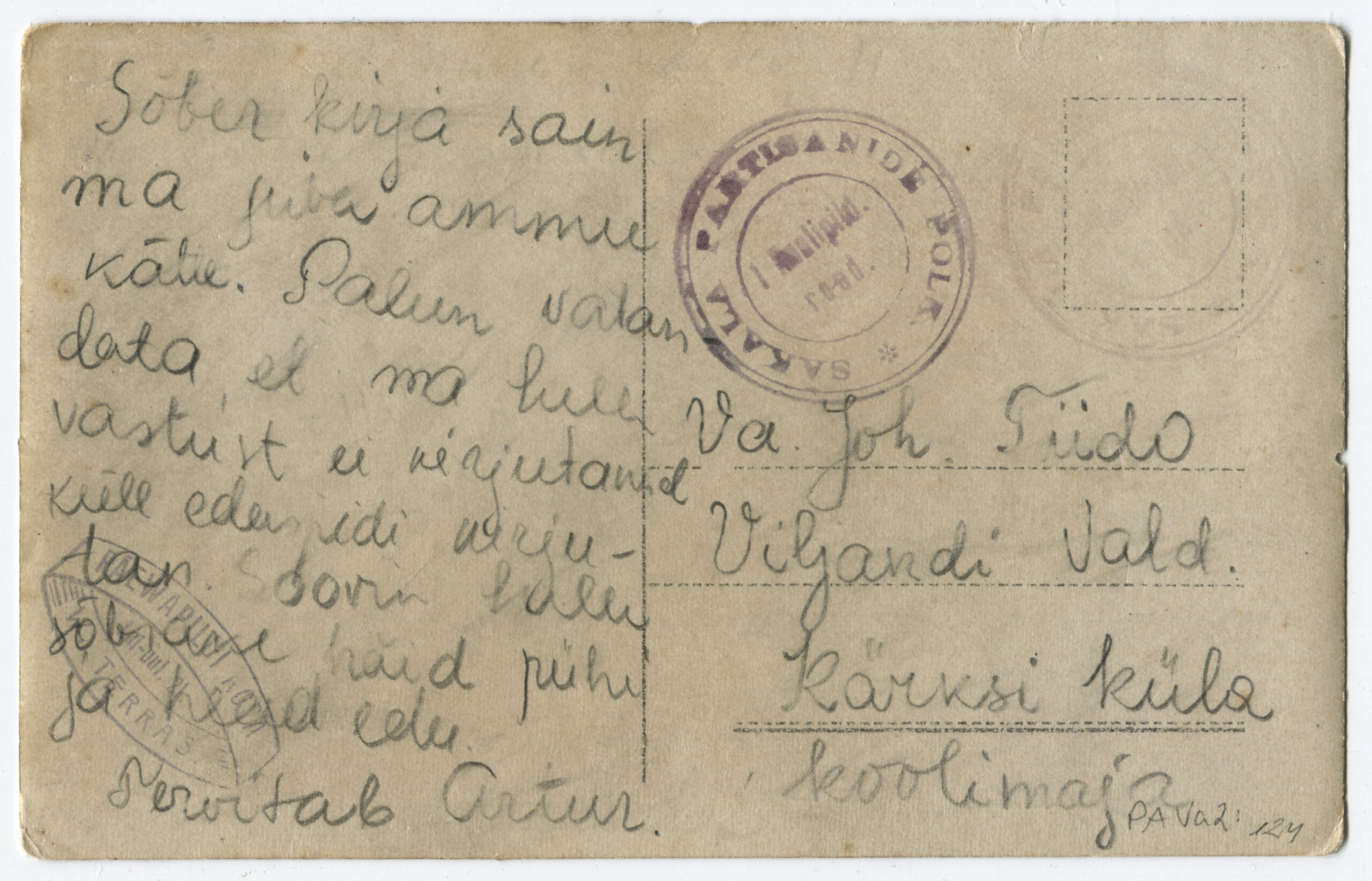
On the 1.01.1920, the Sakala Partisan Battalion was renamed to the Sakala Partisan Brigade.
On the stairs of Raadi manor
Photo: W. Terras, Päevapildi Koda, Tartu, Lai 21
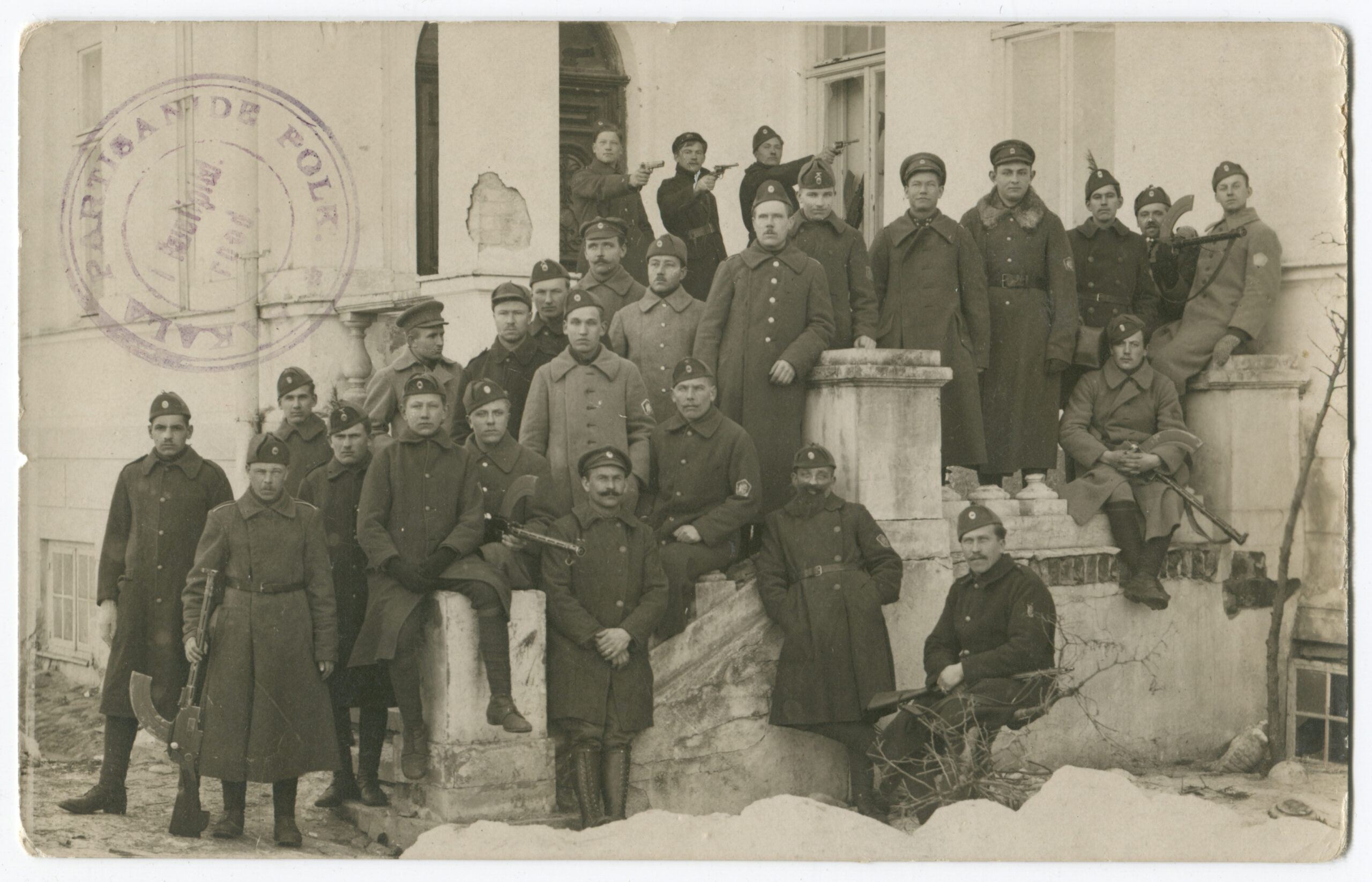
On the stairs of Raadi manor
Photo: W. Terras, Päevapildi Koda, Tartu, Lai 21
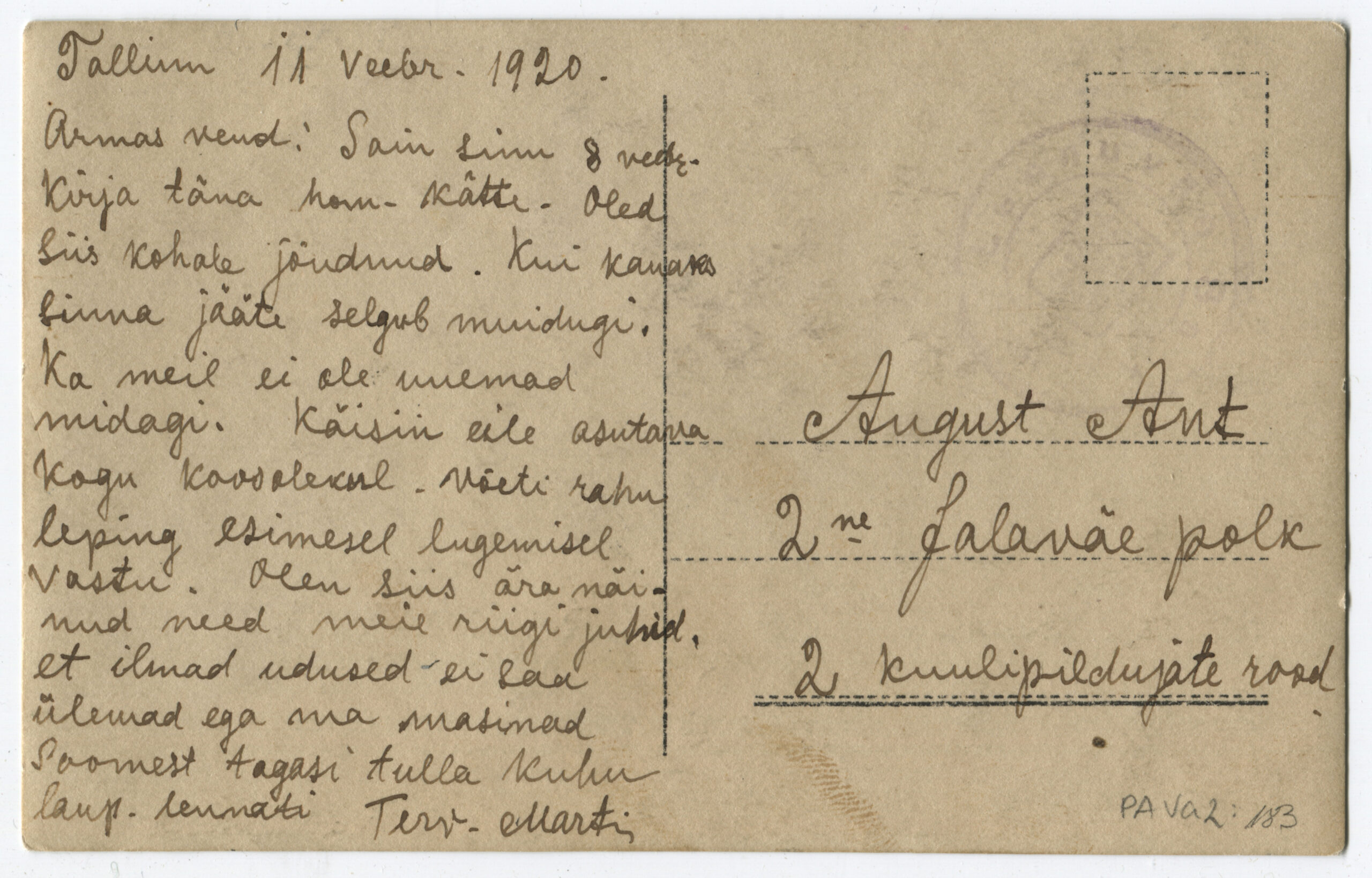
On November 21, 1918, the first Estonian air force unit – the Air Force Brigade – was formed as a member of the Engineering Battalion, led by lieutenant A. Roose. This day can be considered the birth of the Estonian Air Force.
On December 15, it became the Air Brigade.
On March 1, a regiment was formed from the Air Brigade, which was commanded by captain Jüri Ots. It consisted of five pilots, two flight observers and two motorists. According to the papers, there were four planes, only one airworthy – the Farman F-30.
Foto: Russalka Memorial, Tallinn
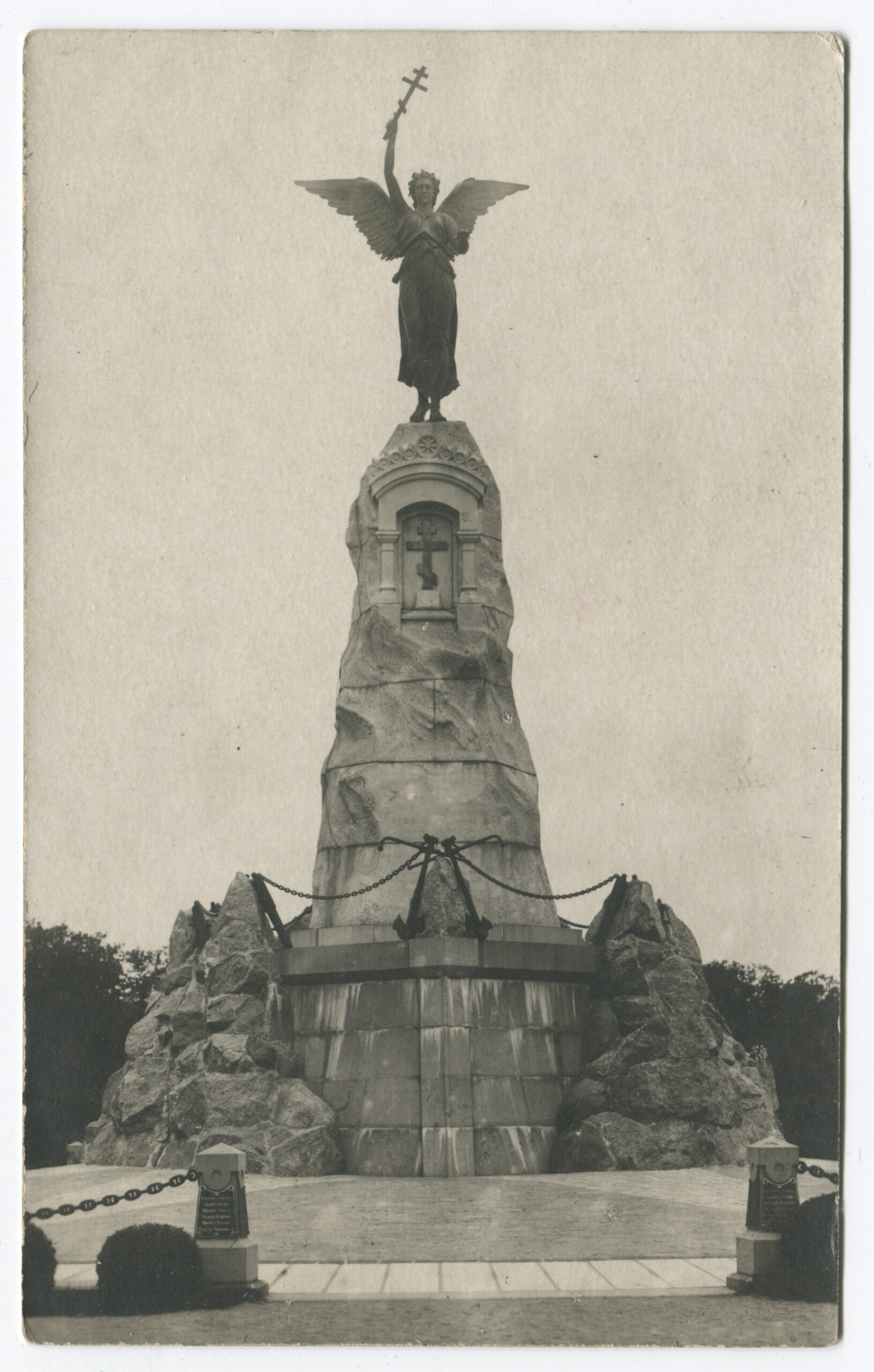
On November 21, 1918, the first Estonian air force unit – the Air Force Brigade – was formed as a member of the Engineering Battalion, led by lieutenant A. Roose. This day can be considered the birth of the Estonian Air Force.
On December 15, it became the Air Brigade.
On March 1, a regiment was formed from the Air Brigade, which was commanded by captain Jüri Ots. It consisted of five pilots, two flight observers and two motorists. According to the papers, there were four planes, only one airworthy – the Farman F-30.
Foto: Russalka Memorial, Tallinn
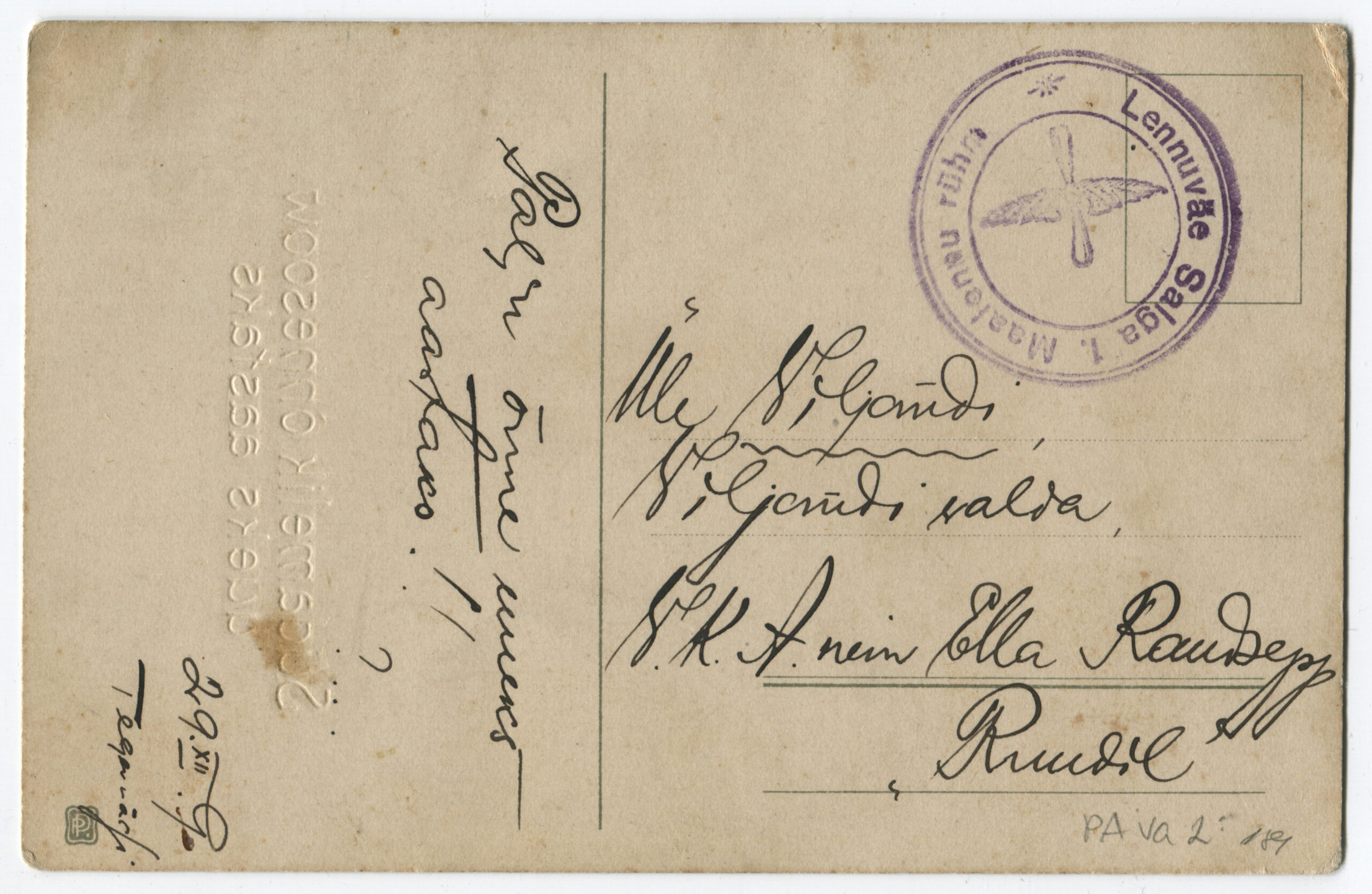
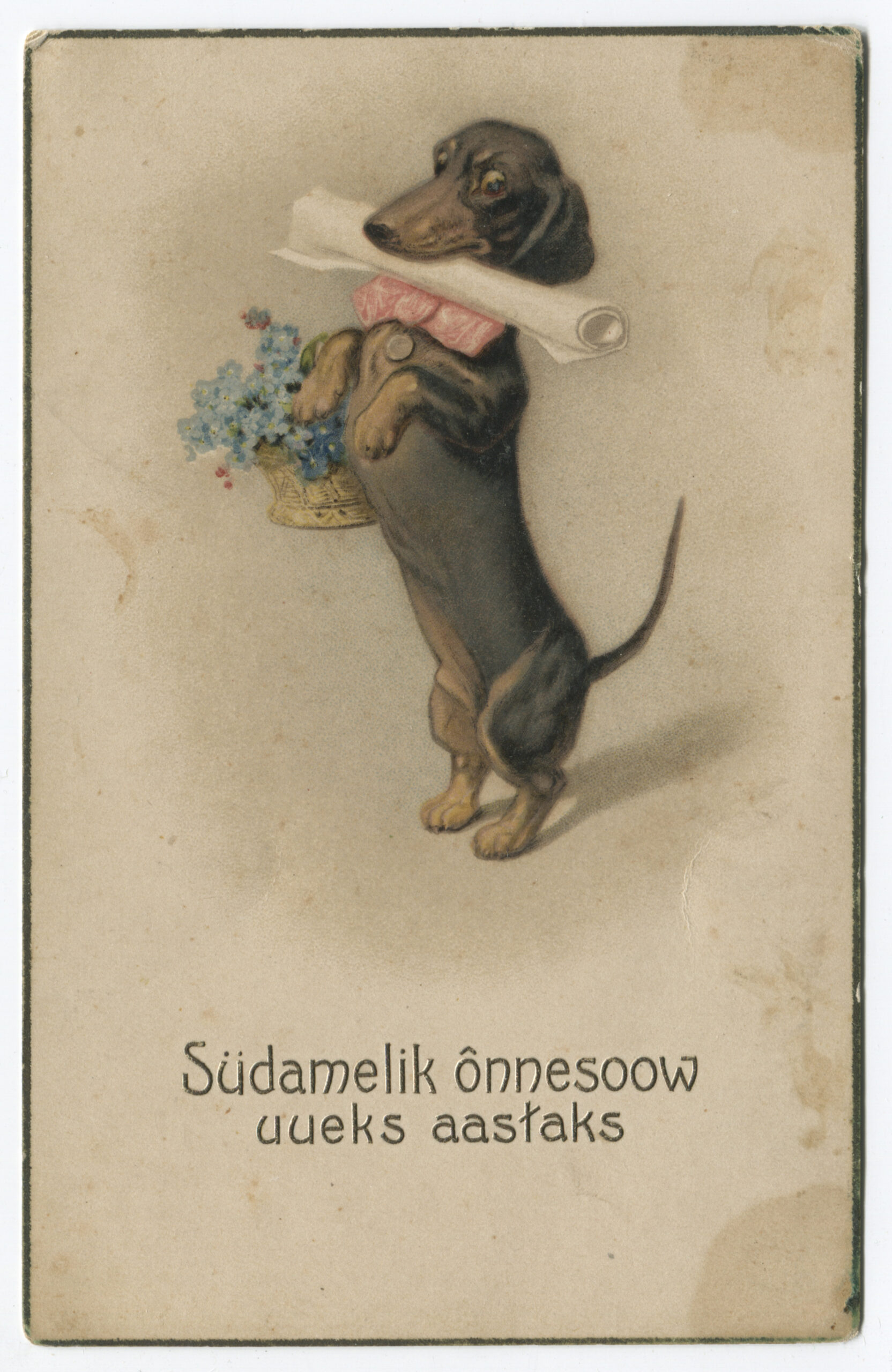
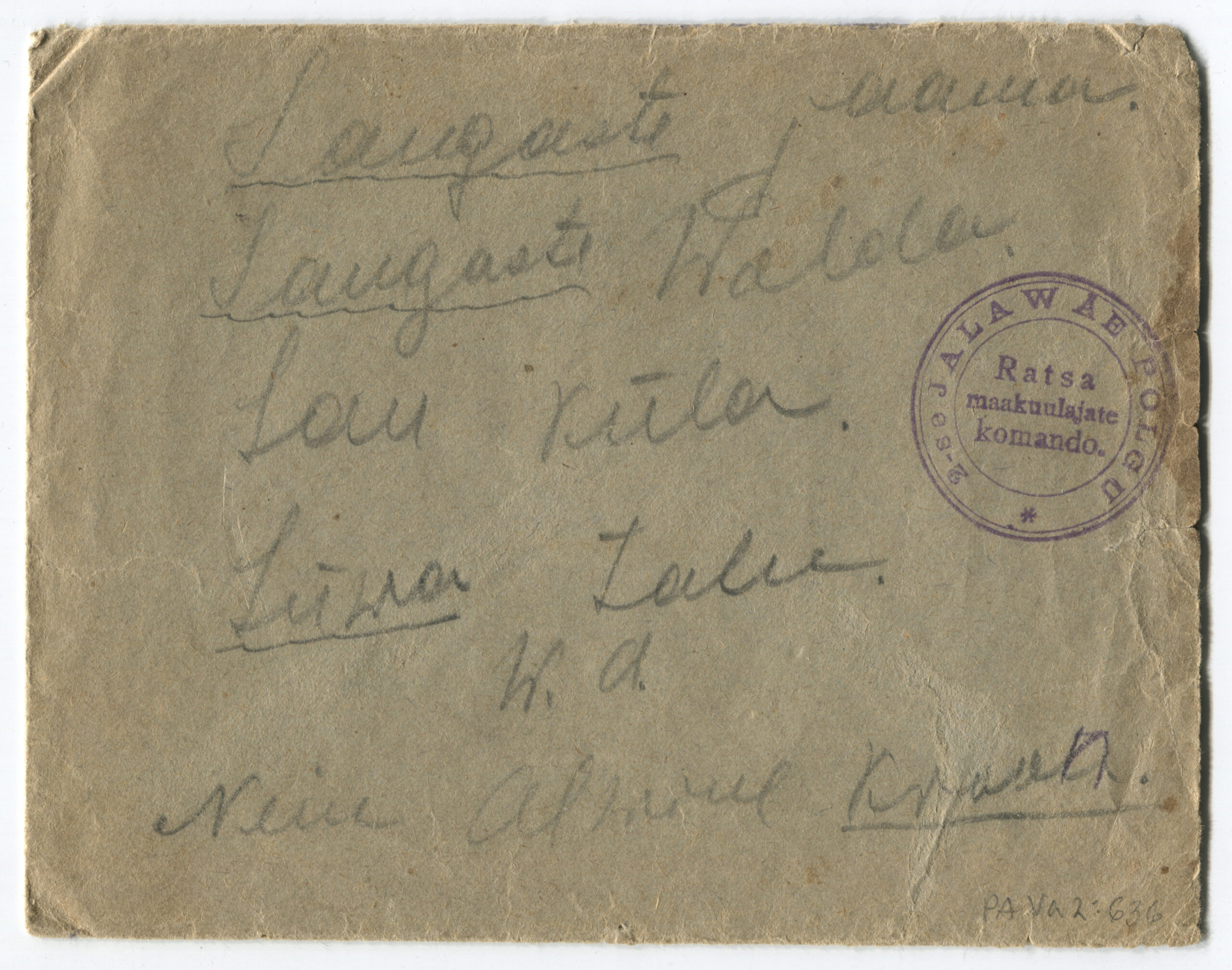
2. The Infantry Brigade was founded on the 21.11.1918 in Tartu by volunteer students.
Lieutenant Juhan Järver started forming the brigade on the 22.11.1918 in Viljandi, captain Jaan Maide was the commander of the brigade. From the 18.12.1918, colonel Johan Hunt (Tartu) became the commander of the brigade.
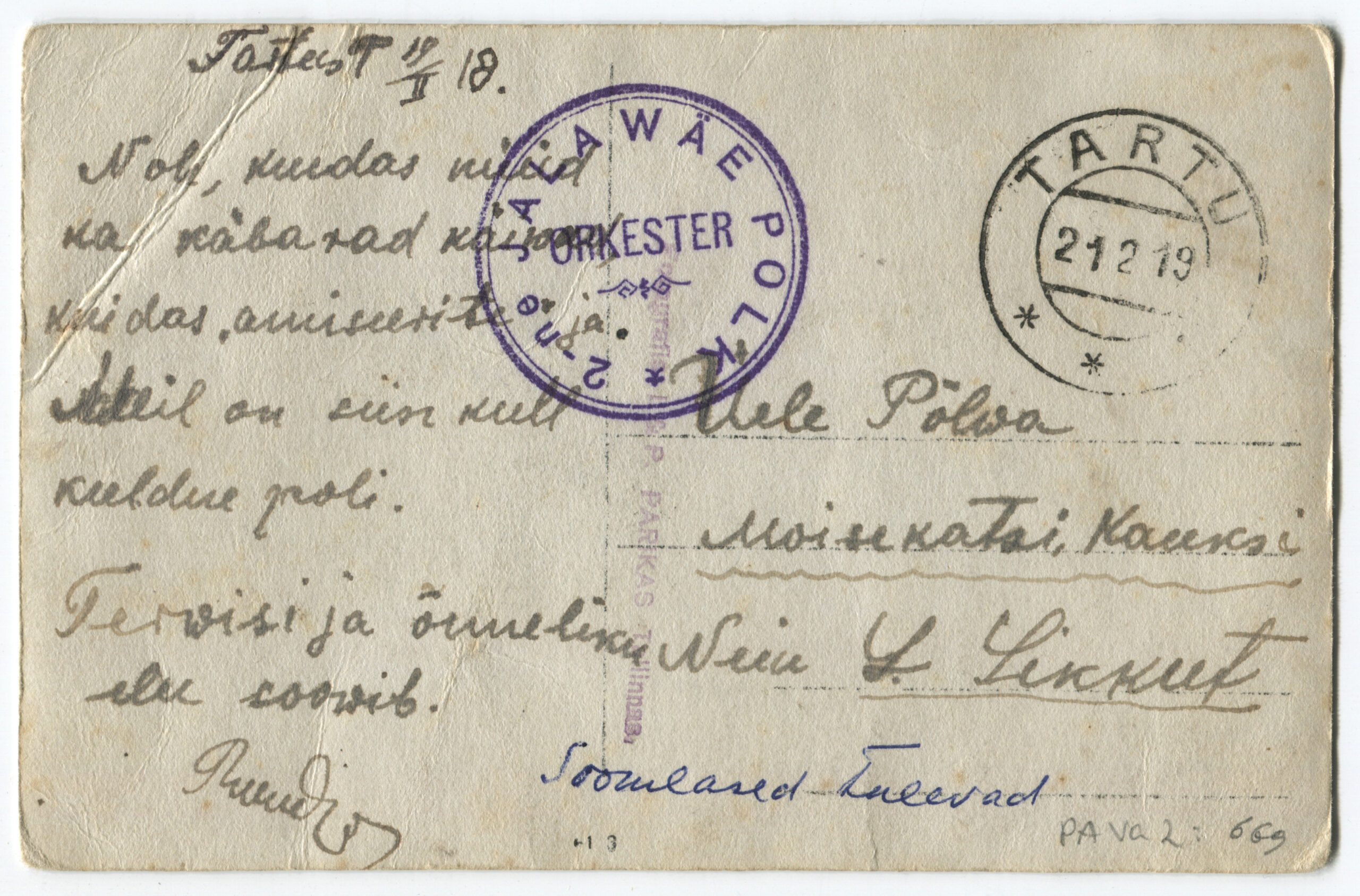
Photo: On the 10.01.1919 major general Martin Wetzer arrived to Tallinn harbour.
Martin Wetzer was the Finnish soldier, for a short time he took part in the Estonian War of Independence and was the interim commander of the Southern Front from January 25, 1919 to the beginning of March.
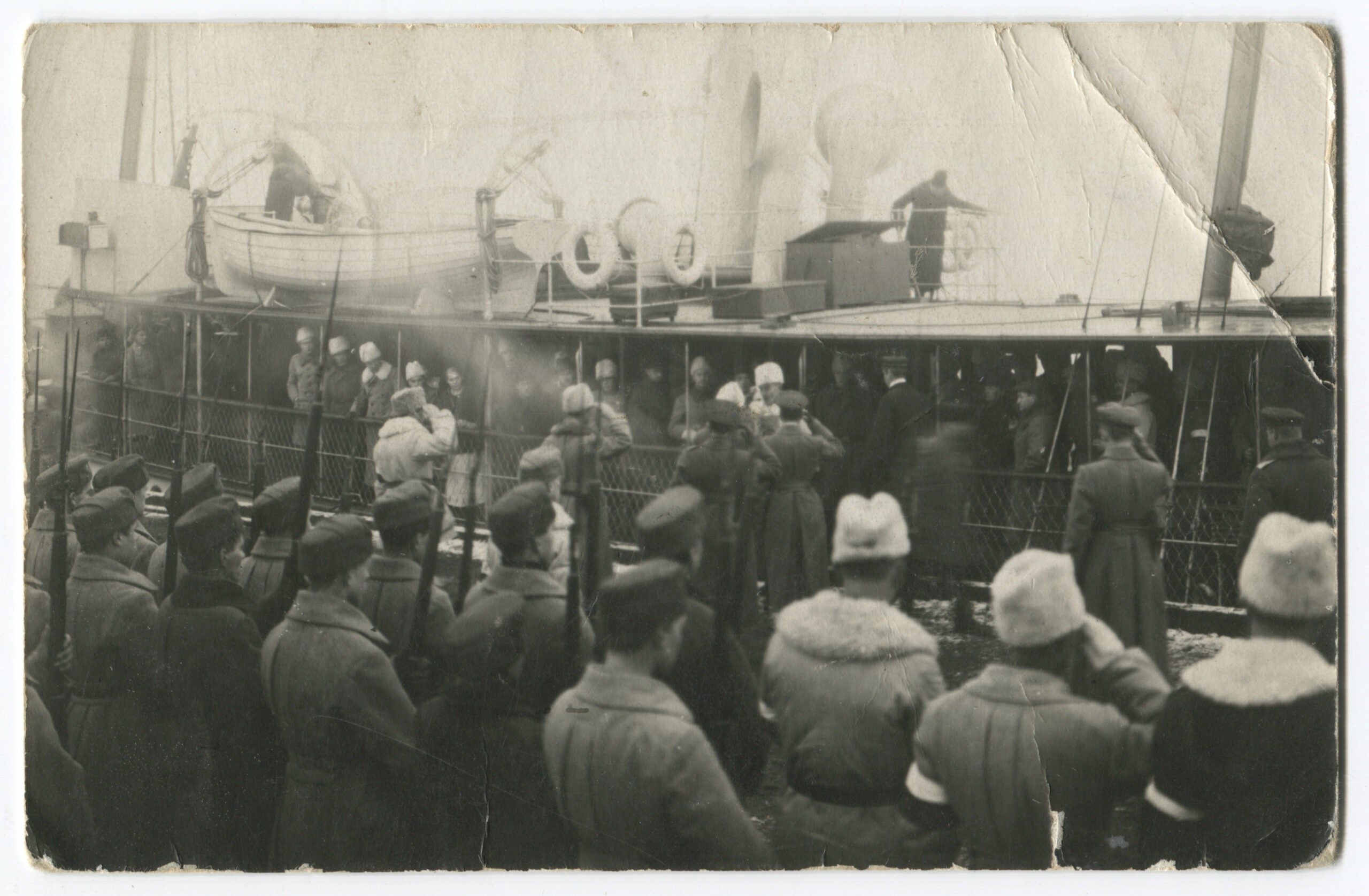
Photo: On the 10.01.1919 major general Martin Wetzer arrived to Tallinn harbour.
Martin Wetzer was the Finnish soldier, for a short time he took part in the Estonian War of Independence and was the interim commander of the Southern Front from January 25, 1919 to the beginning of March.
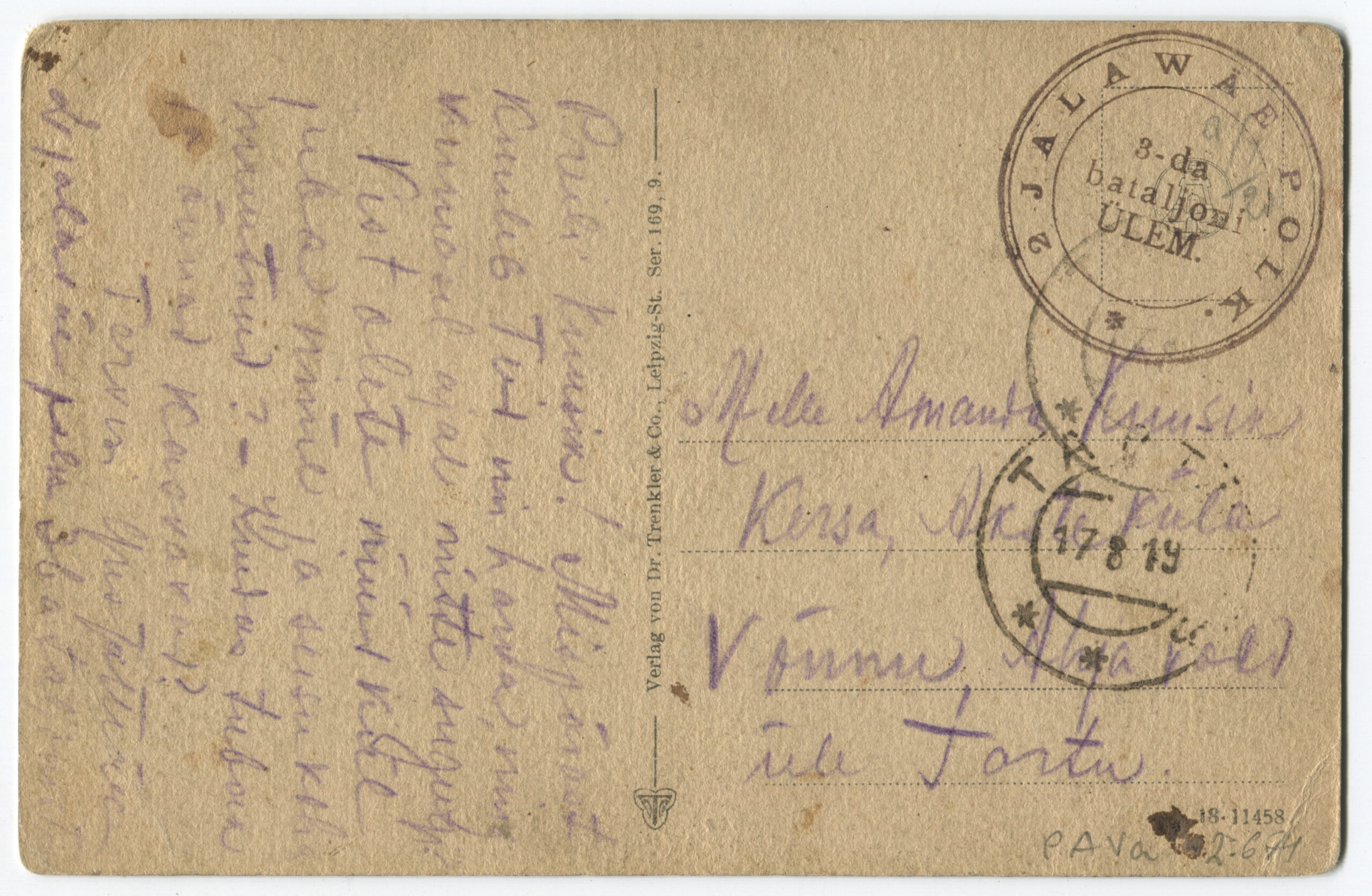
2. Infantry Brigade’s 3. Battalion was made in Paide. The battalion commander was the sub-lieutenant Jaan Maide.
View from Emajõgi to the cargo yard, Dorpat (Tartu)
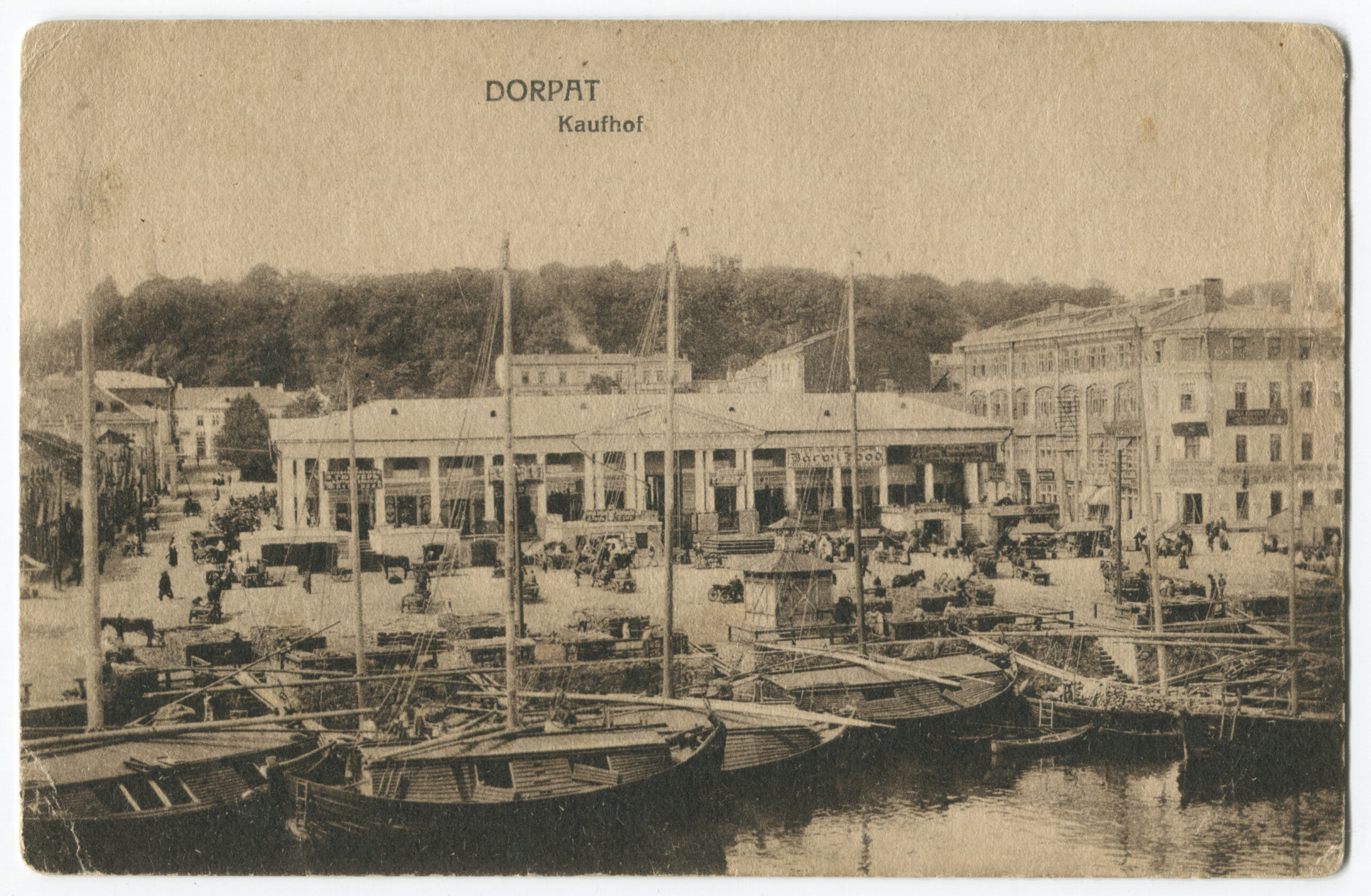
2. Infantry Brigade’s 3. Battalion was made in Paide. The battalion commander was the sub-lieutenant Jaan Maide.
View from Emajõgi to the cargo yard, Dorpat (Tartu)
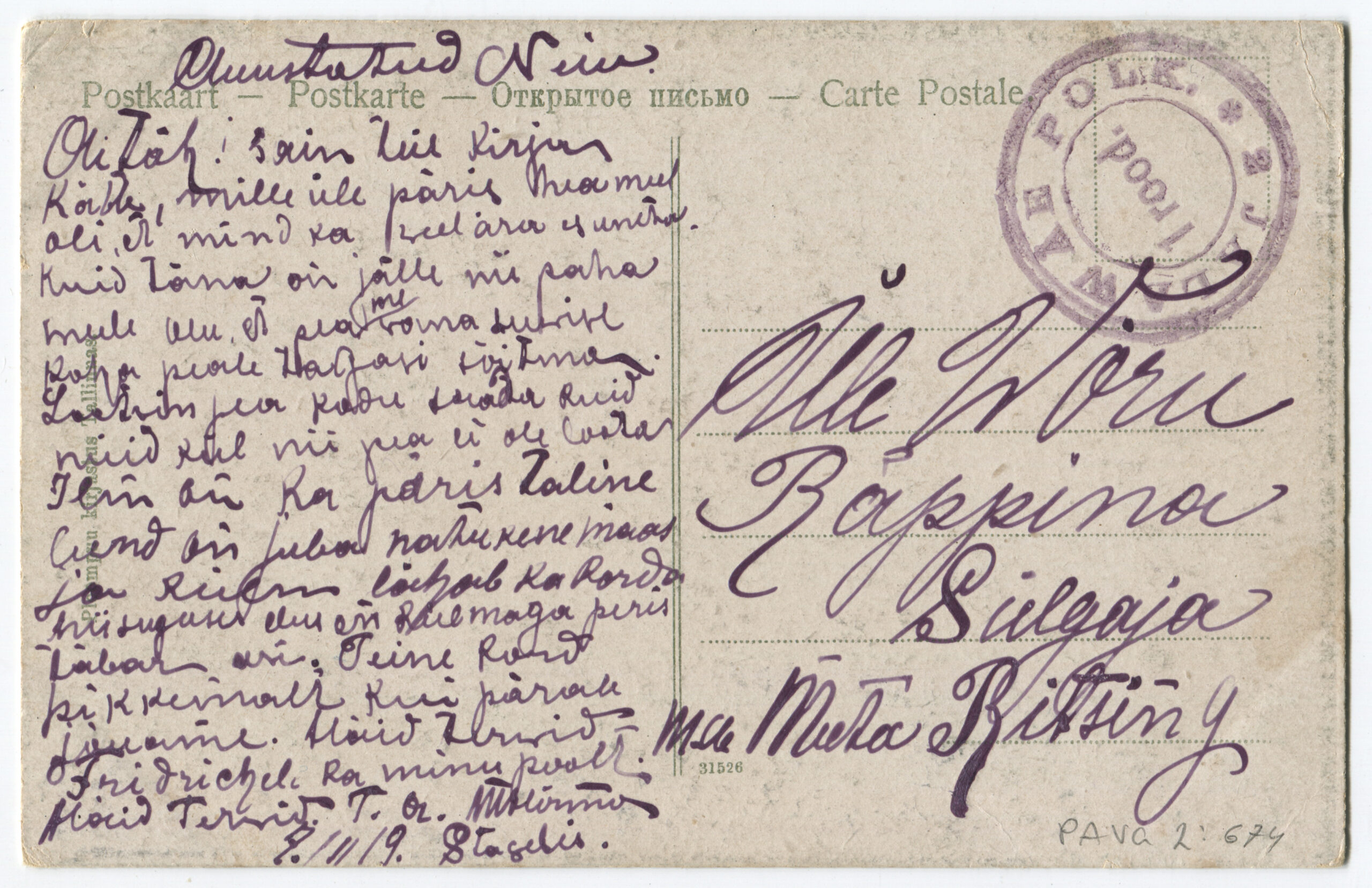
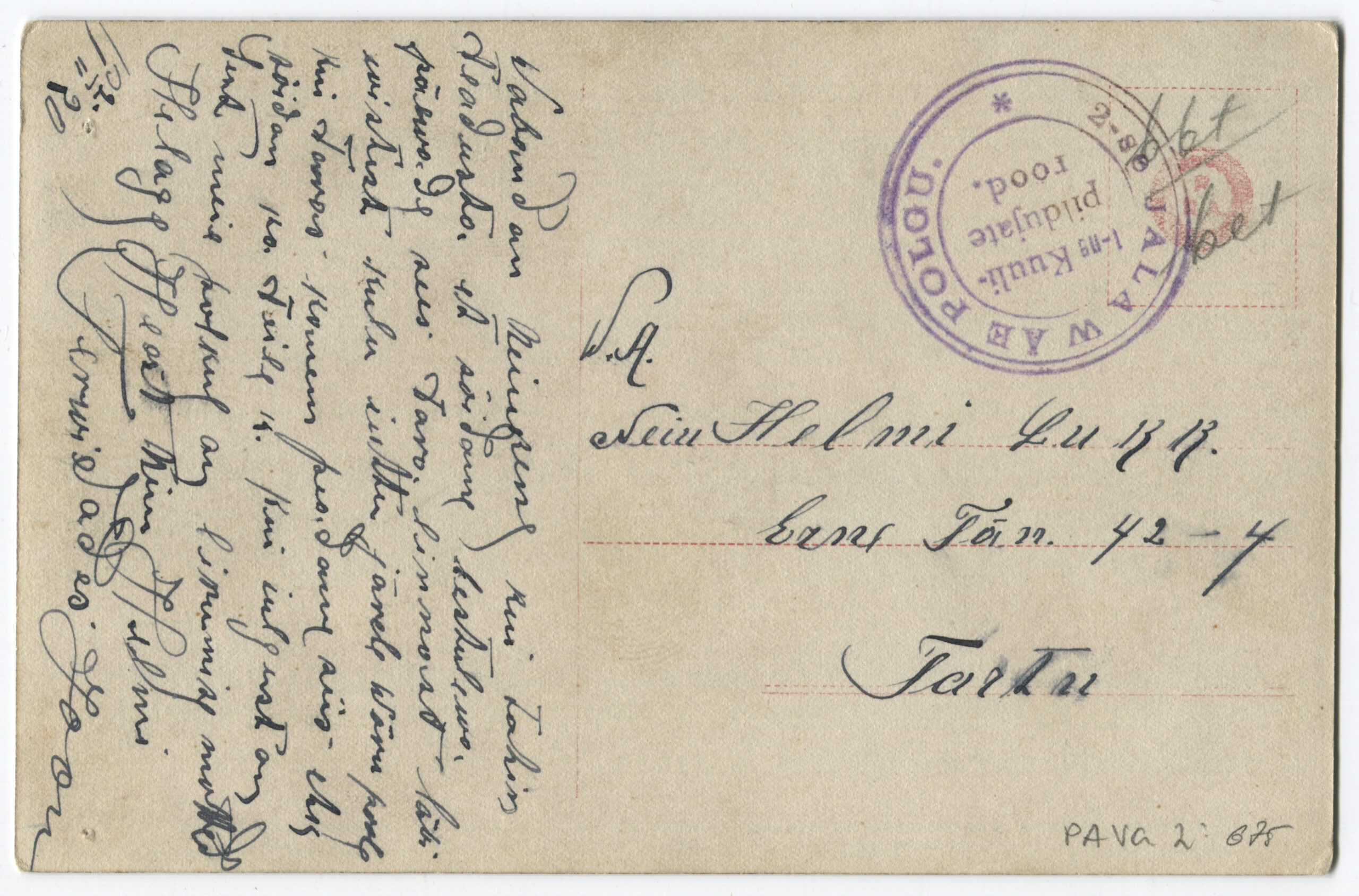
1. Company’s commander was lieutenant Elmar Kiima.
Kallaste, Estonia
Ploompuu publication, Tallinn
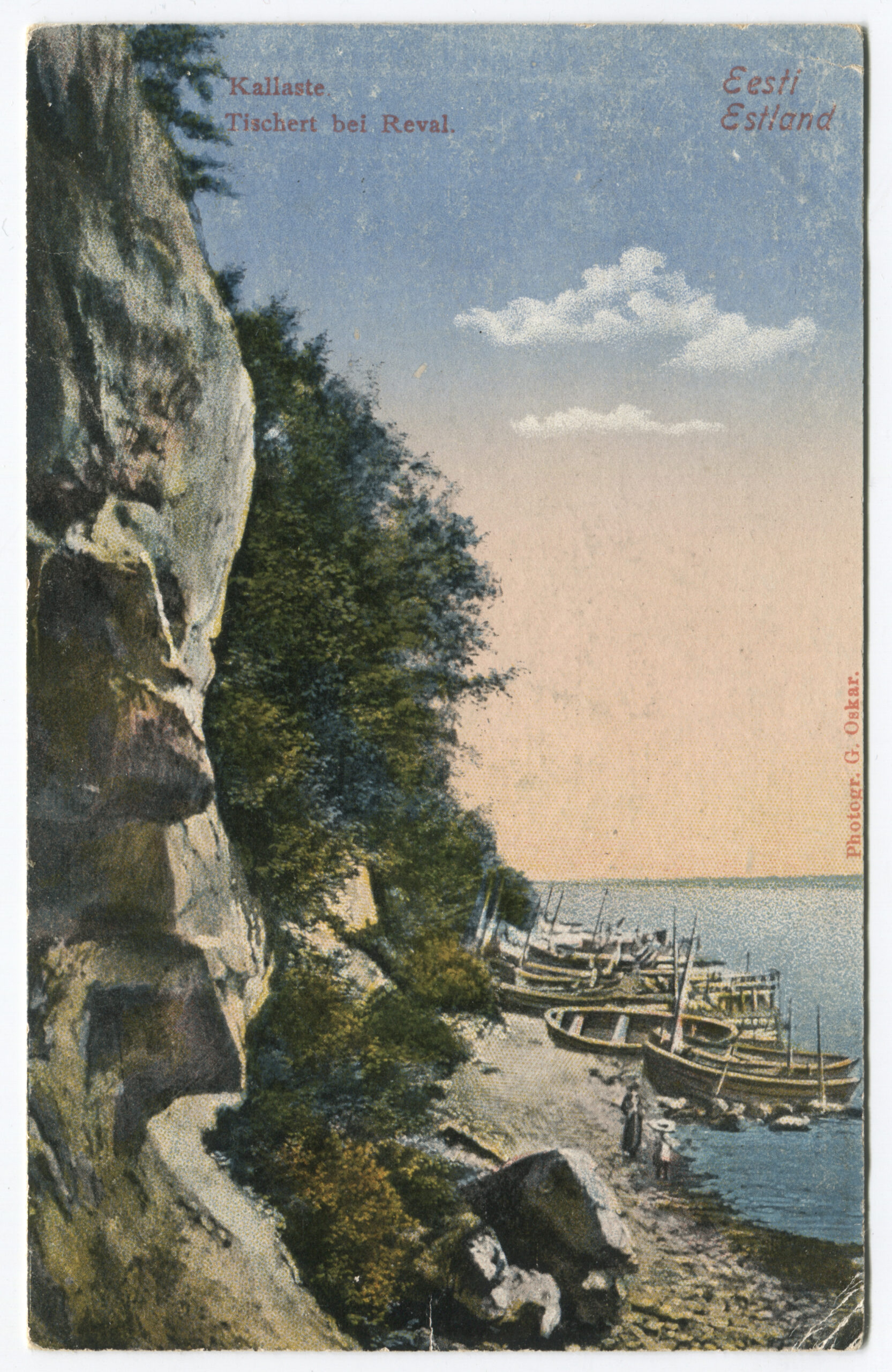
1. Company’s commander was lieutenant Elmar Kiima.
Kallaste, Estonia
Ploompuu publication, Tallinn
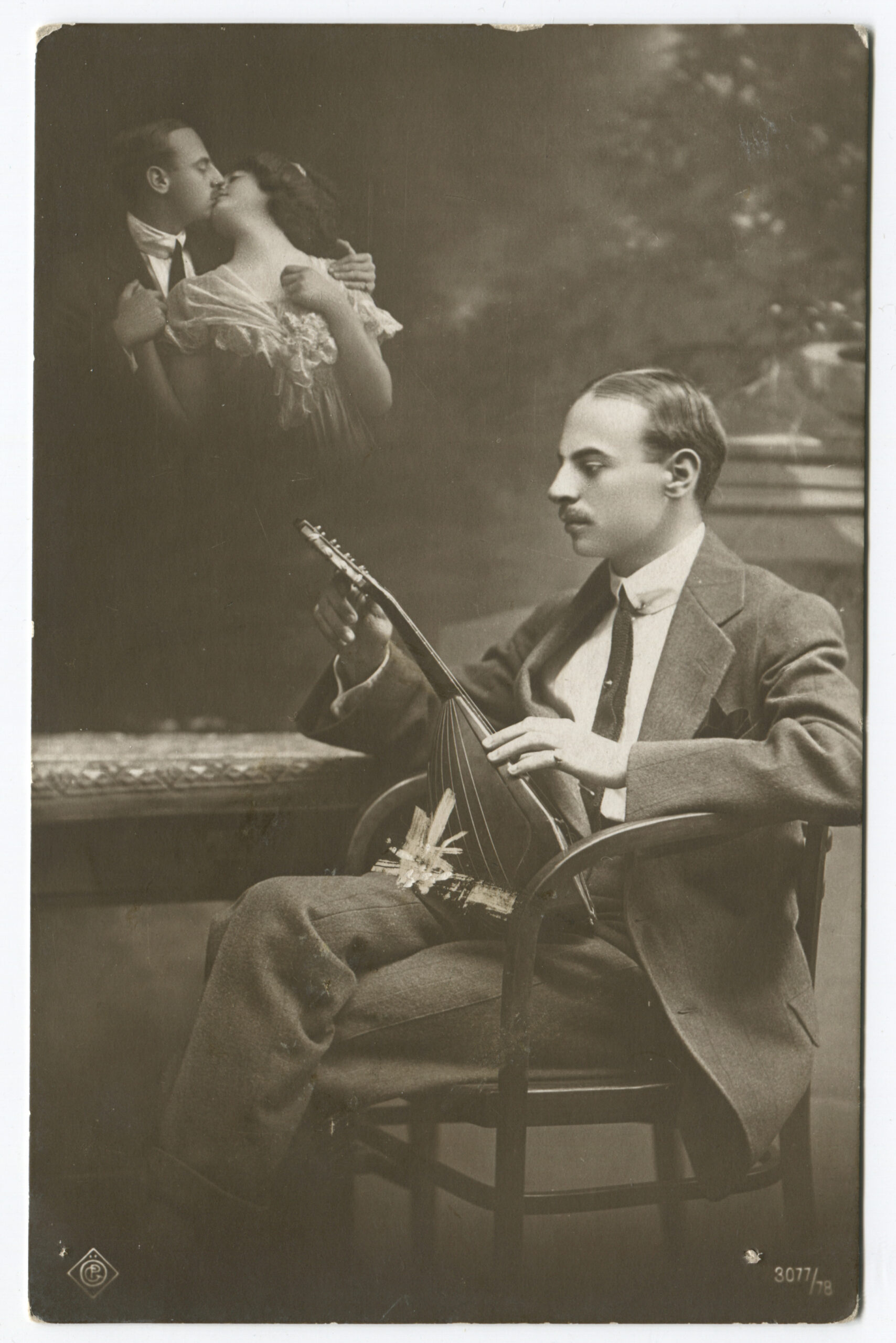
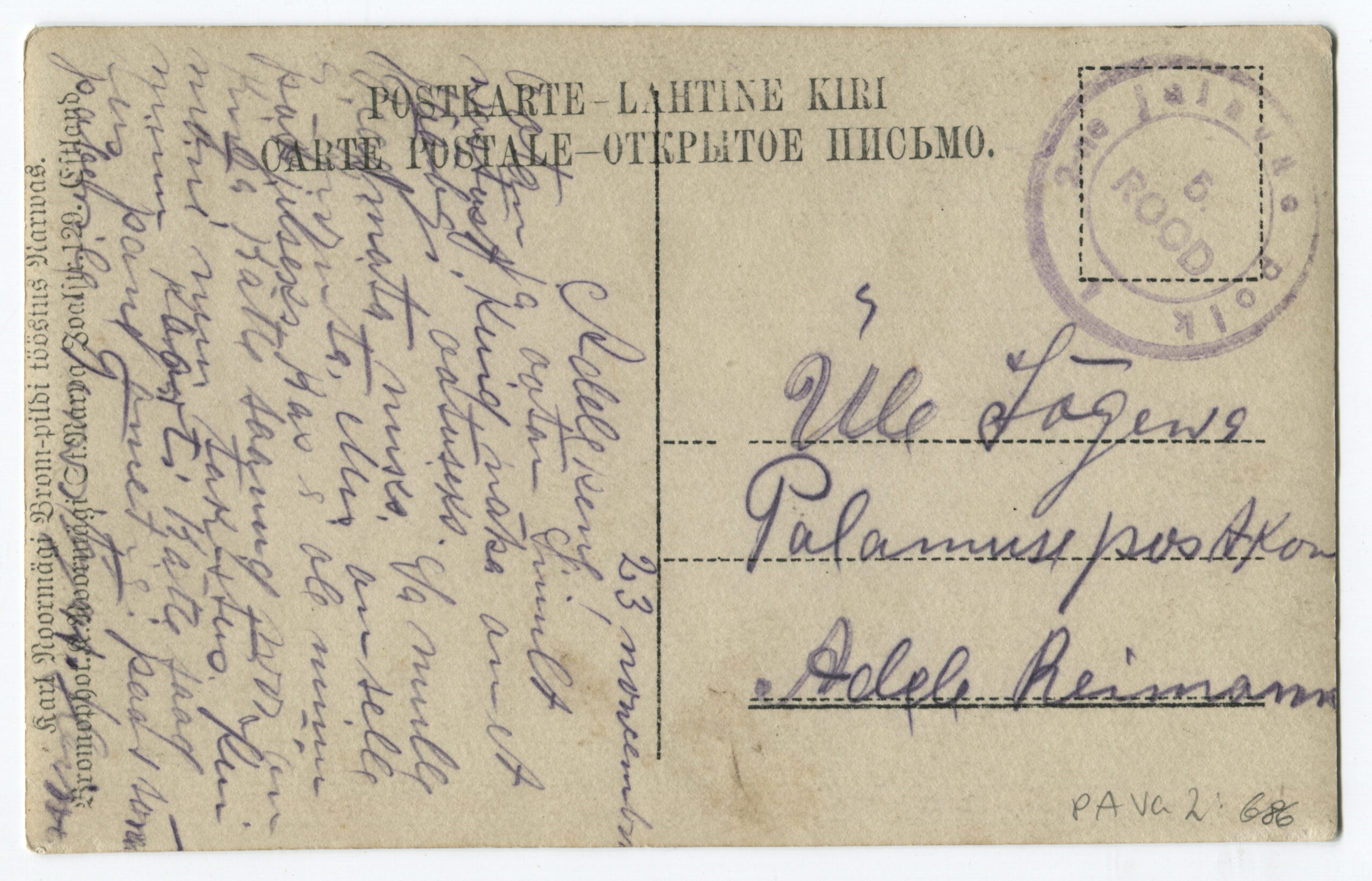
The commander of the 5. company was captin Eduard Liibus.
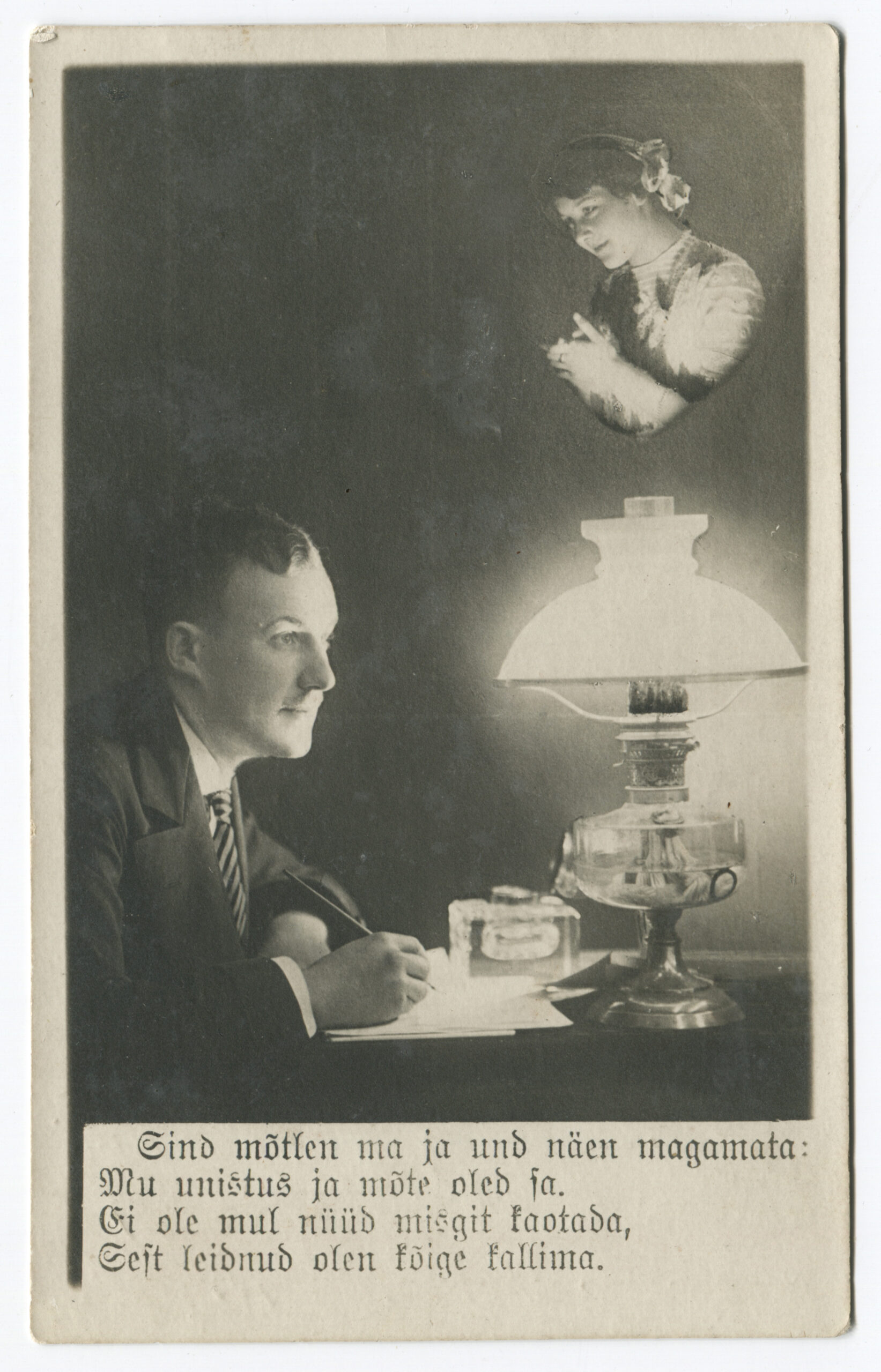
The commander of the 5. company was captin Eduard Liibus.
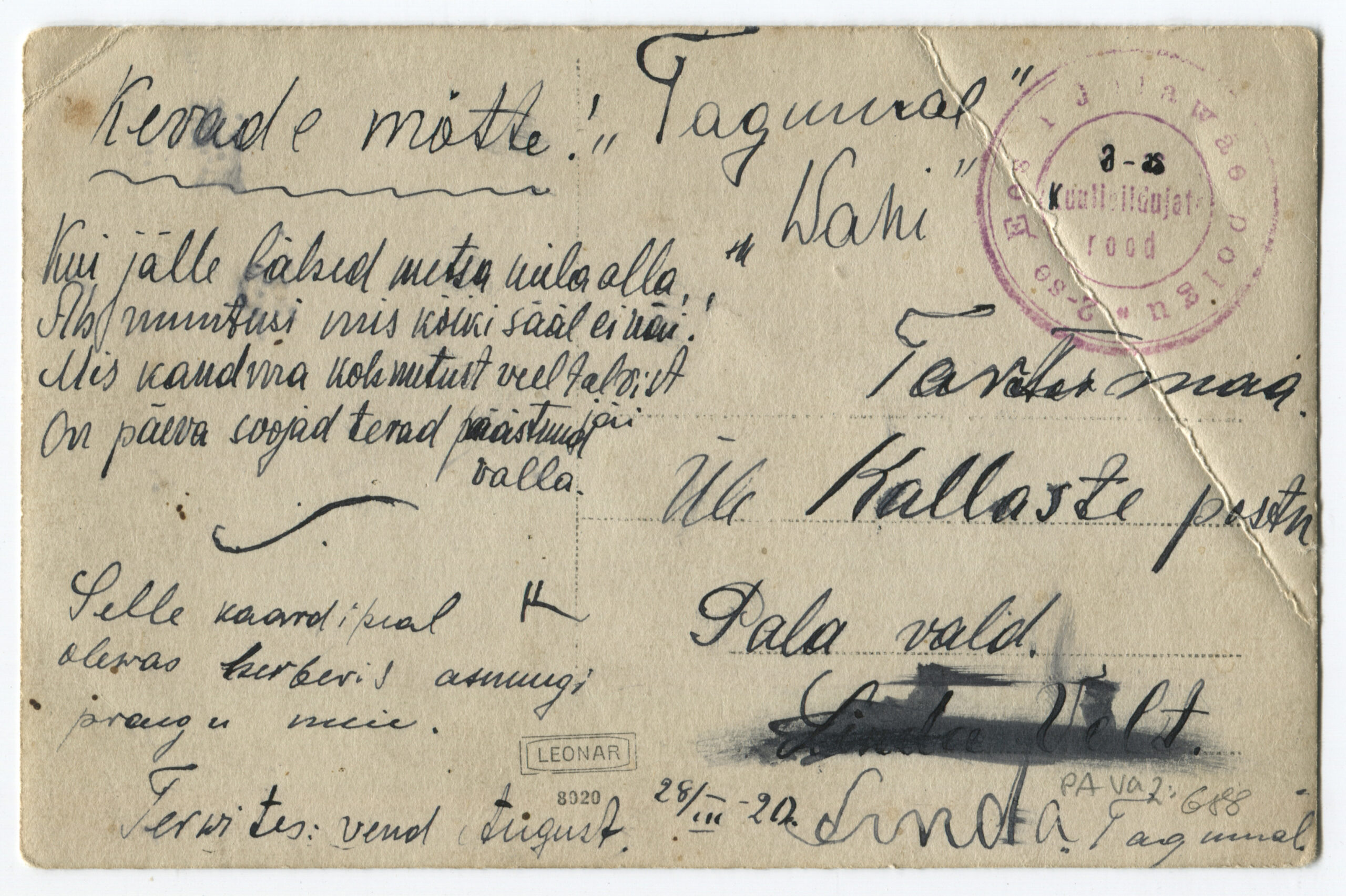
Järvere manor, Urvaste parish, Võru county
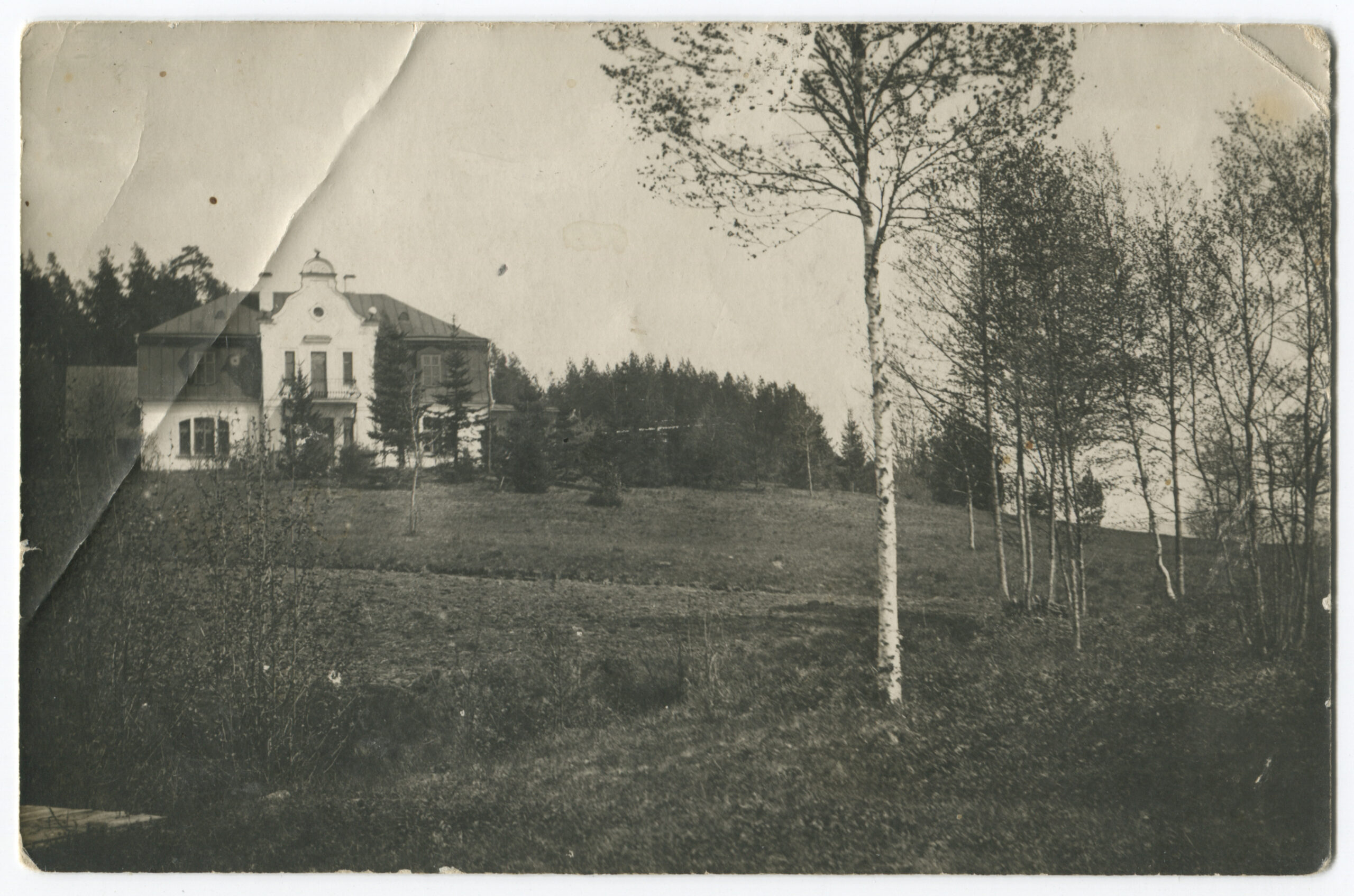
Järvere manor, Urvaste parish, Võru county
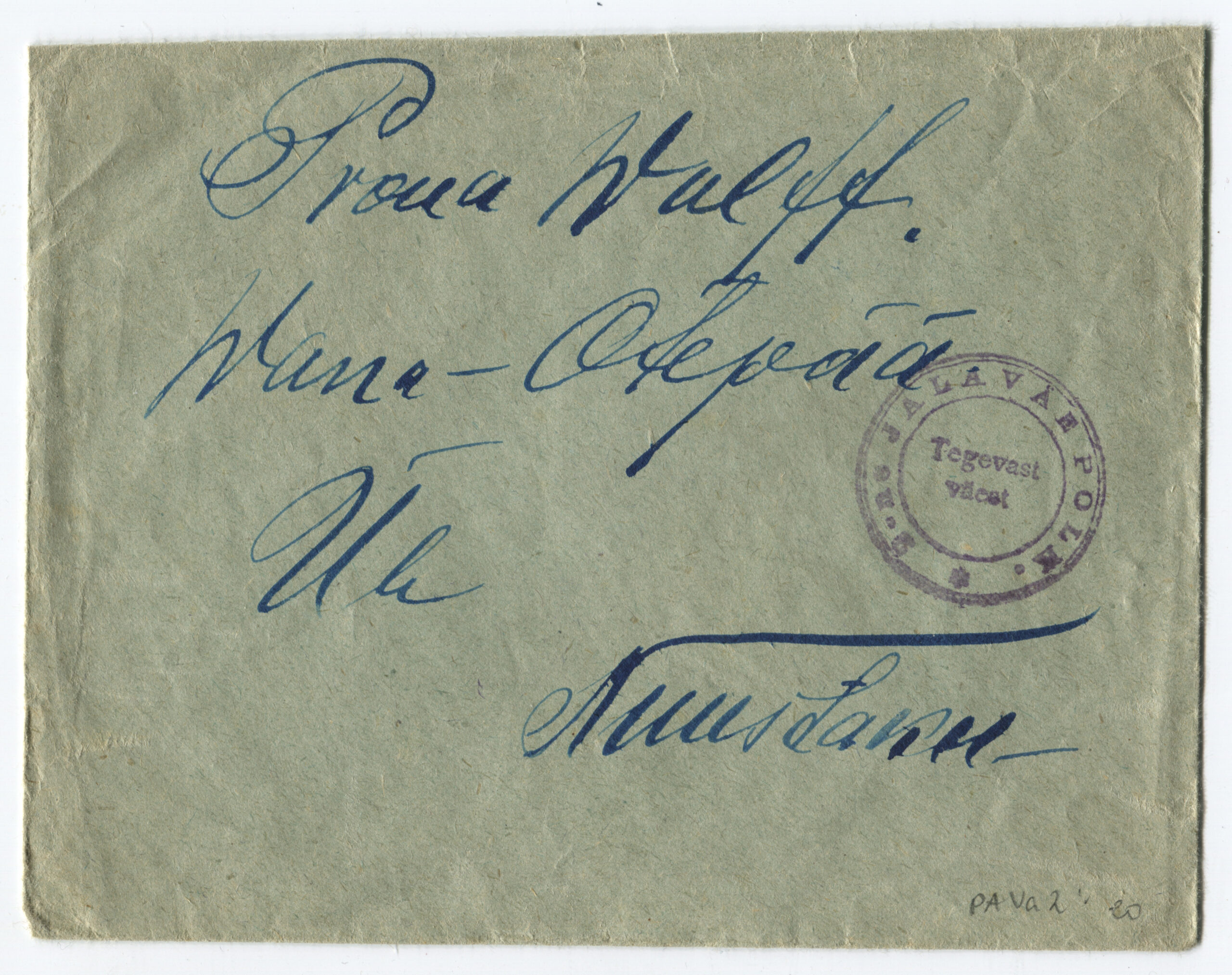
The letter was sent to Olga Wulff, the wife of Gustav Wulff-Õie, the author of the lyrics to the song “Delicate Nightingale”.
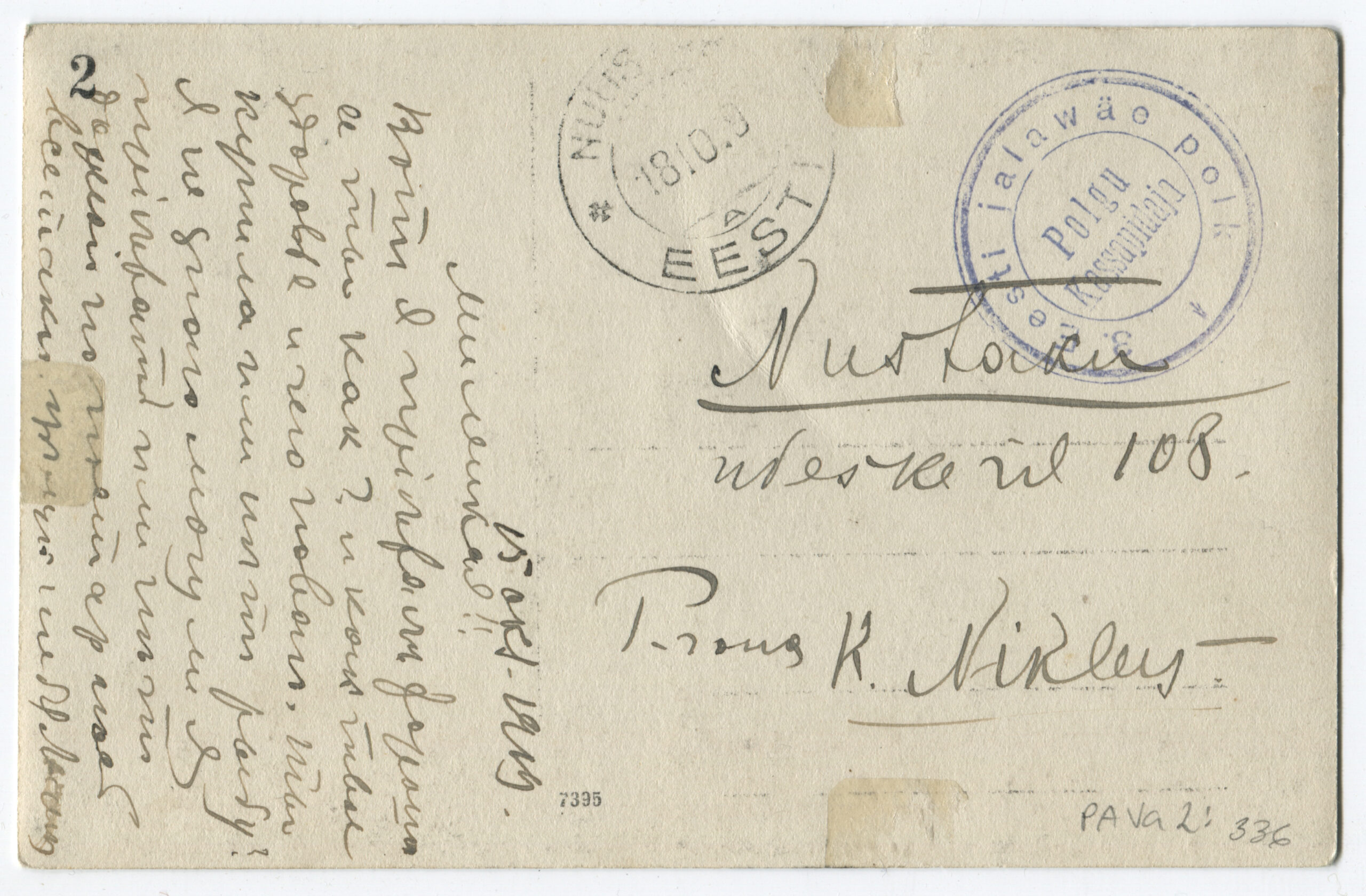
On the 21.11.1918, the 3rd Brigade was organized in Võru to protect South-Estonia.
The brigade was formed by colonel Eduard-Alfred Kubbo.
Photo: The bigade’s staff was in Võru, Kreutzwaldi 30 (that time called Riga street).
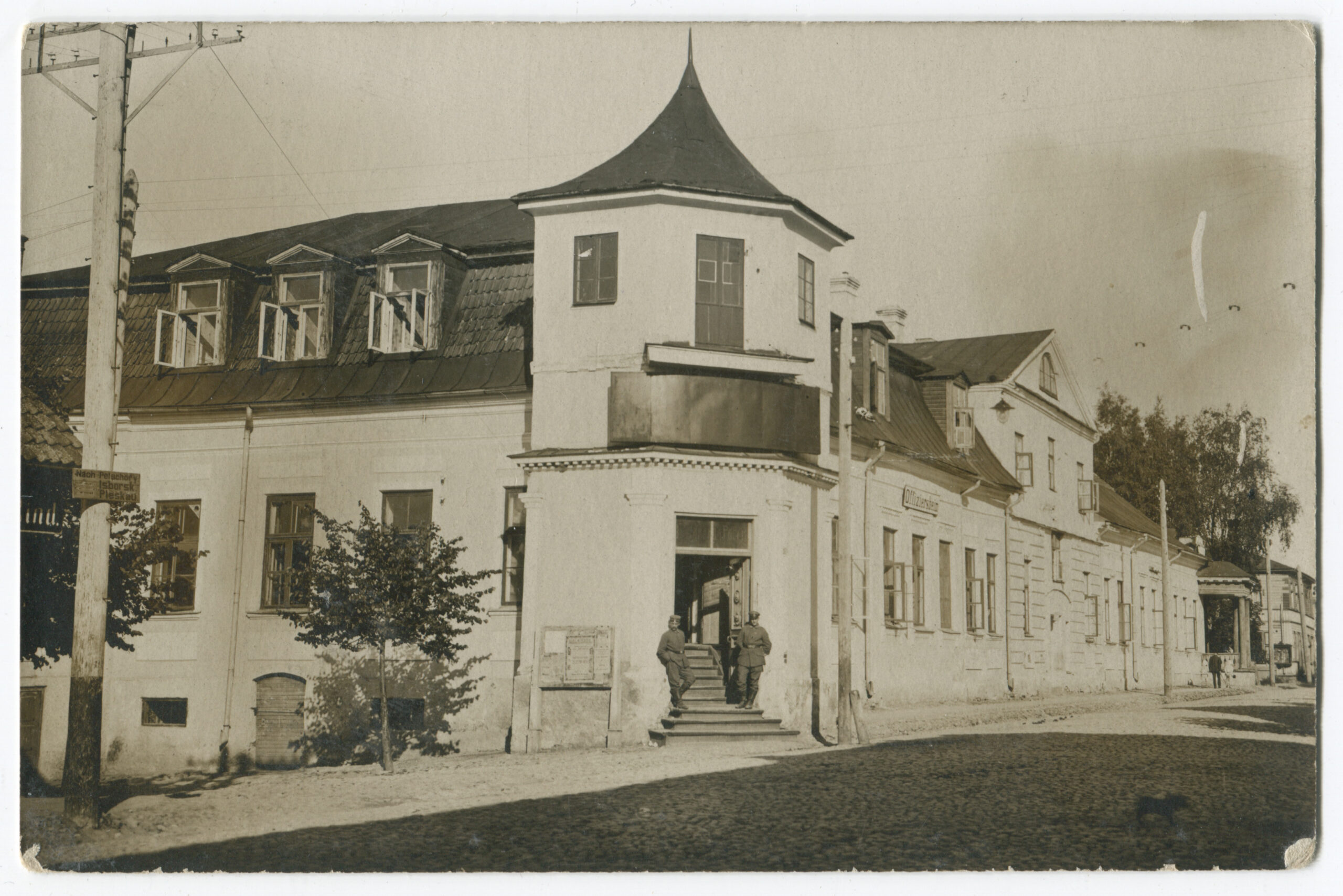
On the 21.11.1918, the 3rd Brigade was organized in Võru to protect South-Estonia.
The brigade was formed by colonel Eduard-Alfred Kubbo.
Photo: The bigade’s staff was in Võru, Kreutzwaldi 30 (that time called Riga street).
On the evening of December 1, 1918, the 3rd bgigade received the first shipment of weapons from Tallinn – 500 guns with 100,000 cartridge.Villa Adriana
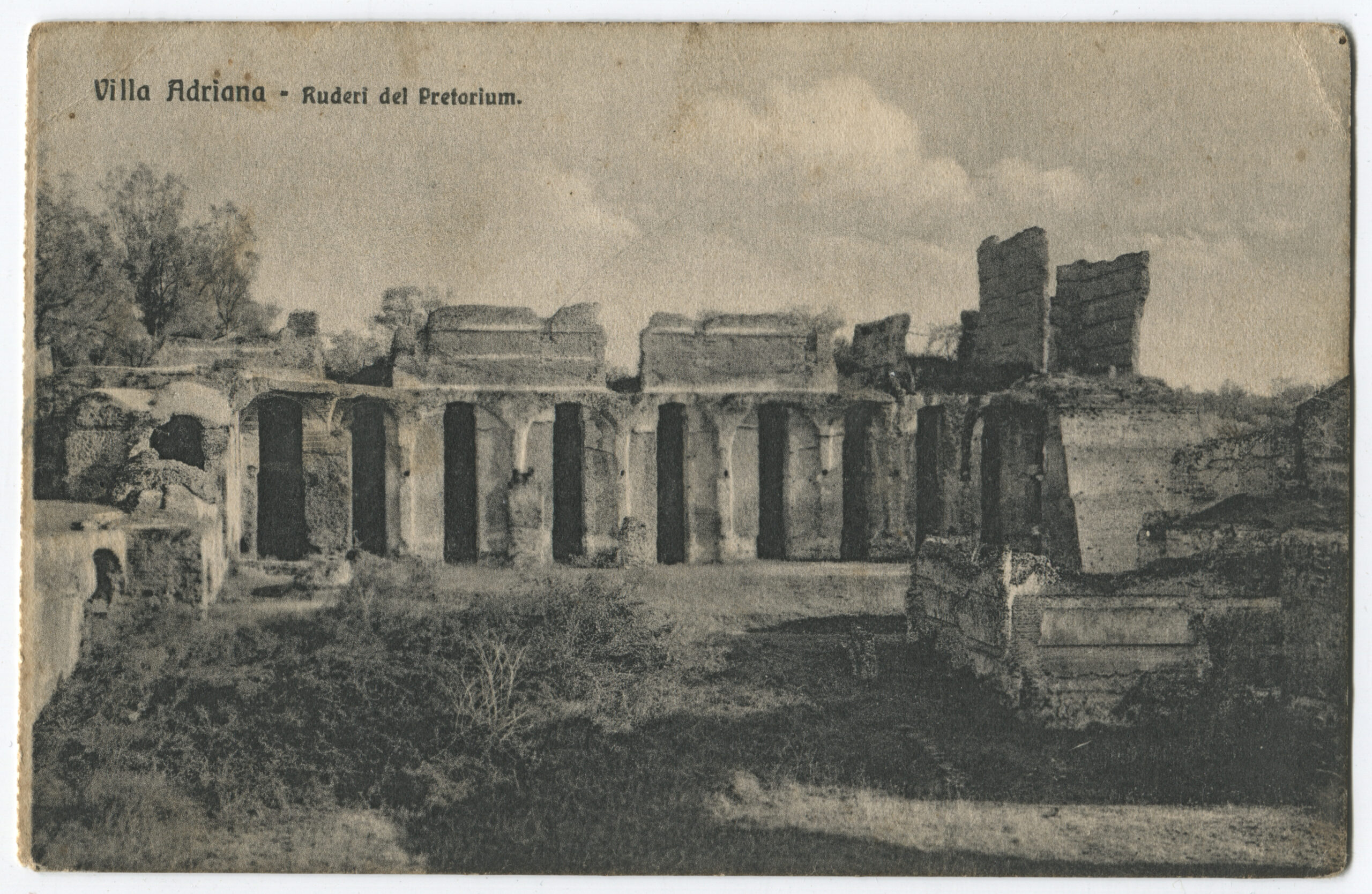
On the evening of December 1, 1918, the 3rd bgigade received the first shipment of weapons from Tallinn – 500 guns with 100,000 cartridge.Villa Adriana
On the 21.11.1918, Nikolai Fischer entered the 3rd Estonian Infantry Brigade and was appointed commander of the Scout’s command cavalry.
Foto: Pedeli river, Valka
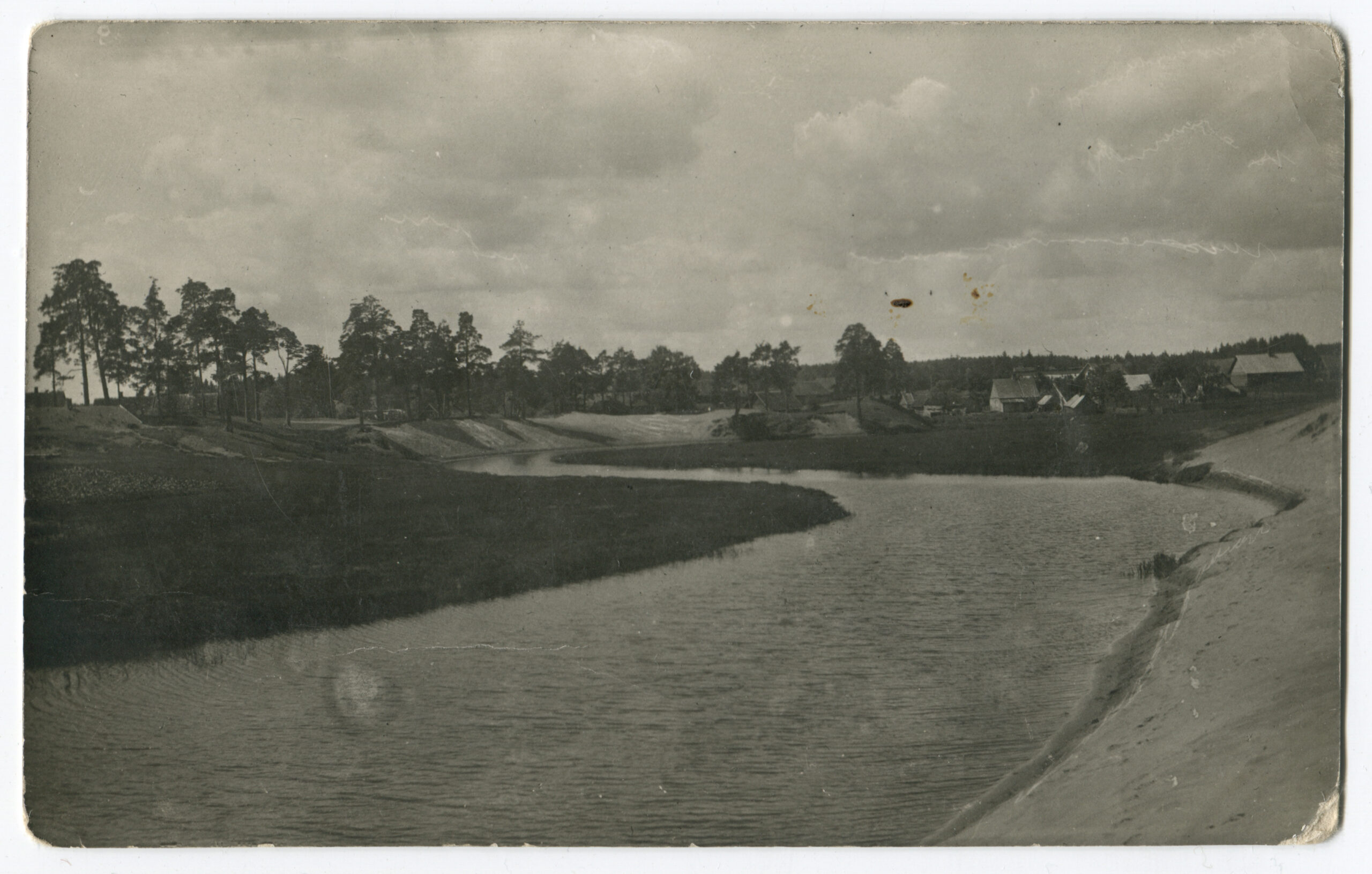
On the 21.11.1918, Nikolai Fischer entered the 3rd Estonian Infantry Brigade and was appointed commander of the Scout’s command cavalry.
Foto: Pedeli river, Valka
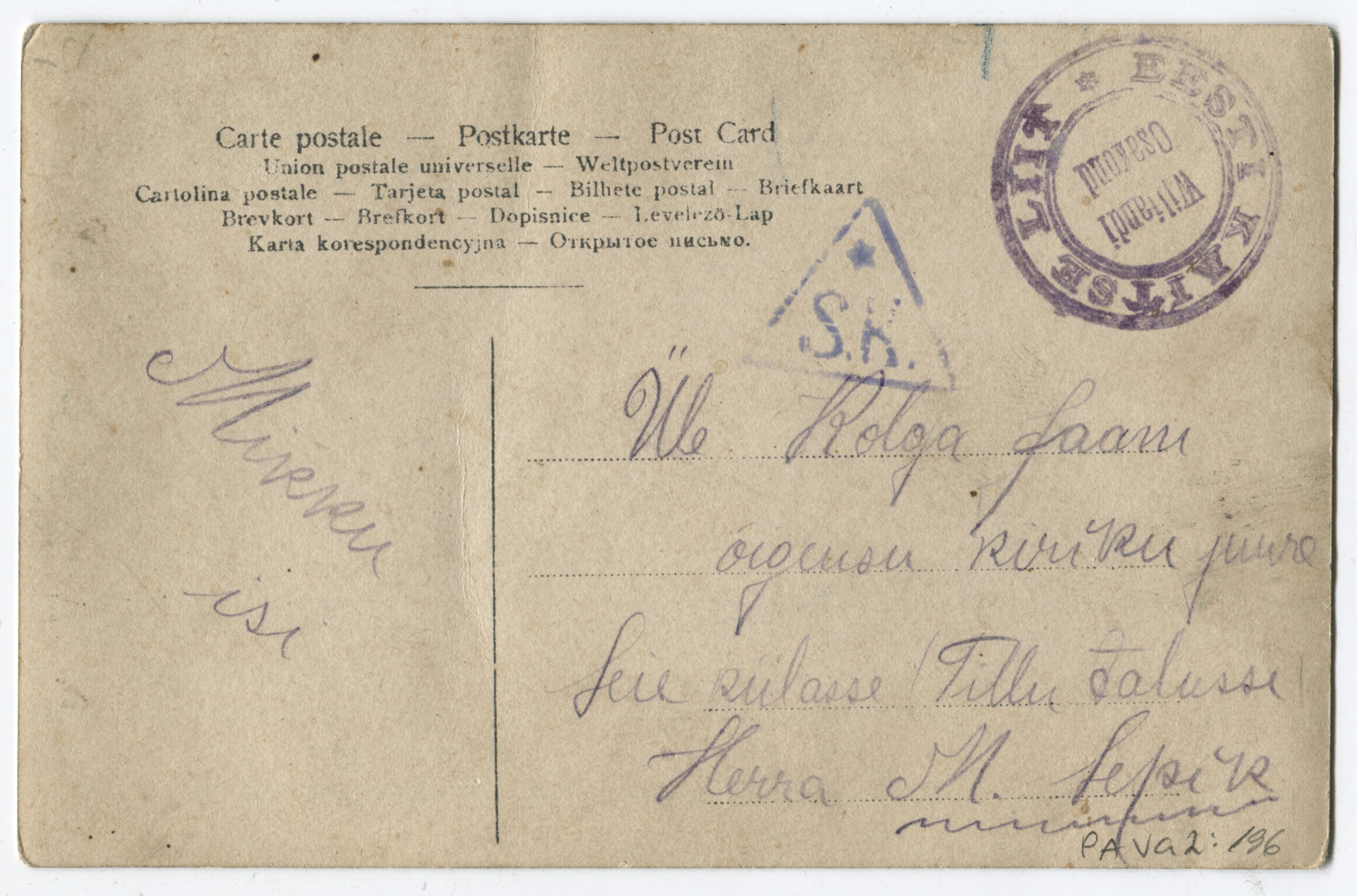
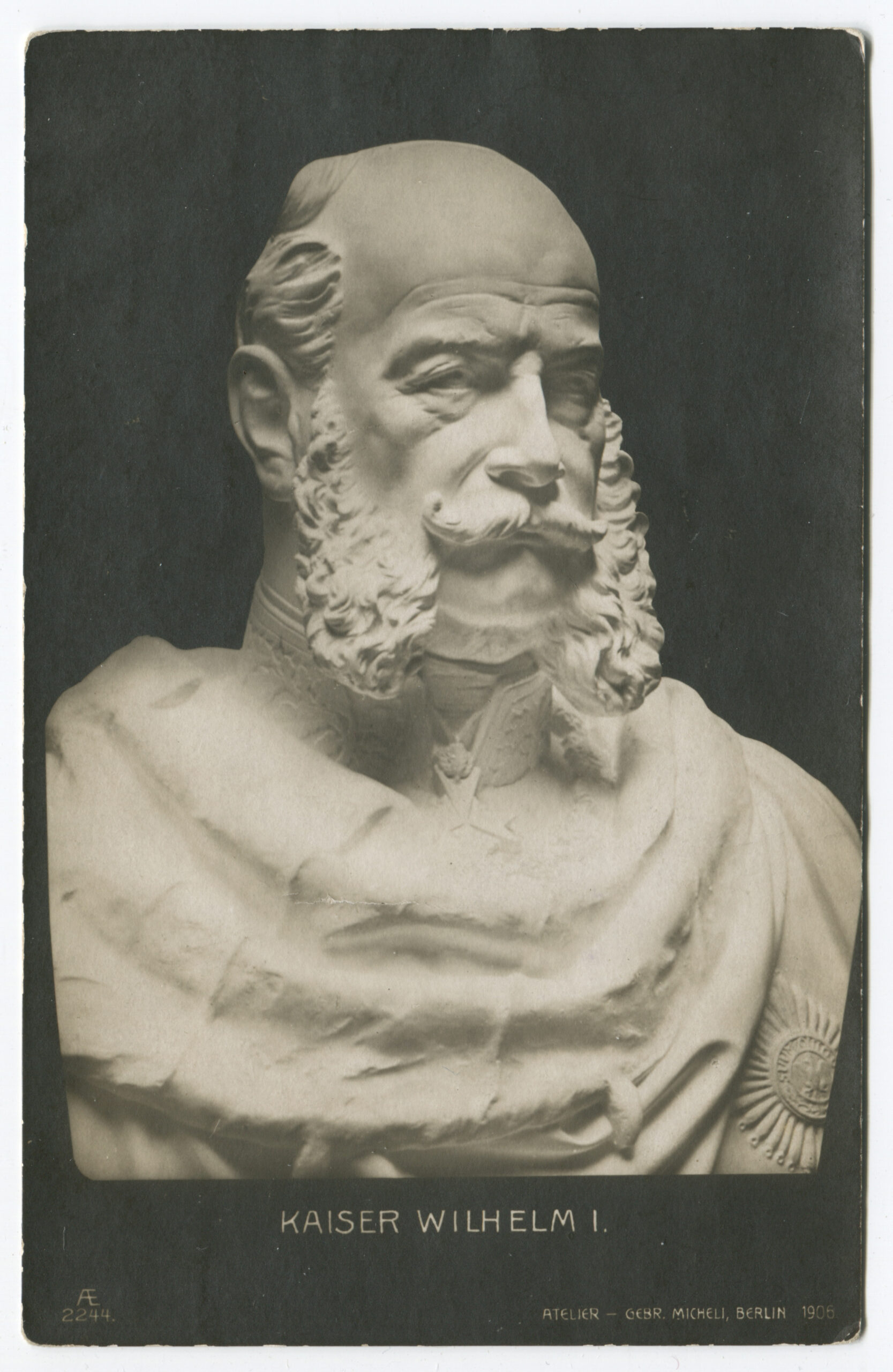
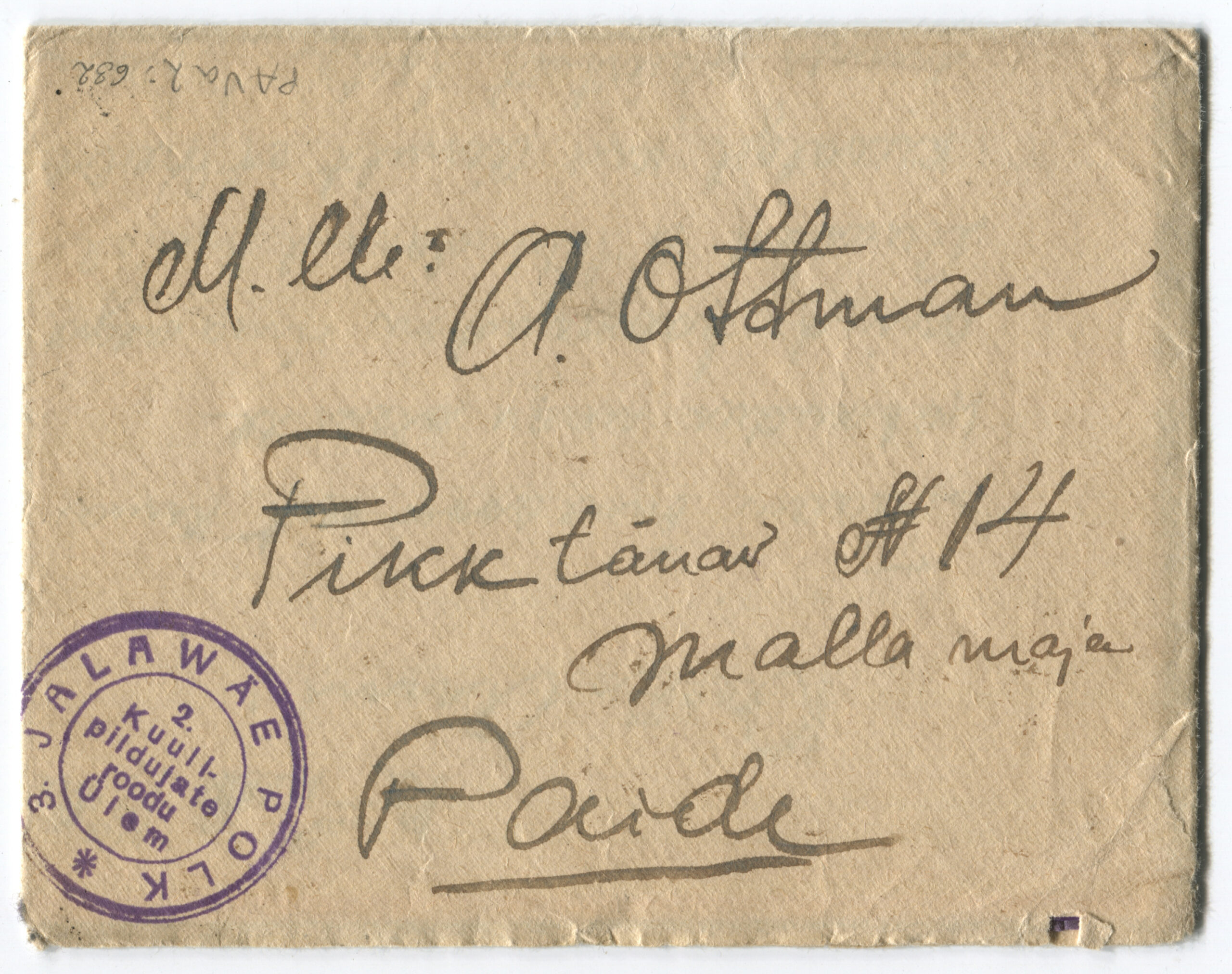
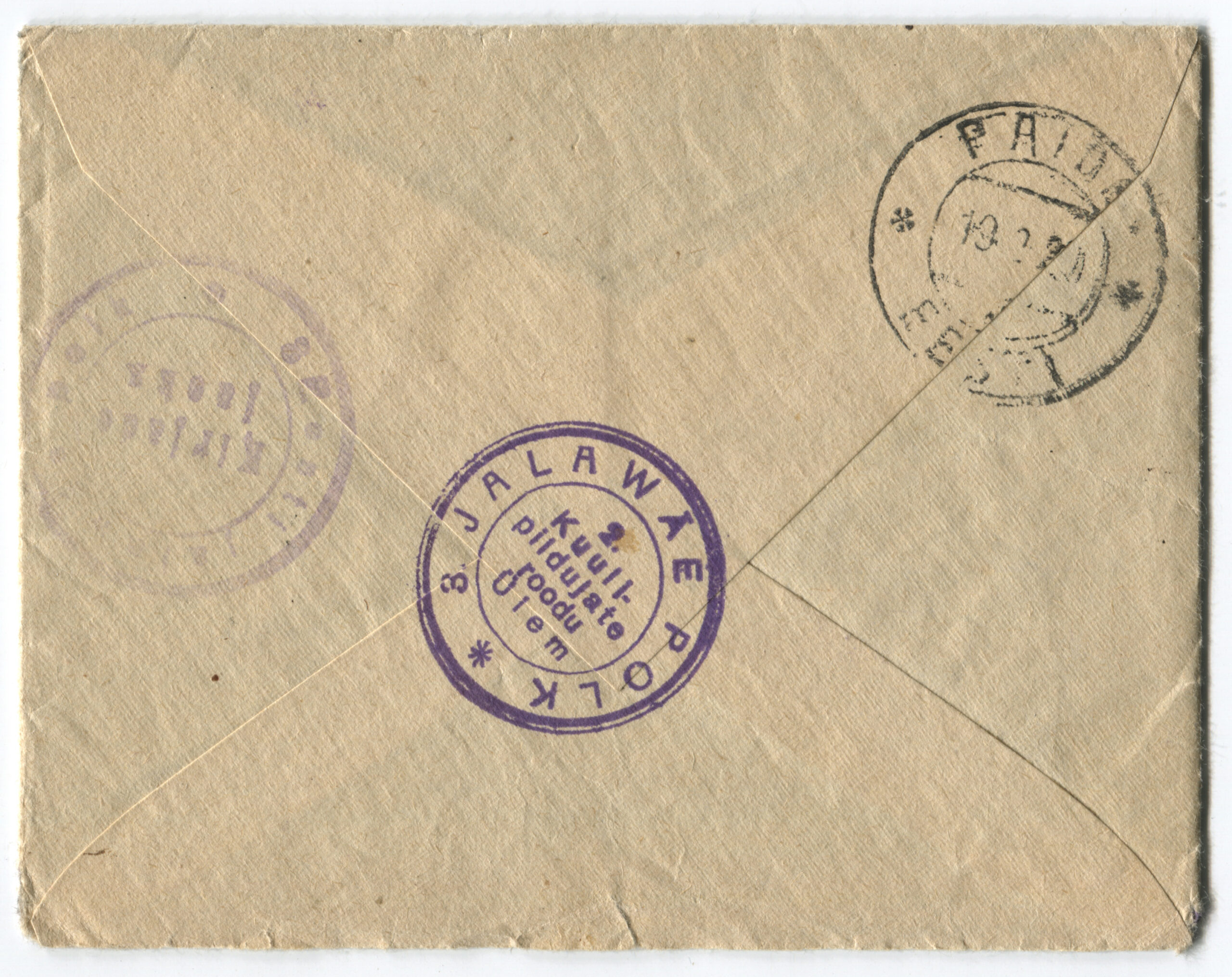
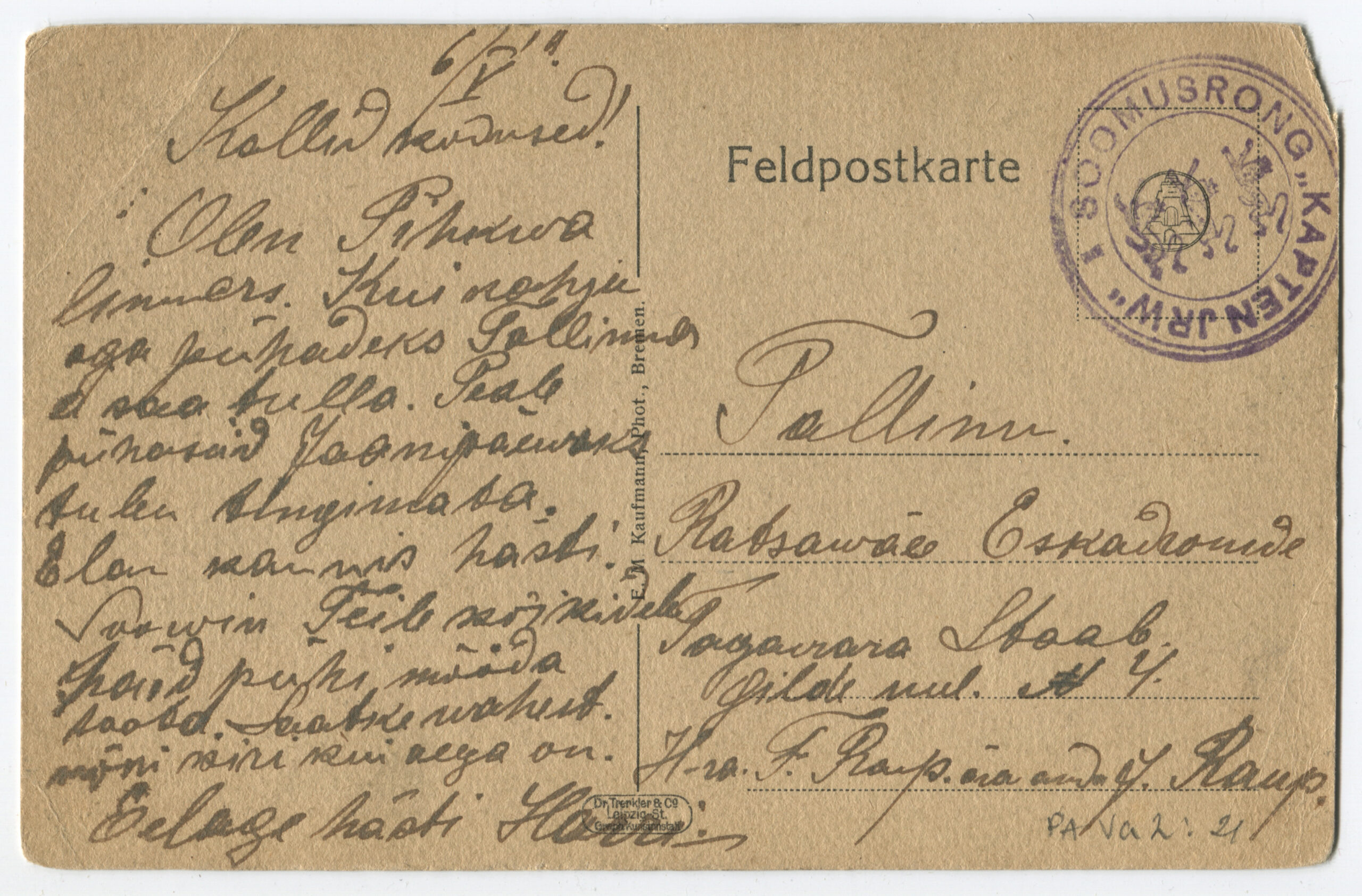
The armored train was originally called the Wide Gauge Armored Train No. 1 (LRSR No. 1). After the death of the first commander of the armored train, captain Anton Irv, in a battle near Egle railway station in northern Latvia on April 27, 1919, the armored train was named Captain Irv after Anton Irv.
Mirožski monastery, Pihkva
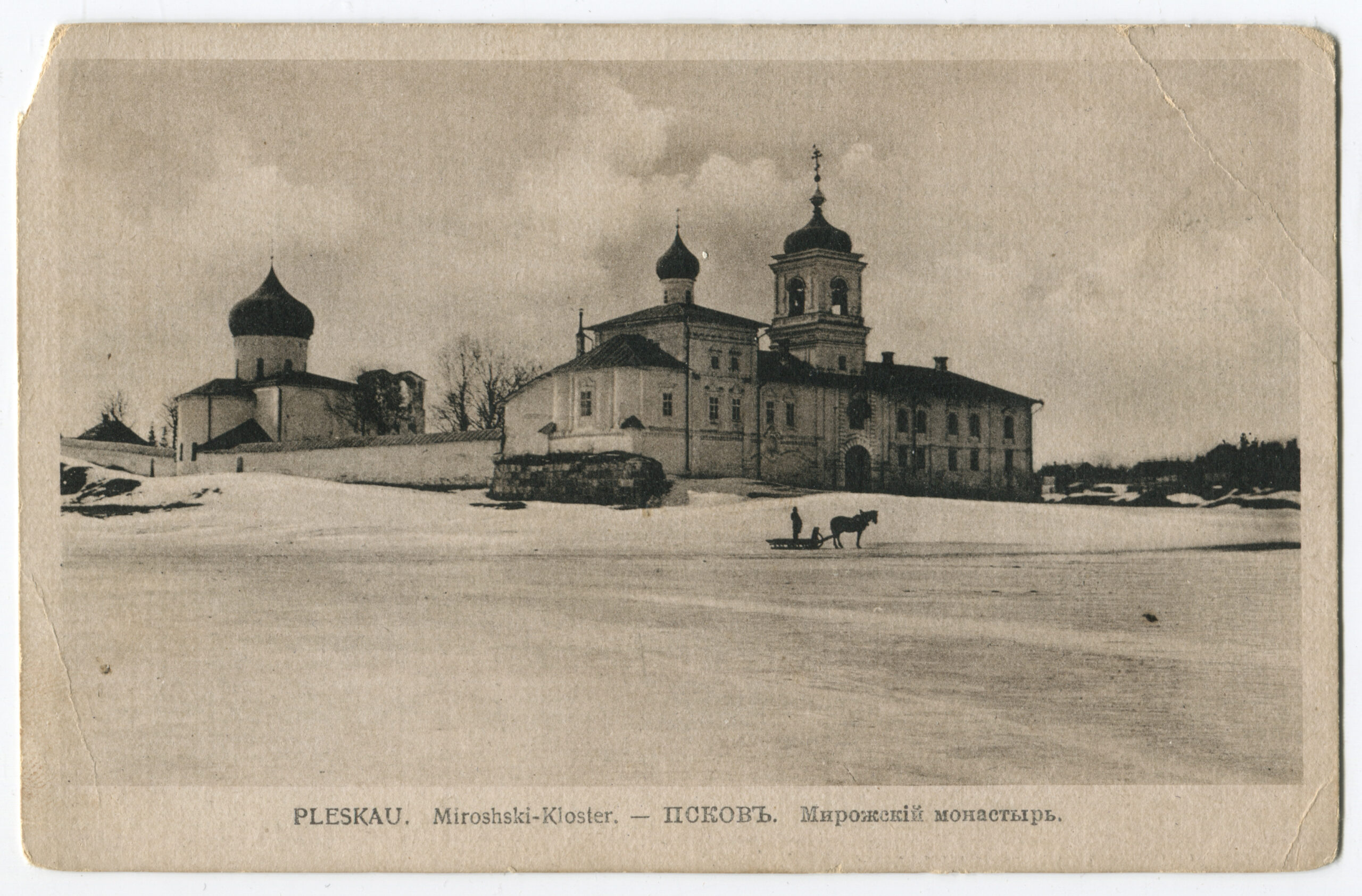
The armored train was originally called the Wide Gauge Armored Train No. 1 (LRSR No. 1). After the death of the first commander of the armored train, captain Anton Irv, in a battle near Egle railway station in northern Latvia on April 27, 1919, the armored train was named Captain Irv after Anton Irv.
Mirožski monastery, Pihkva
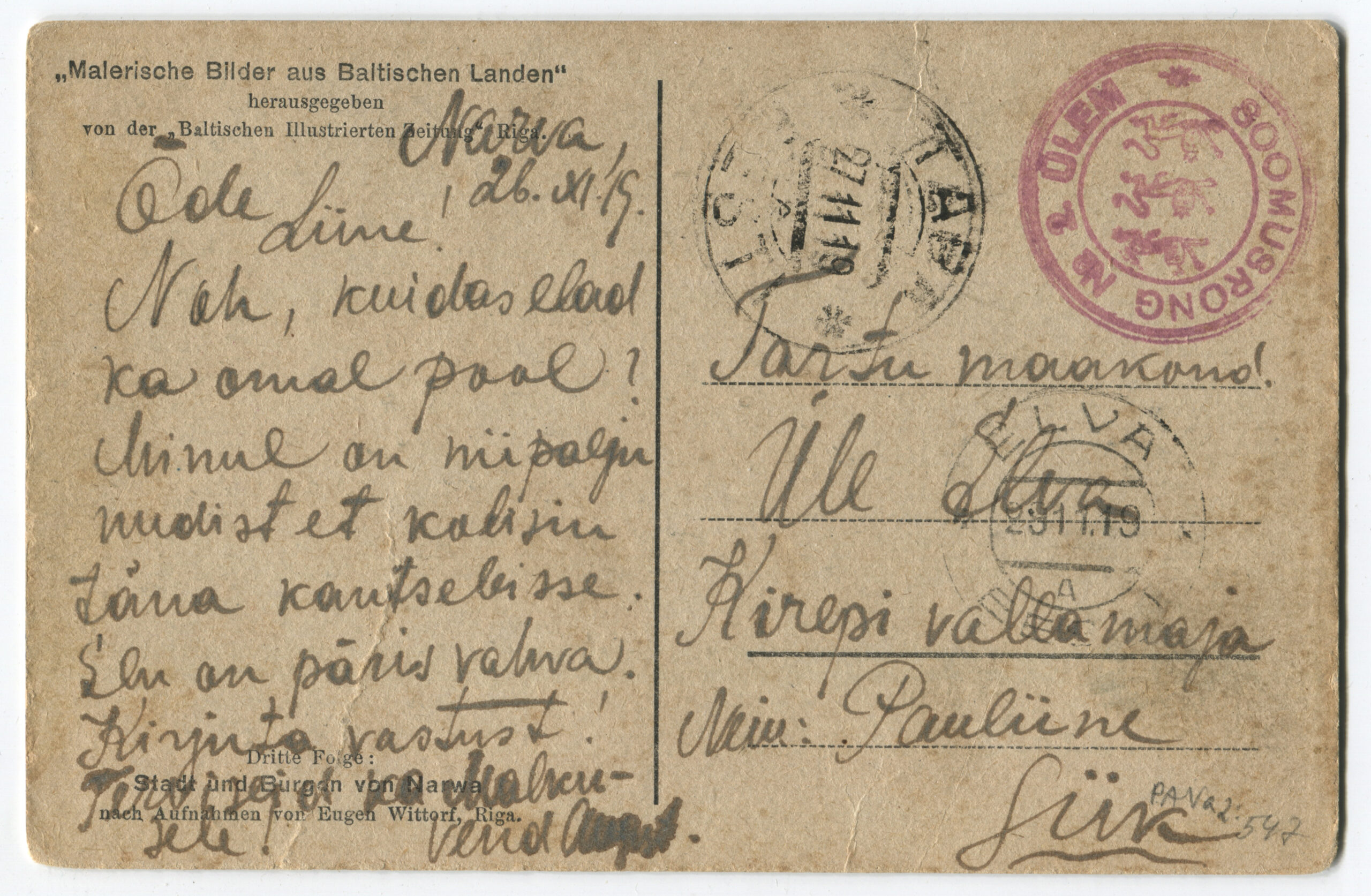
The first commander of the wide-gauge armored train No. 2 was captain Karl Parts from 10 December to 25 December 1918.
Narva, view to Ivangorod (Jaanilinn)
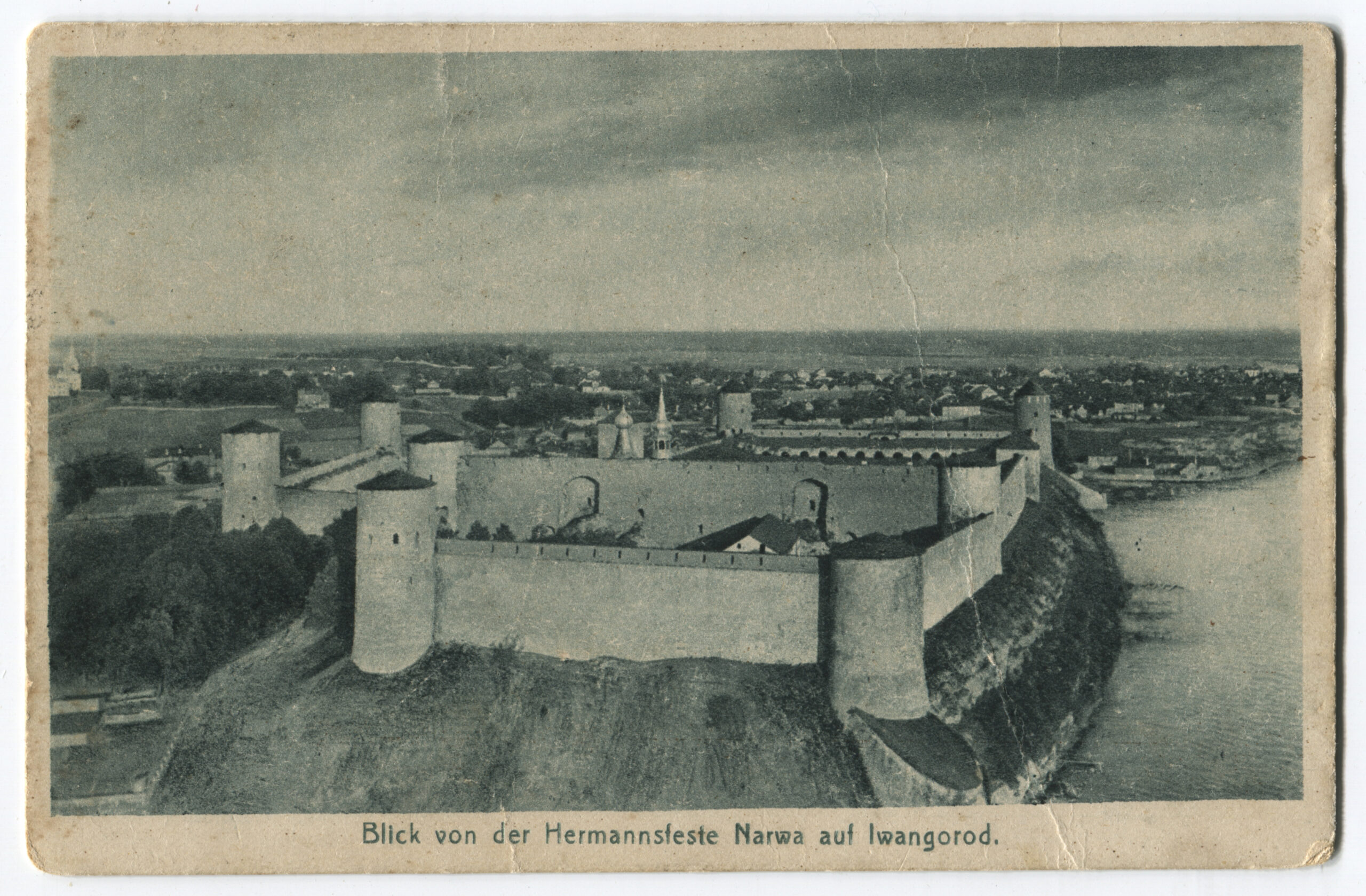
The first commander of the wide-gauge armored train No. 2 was captain Karl Parts from 10 December to 25 December 1918.
Narva, view to Ivangorod (Jaanilinn)
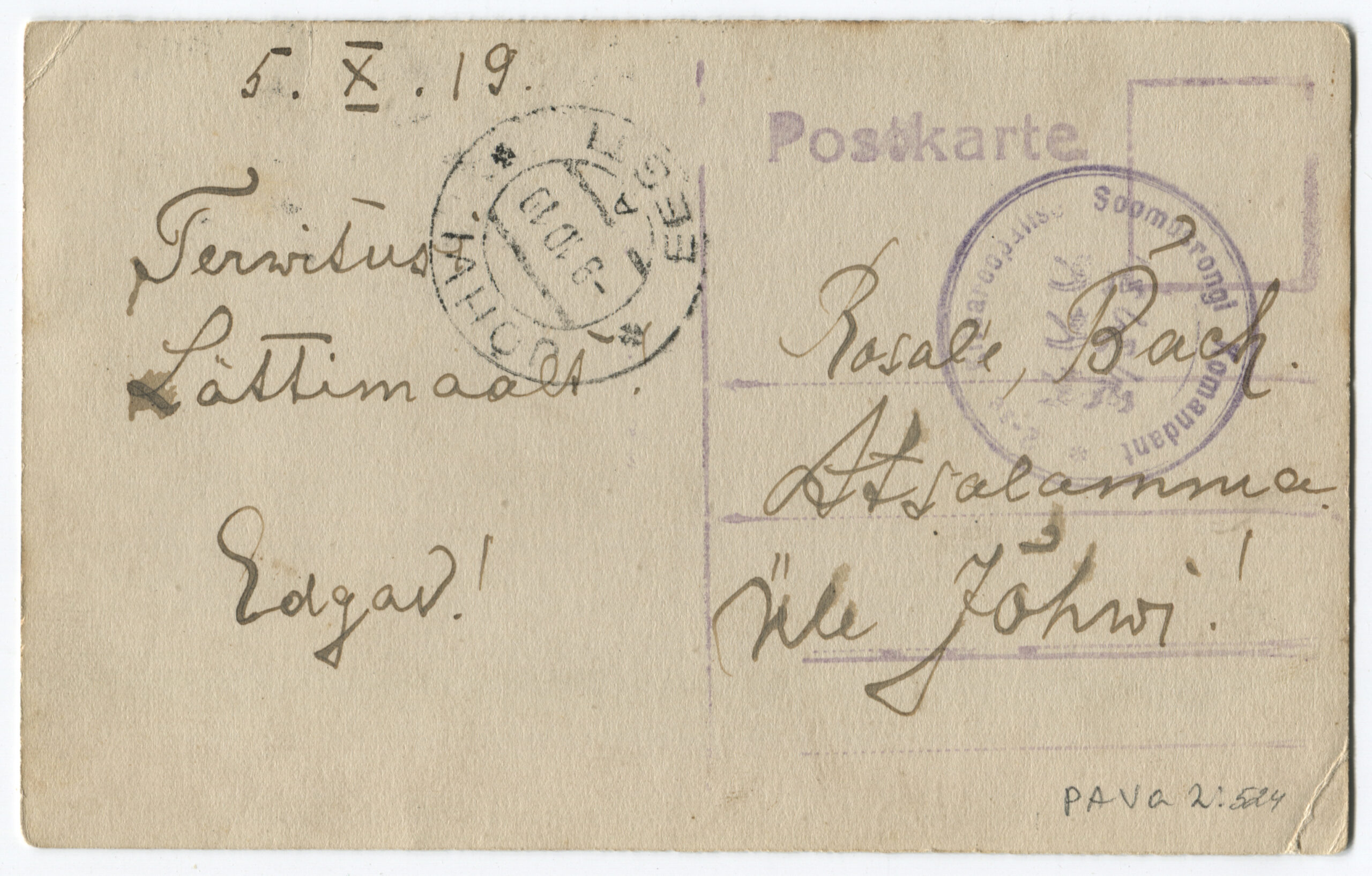
The narrow-gauge armored train no 2 was built in the same way as the armored train no 3 by order of captain Johan Pitka in Tallinn at the end of December 1918 and the beginning of January 1919. The train was 7 wagons long, with one 55 mm old sea cannon and six machine guns. The train was formed by lieutenant captain Paul Laamann, who himself became the first commander of the train.
Valka, Livonia, Knight market (Latvia)
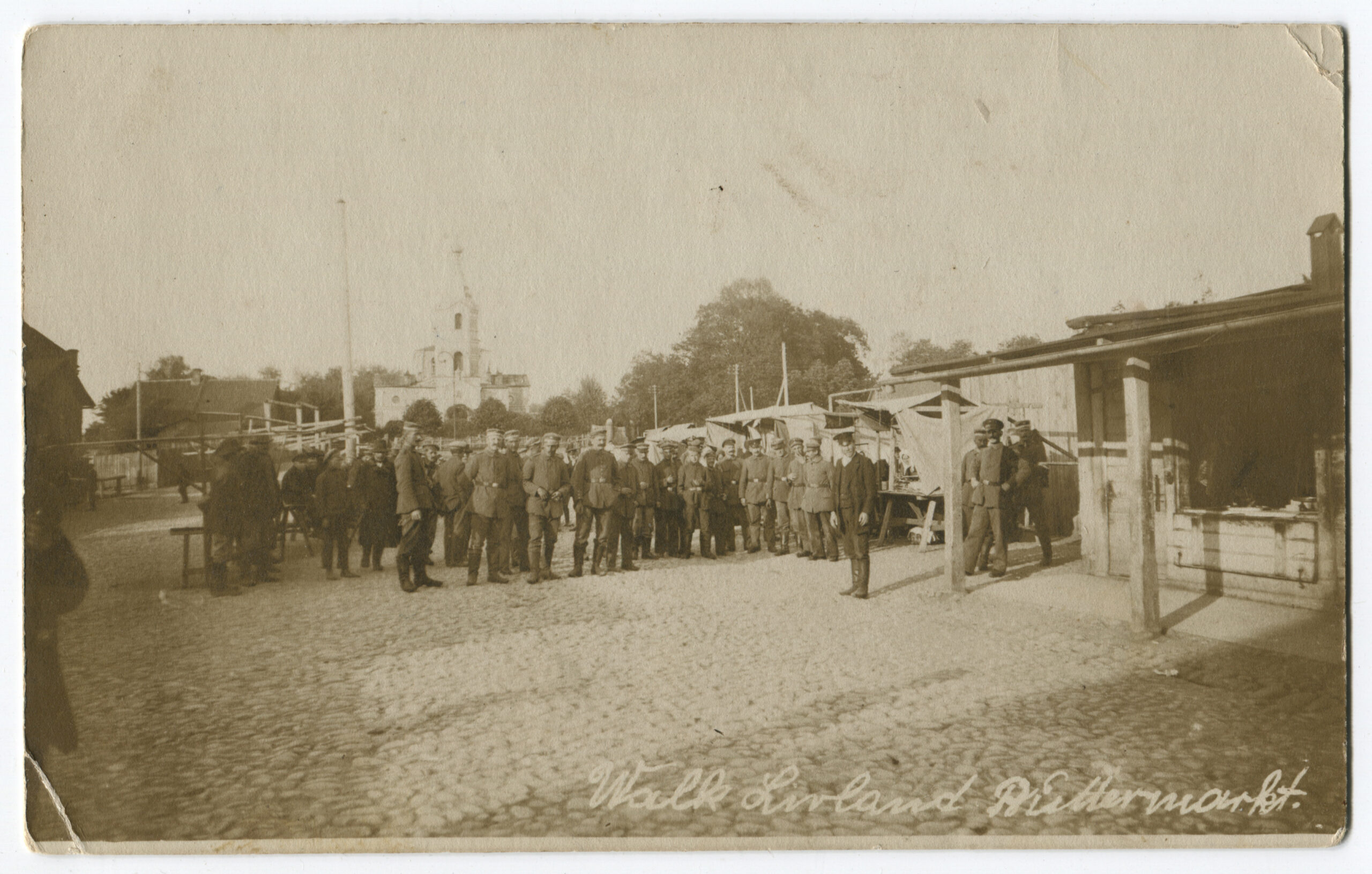
The narrow-gauge armored train no 2 was built in the same way as the armored train no 3 by order of captain Johan Pitka in Tallinn at the end of December 1918 and the beginning of January 1919. The train was 7 wagons long, with one 55 mm old sea cannon and six machine guns. The train was formed by lieutenant captain Paul Laamann, who himself became the first commander of the train.
Valka, Livonia, Knight market (Latvia)
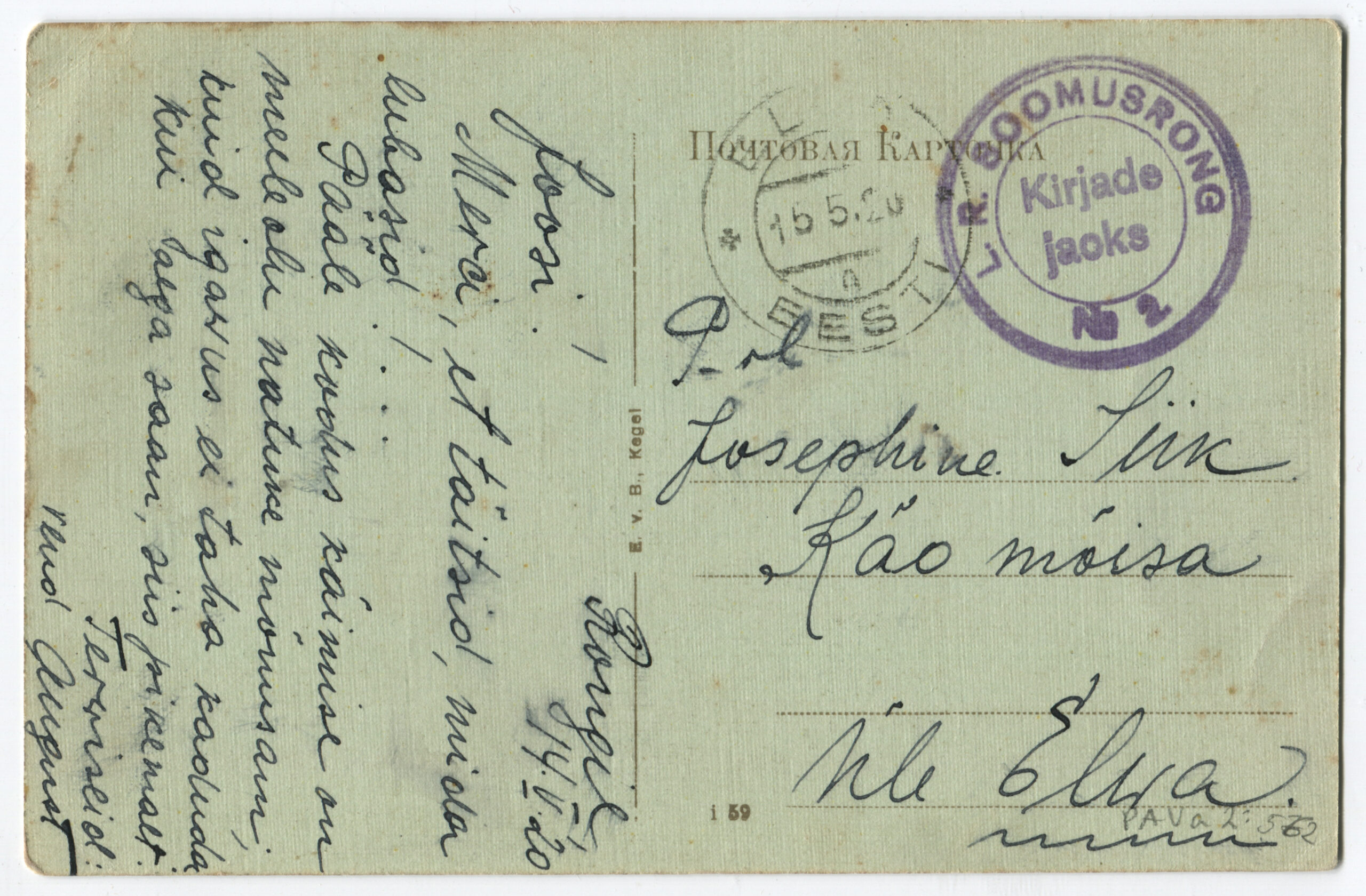
The wide-gauged armored train no 2 was founded in Tallinn on the 12.12.1918.
An armored train was sent to the Viru front on the 14.12.1918.
Gråhara lighthouse
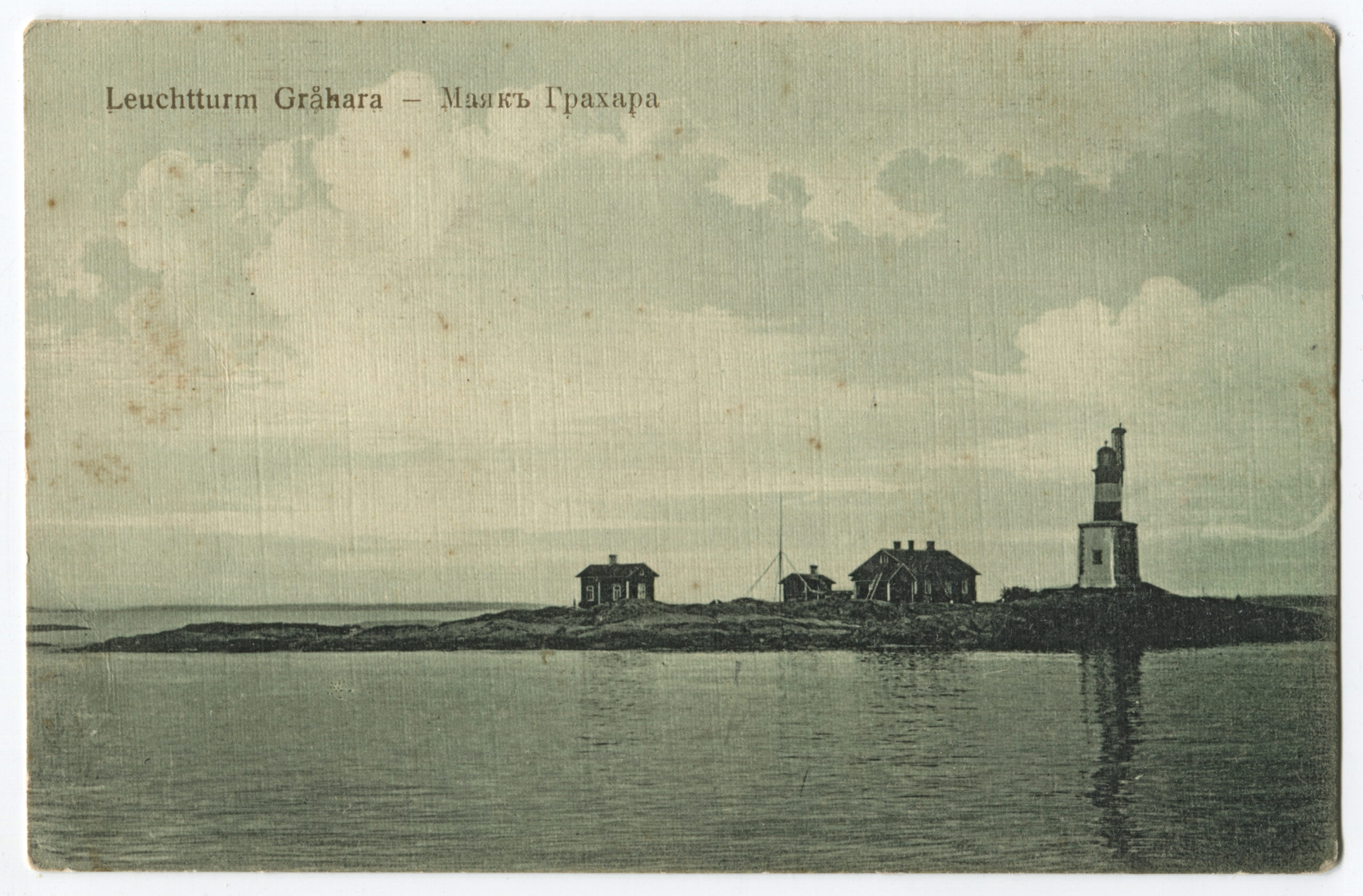
The wide-gauged armored train no 2 was founded in Tallinn on the 12.12.1918.
An armored train was sent to the Viru front on the 14.12.1918.
Gråhara lighthouse
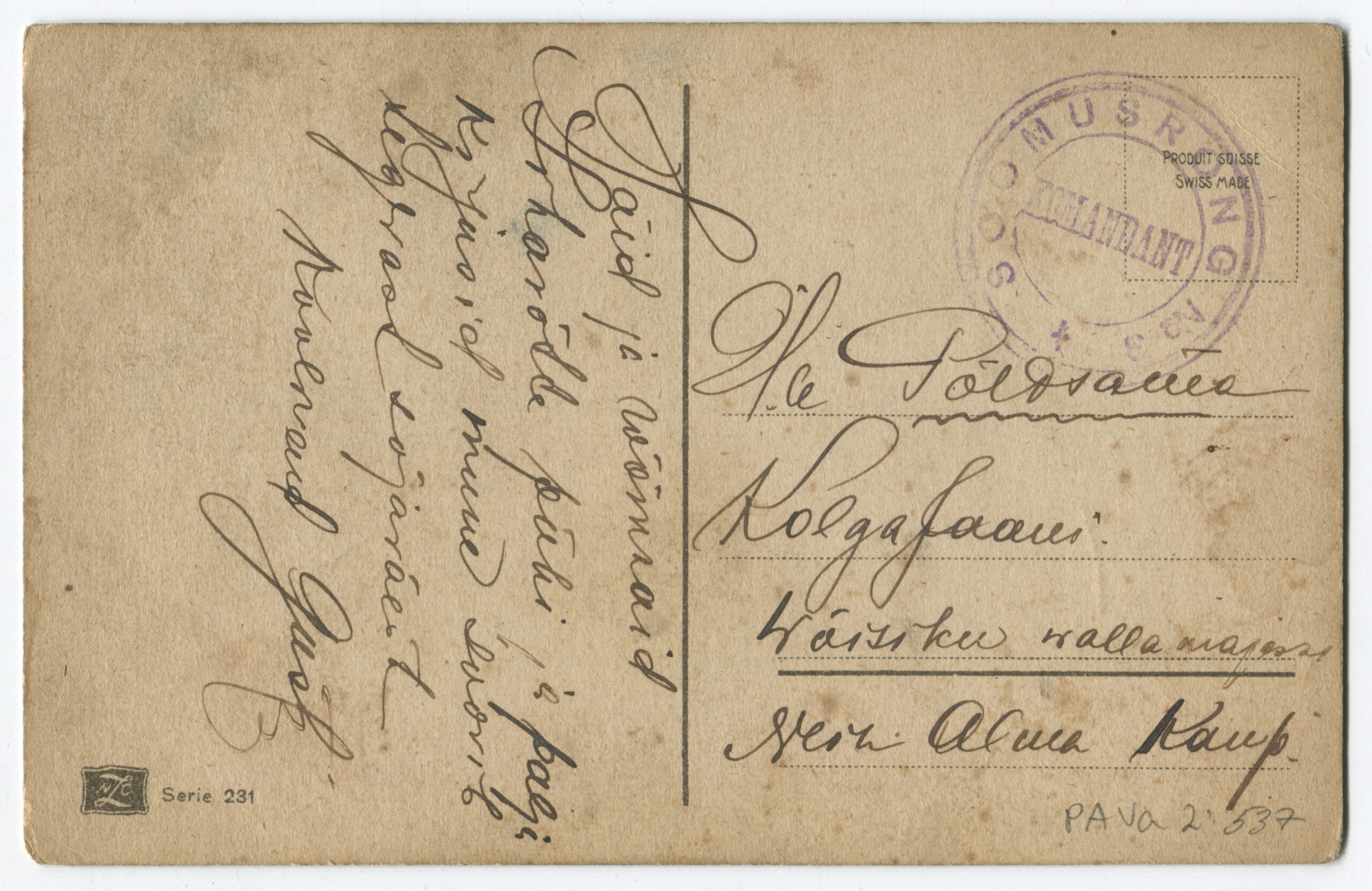
The wide-gauge armored train no 3 was founded in Tallinn on the 18.12.1918.
The armored train headed for the Viru front on the 23.12.1918.
The wide-gauge armored train no 3 was founded in Tallinn on the 18.12.1918.
The armored train headed for the Viru front on the 23.12.1918.
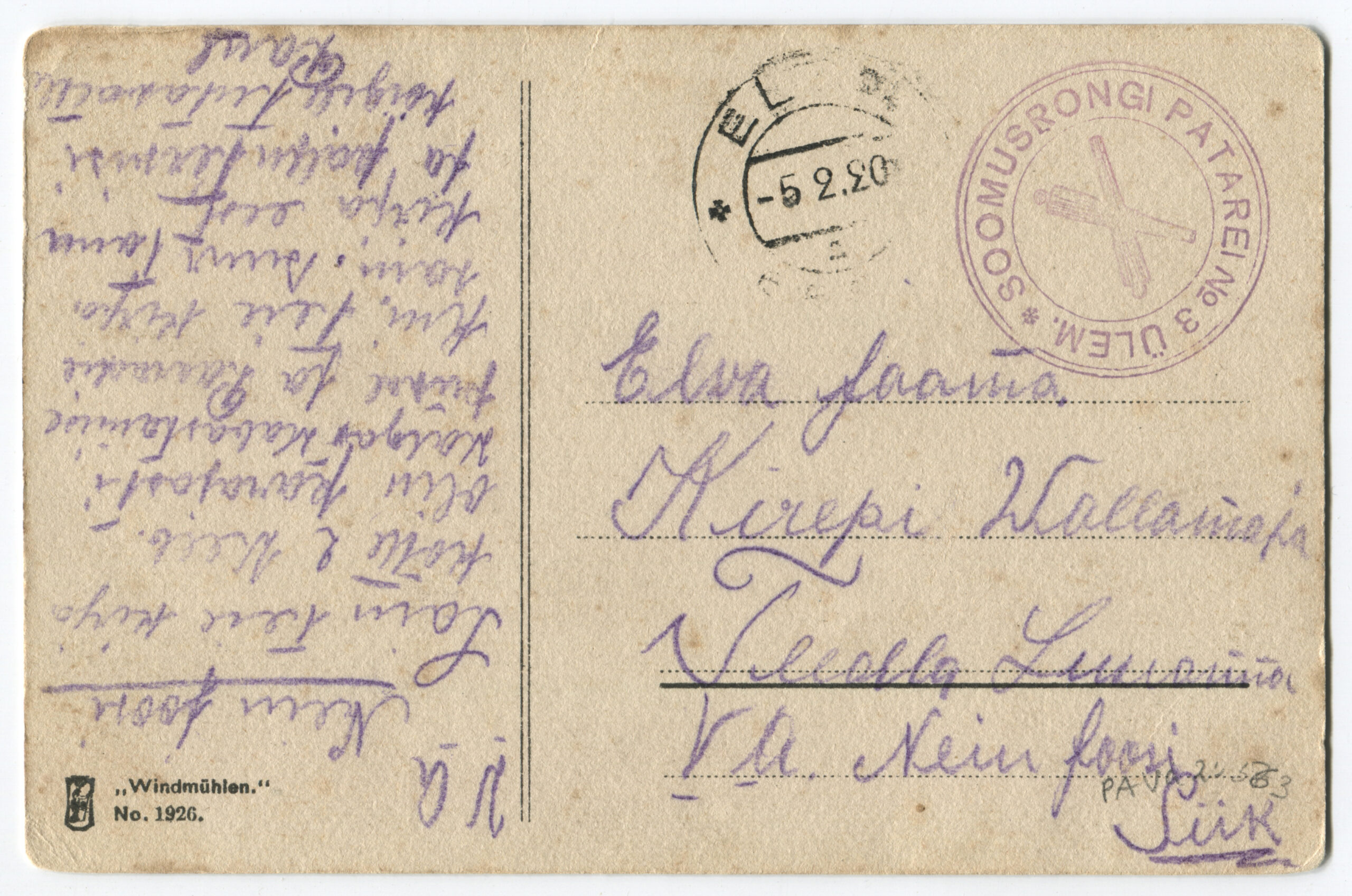
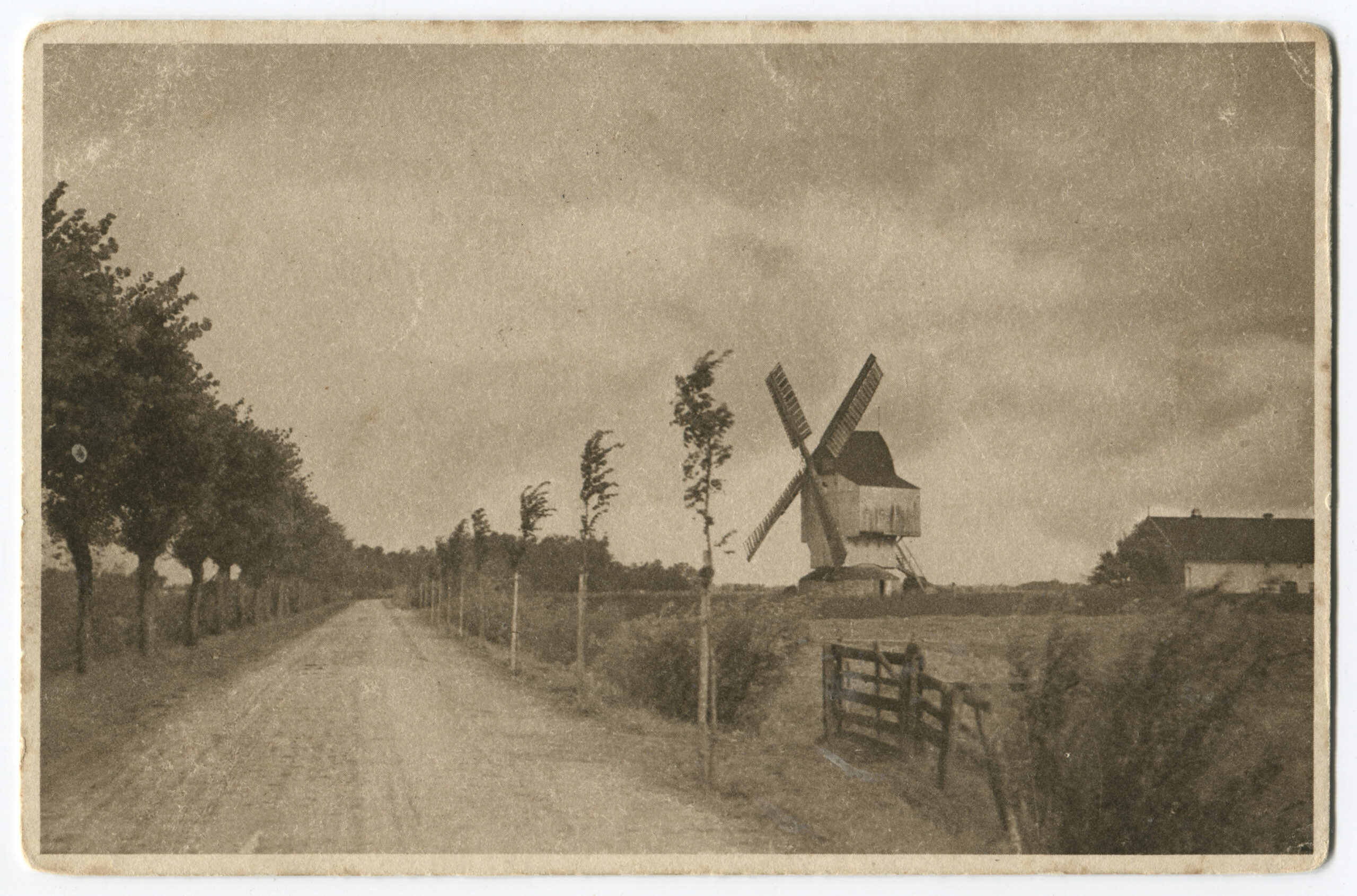
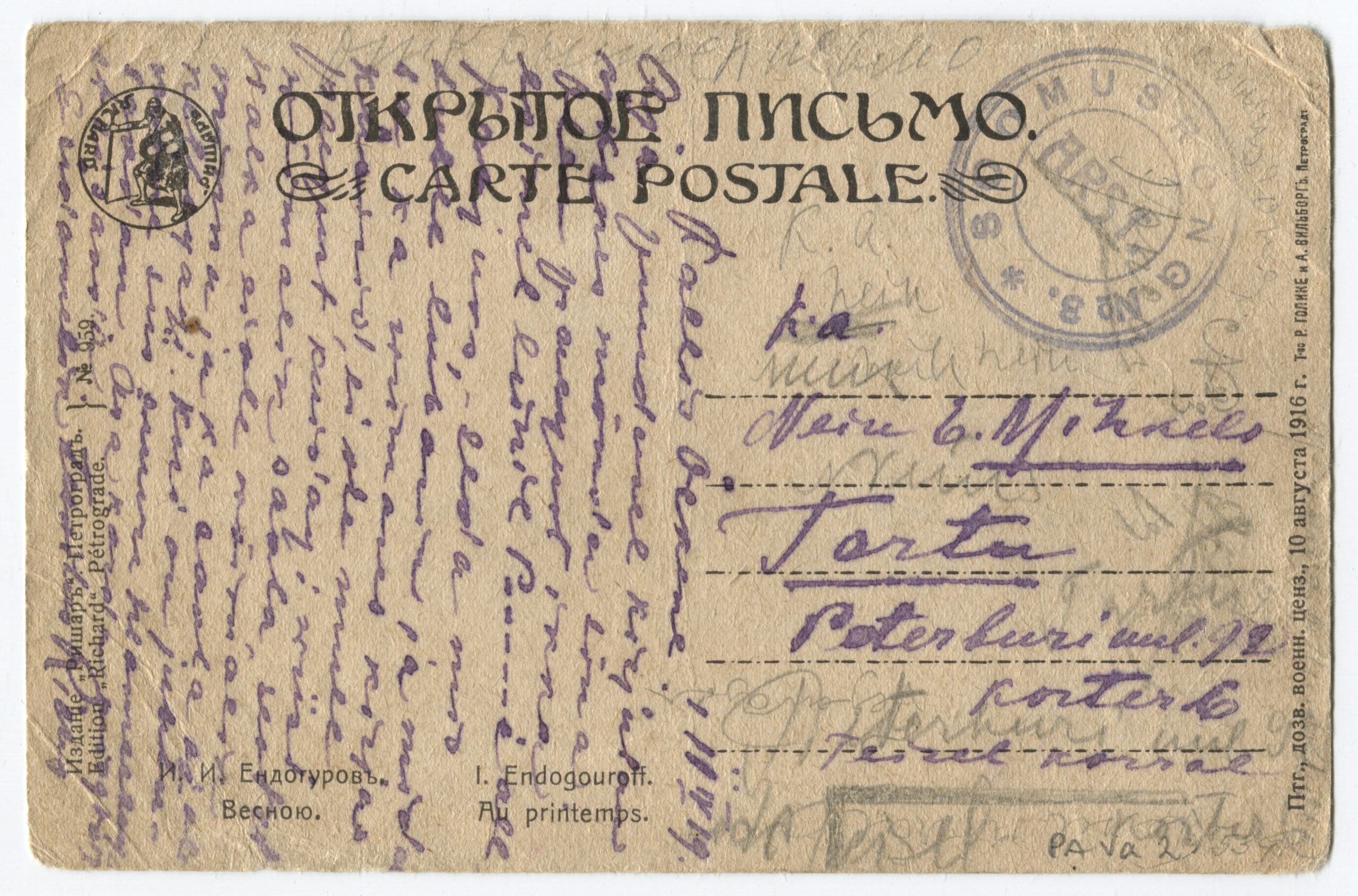
On the 3.12.1917, a general meeting of Estonian military doctors and medical attendants was held in Tallinn.
The doctor of the armored division was Herbert Hold.
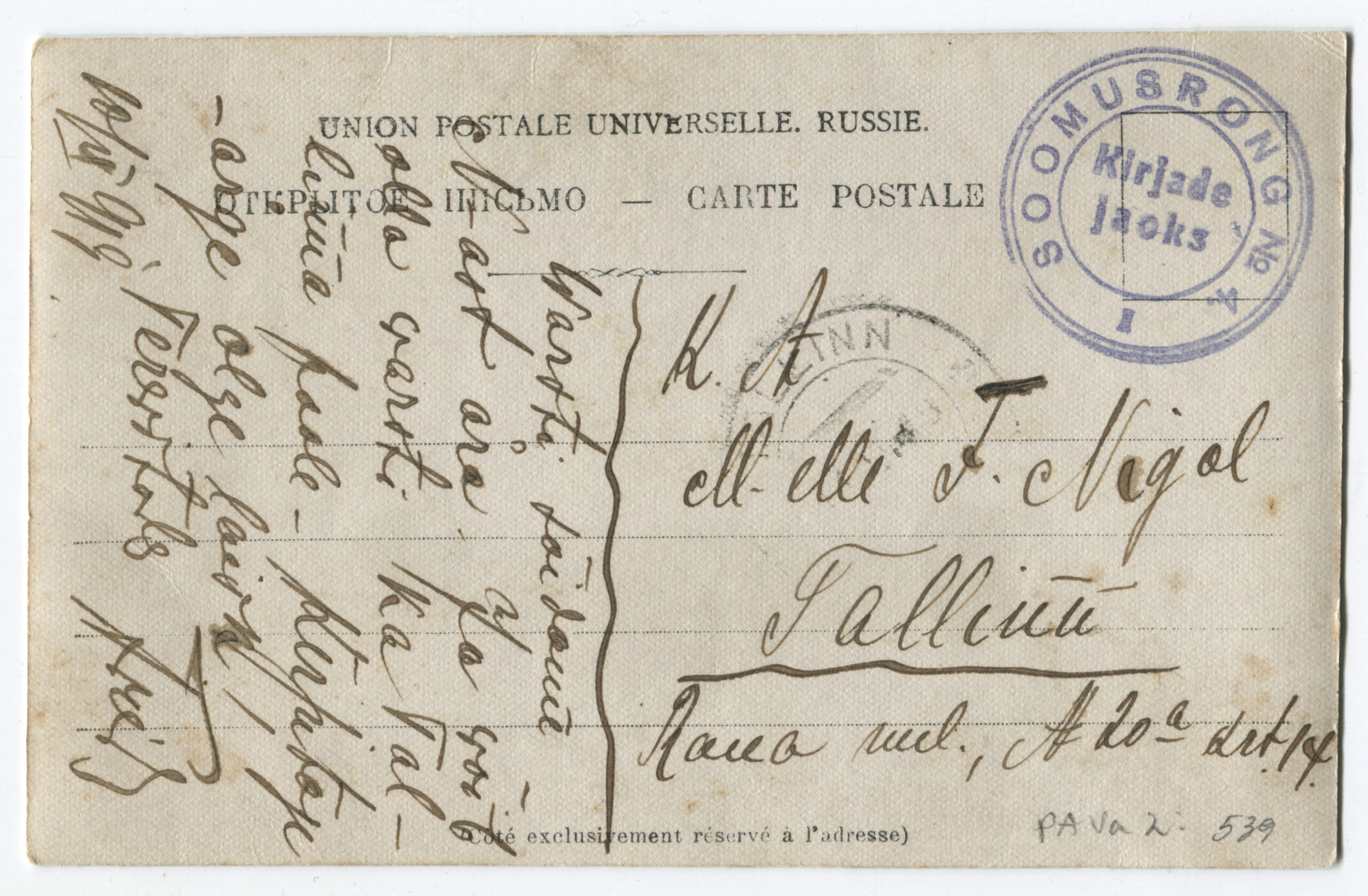
The wide-gauged armored train no 4 was founded in Tallinn on the 8.01.1919, and headed in the front on the 21.01.1919 under the command of lieutenant Hans Jaakson.
Narva, view to town hall
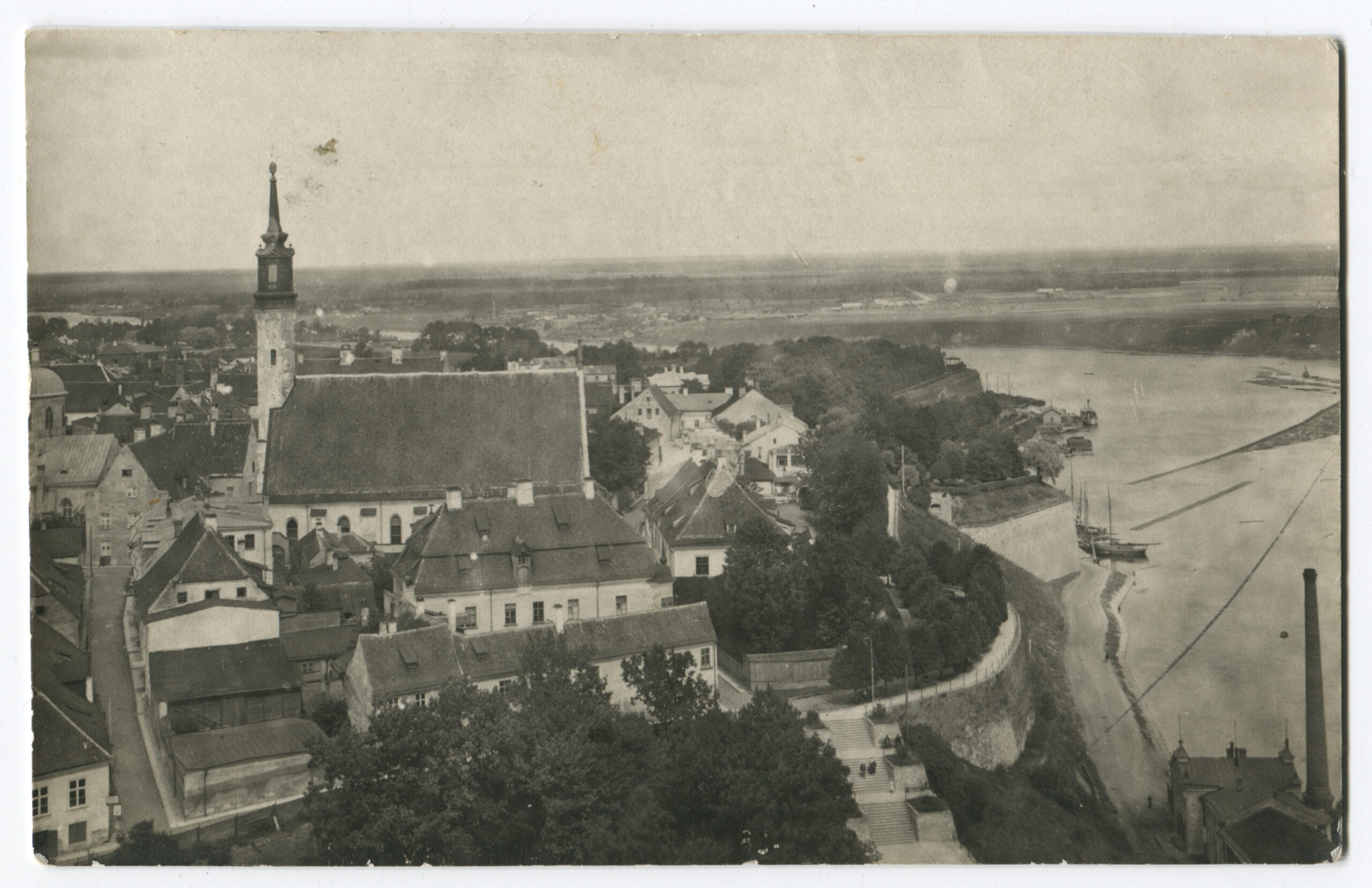
The wide-gauged armored train no 4 was founded in Tallinn on the 8.01.1919, and headed in the front on the 21.01.1919 under the command of lieutenant Hans Jaakson.
Narva, view to town hall
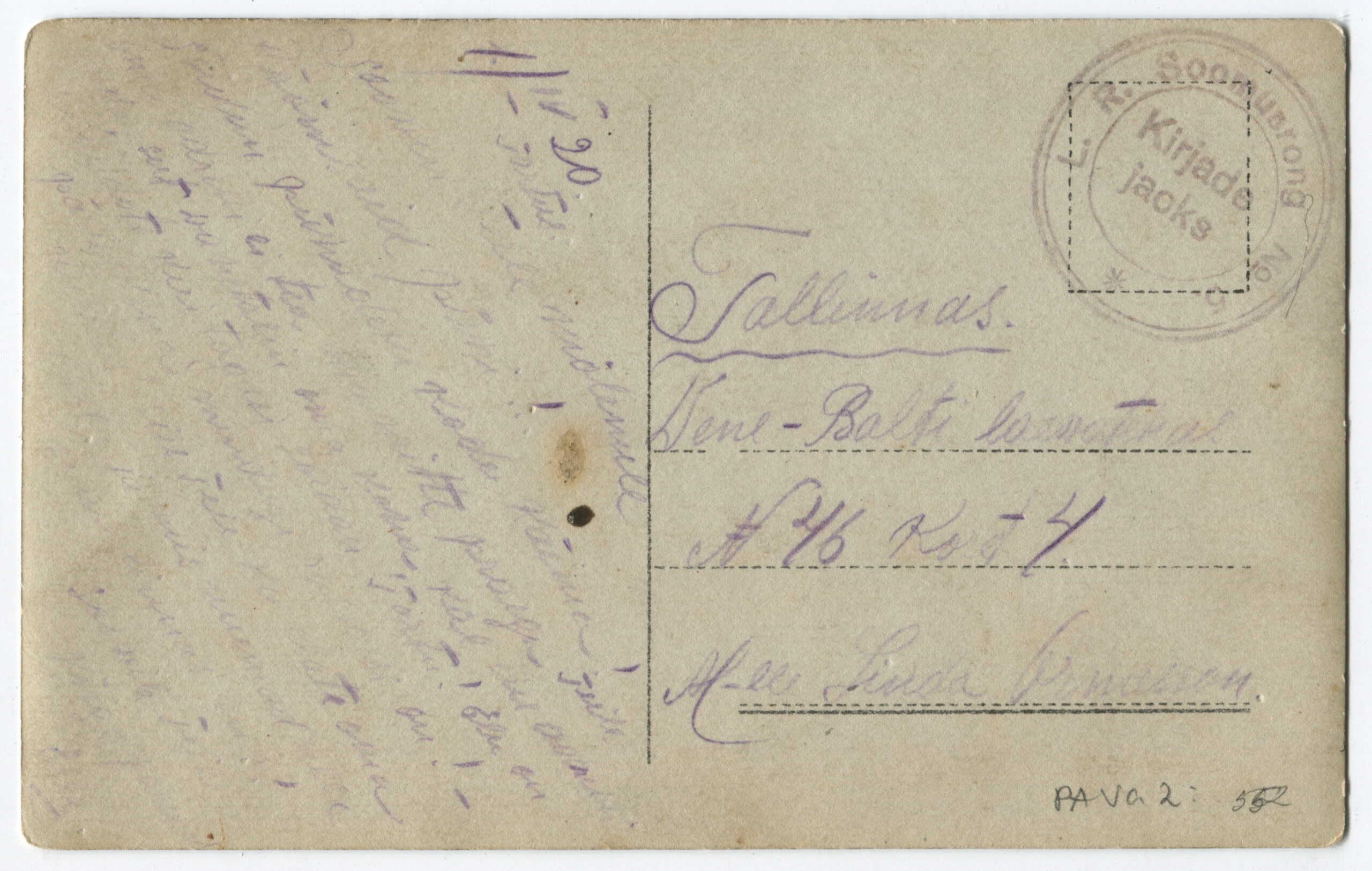
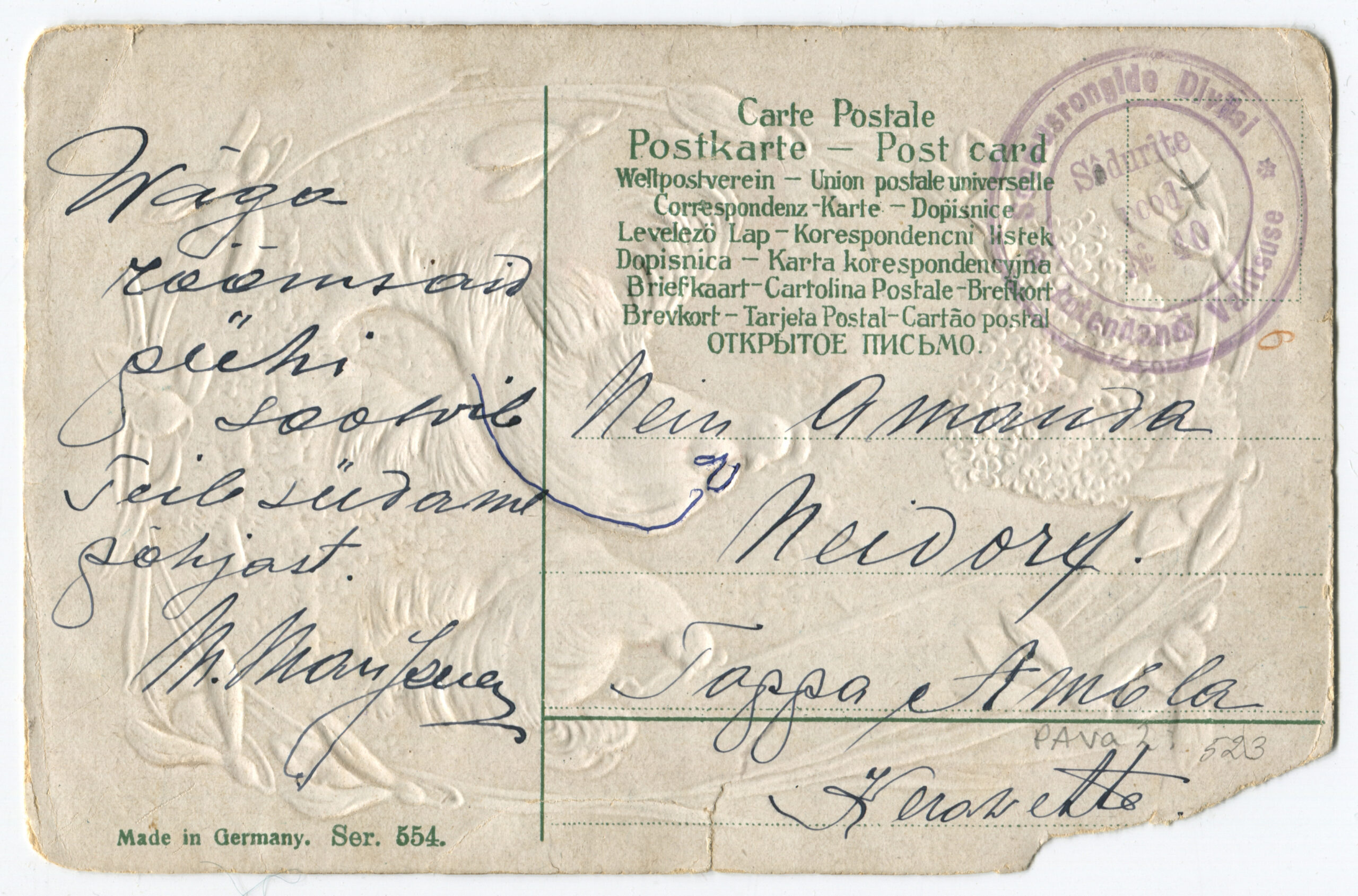
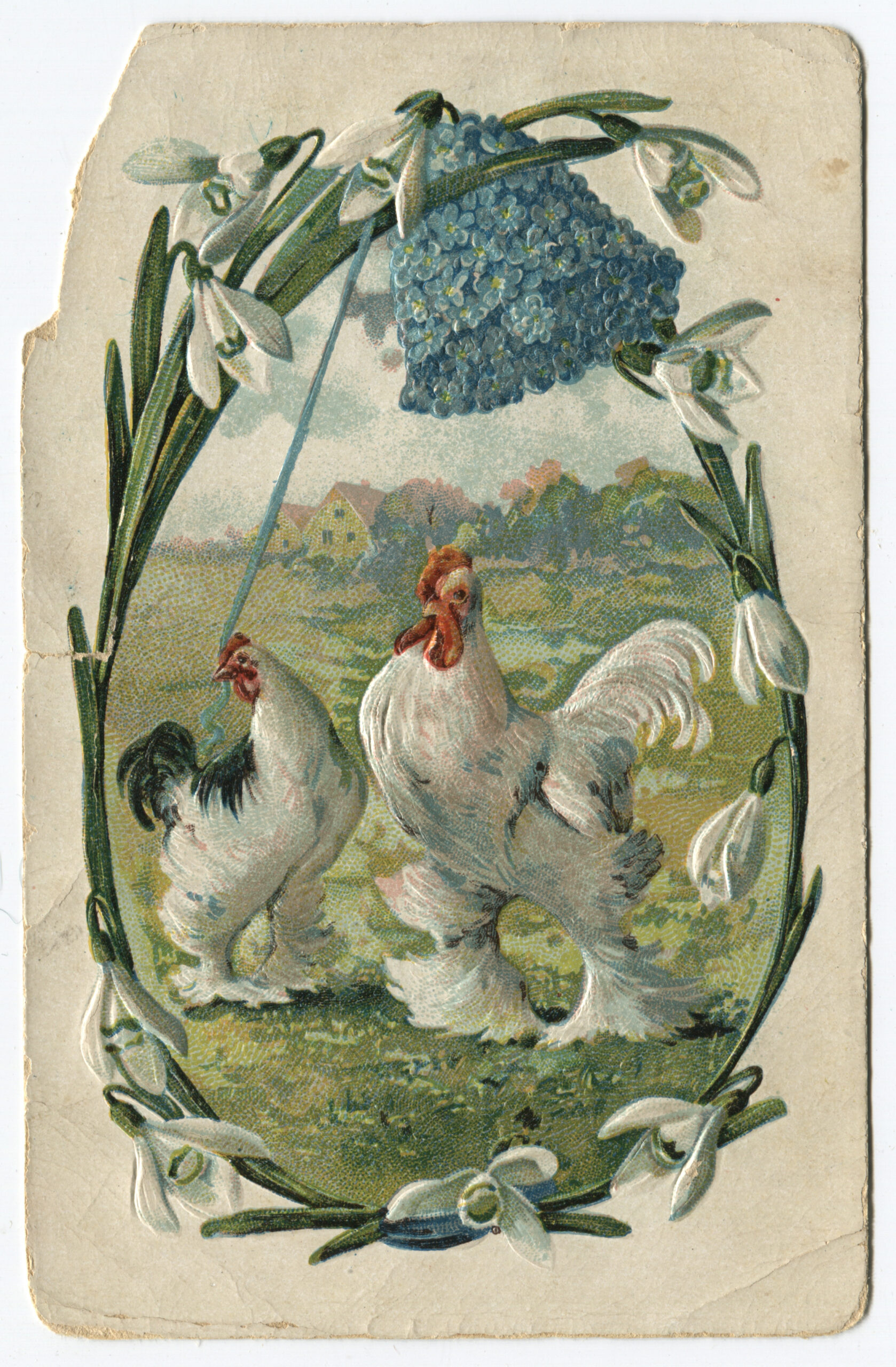
The wide-gauge armored train no 5 was founded on the 16.03.1919, and was sent to the front on the 18.03.1919 under the leadership of Ernst Grasmandorf.
Photo up: armored tran no 3, artillery platform “Tasuja”
down: armored train no 5, artillery platform “Võitleja”
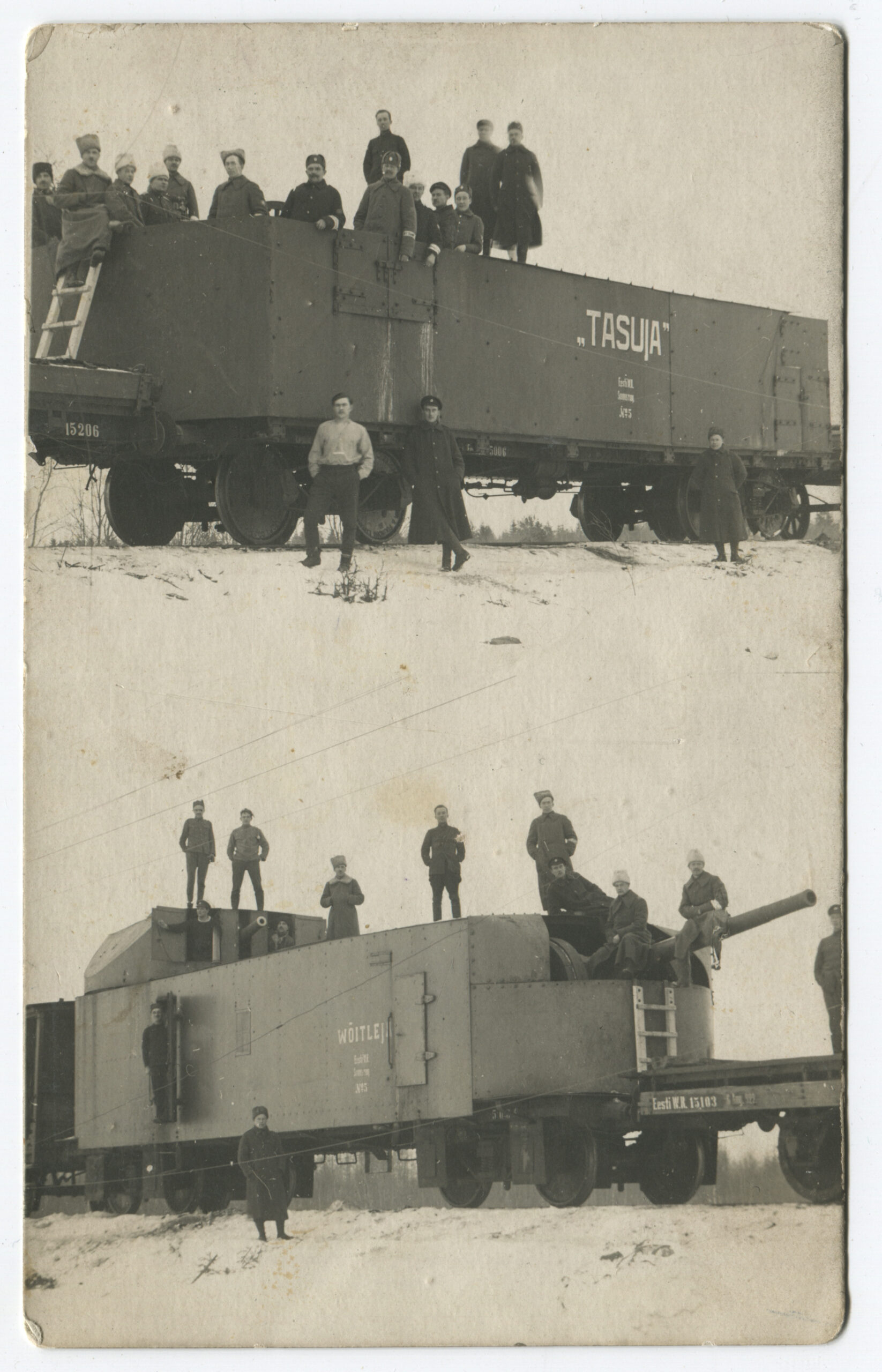
The wide-gauge armored train no 5 was founded on the 16.03.1919, and was sent to the front on the 18.03.1919 under the leadership of Ernst Grasmandorf.
Photo up: armored tran no 3, artillery platform “Tasuja”
down: armored train no 5, artillery platform “Võitleja”
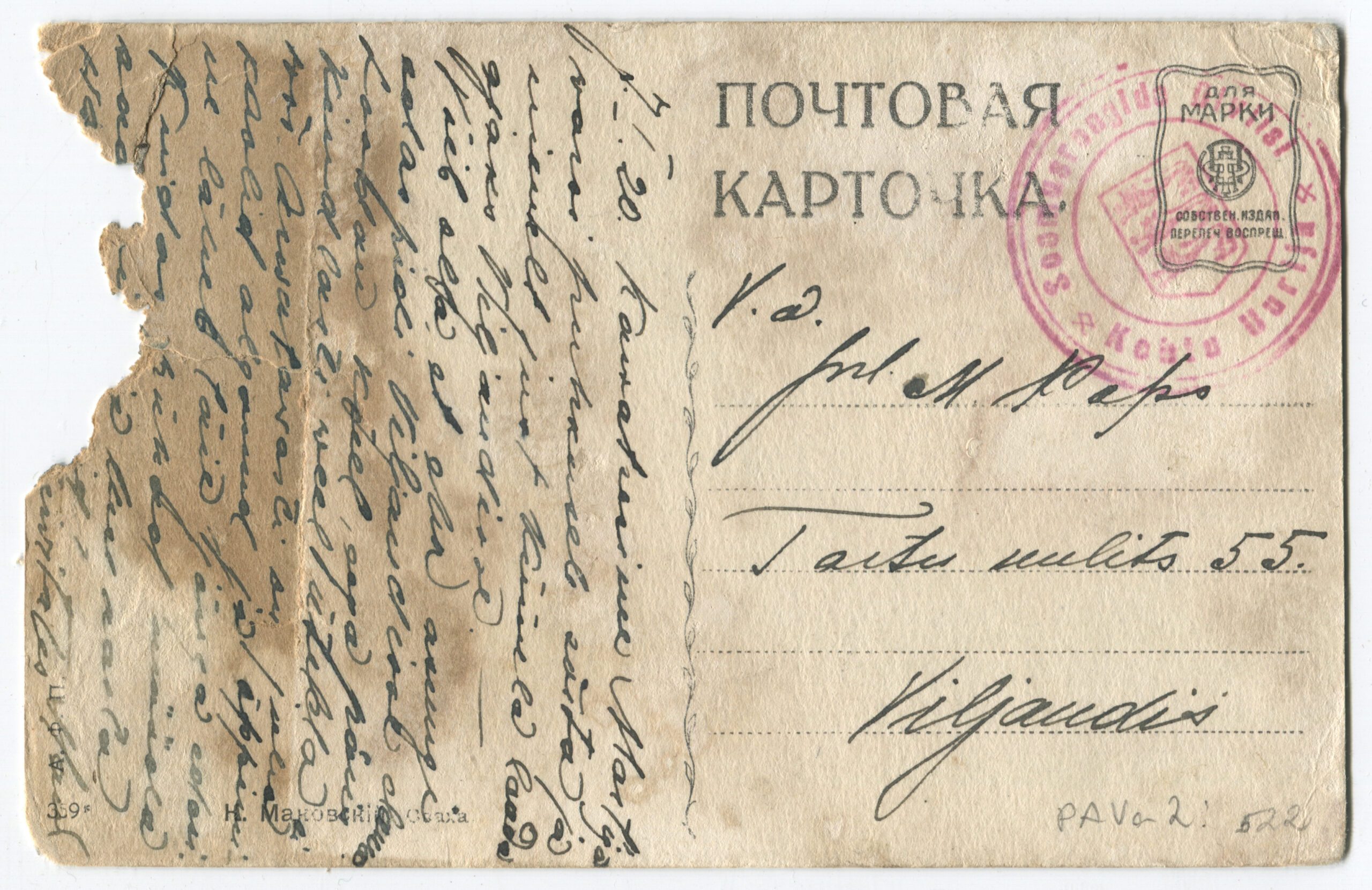
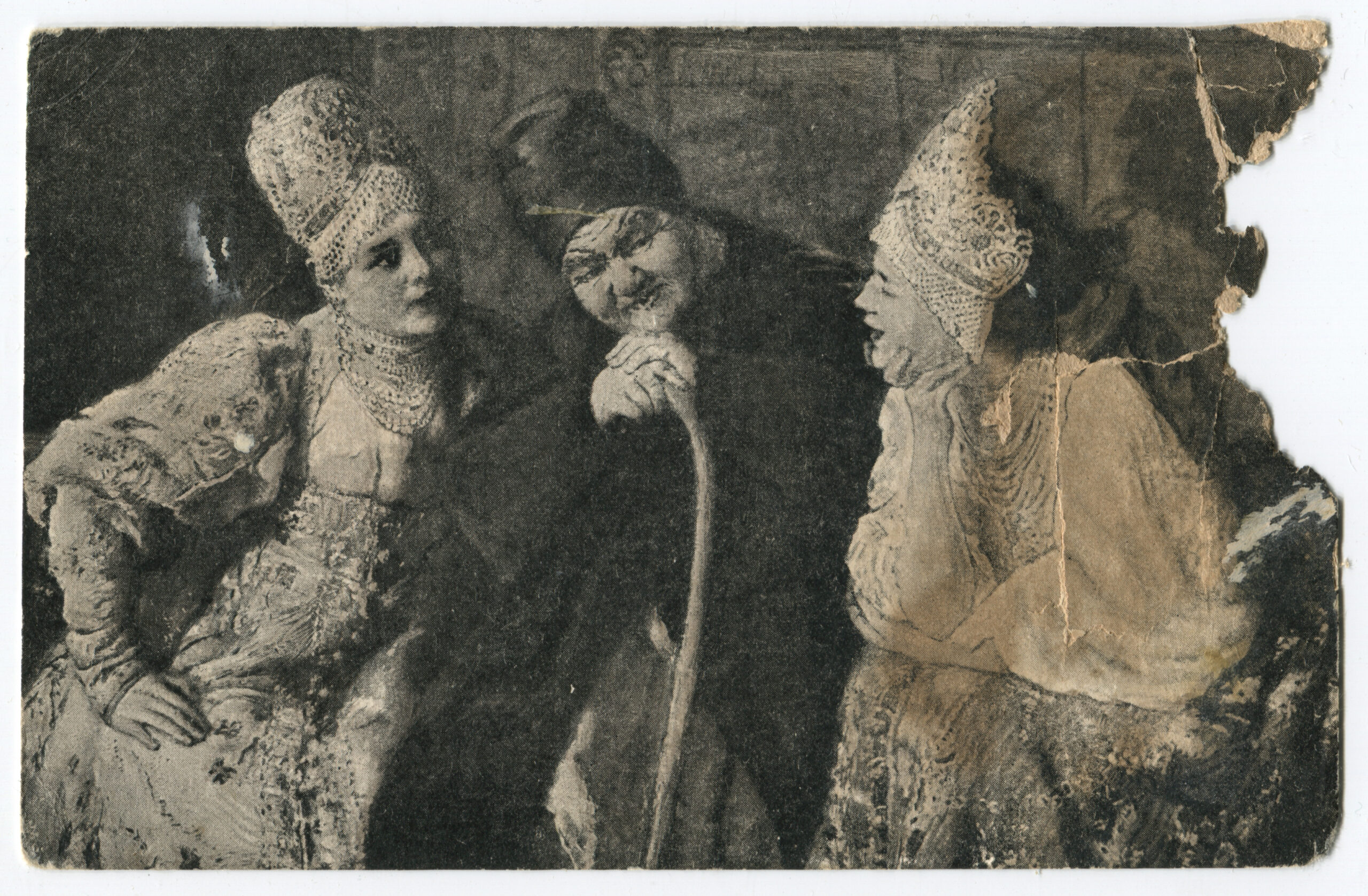
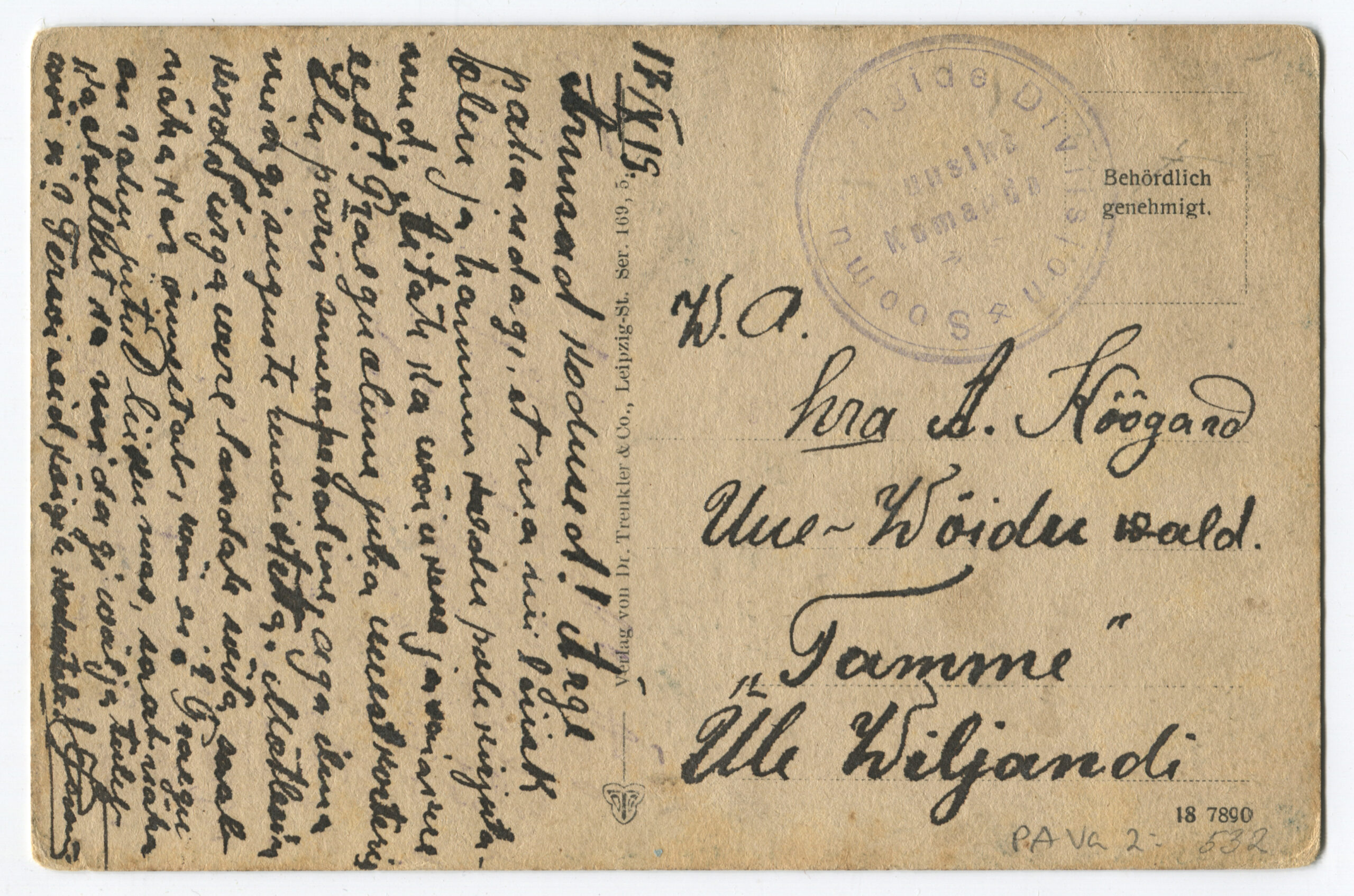
The first directive of the division headquarters was published on the 20.02.1919, announcing that all wide and narrow gauge armored trains, supply trains, repair trains, riding and music teams would be merged into the Armored Trains Division.
Large market, Dorpat (Tartu)
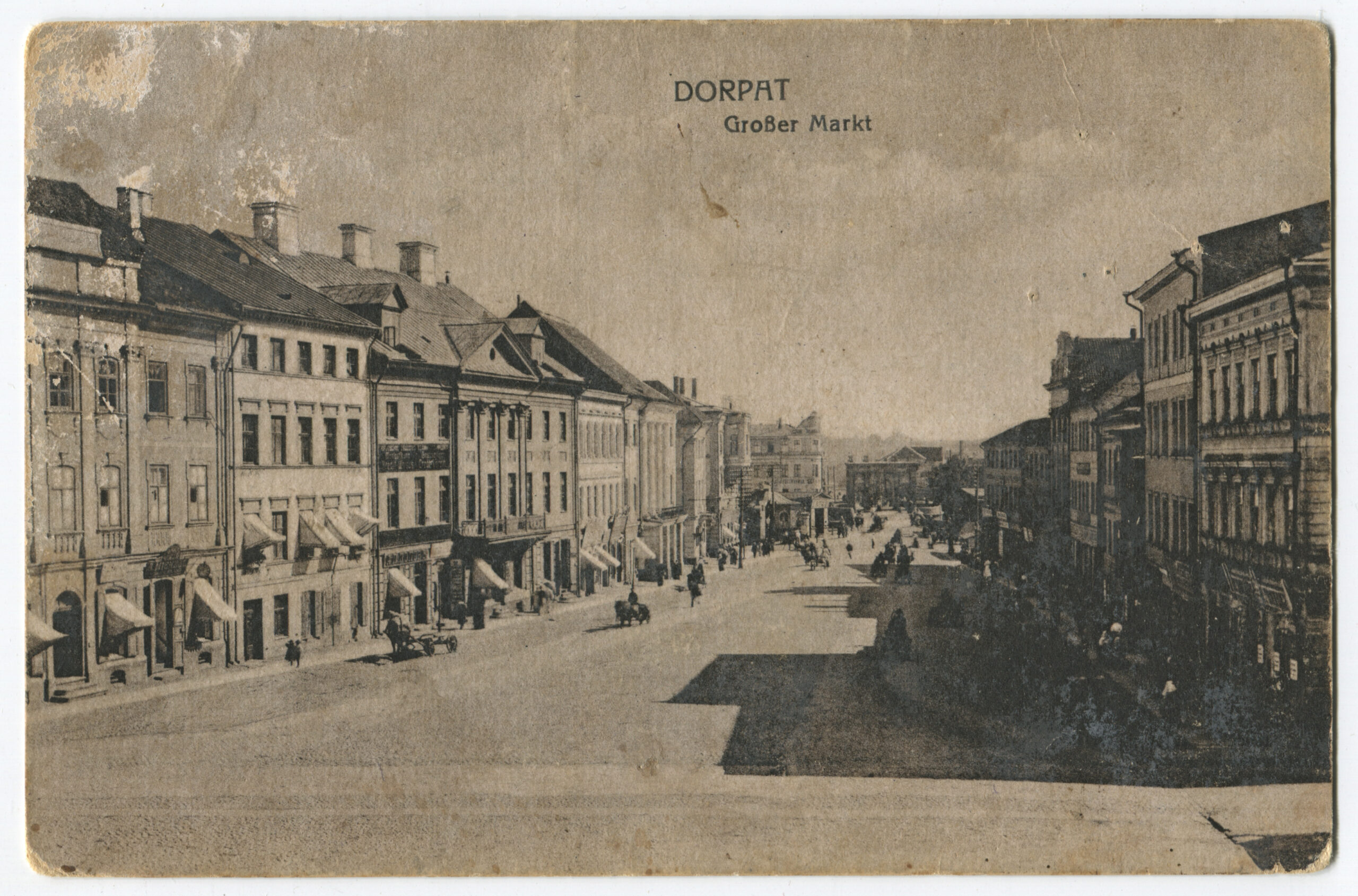
The first directive of the division headquarters was published on the 20.02.1919, announcing that all wide and narrow gauge armored trains, supply trains, repair trains, riding and music teams would be merged into the Armored Trains Division.
Large market, Dorpat (Tartu)
Exhibition committee
Compiler: Eve Aab
Consultant: Ants Linnard, Chairman of the Postal Museum Friends Association
Photos: Arp Karm
Editor: Tuuli Kaalep
Toimetaja: Tuuli Kaalep
References and sources
- Andreller, Jüri, Eduard Laaman and Johannes Poopuu. Armored Trains Division in the War of Independence. Tallinn Grenader, 2009.
- Estonian War of Independence XI.1918 – II.1920. Health care part. Tallinn, 1921.
- Estonian War of Independence 1918–1920. Parts I to II. Popular scientific publication of the Commitee on the History of the War of Independence. Tallinn Committee on the History of the War of Independence, 1937.
- Grosschmidt, Eduard. Under the skull mark. Tartu K / Ü Loodus, 1935.
- Guide to collecting materials from the history of the War of Independence. Chronology of events in the struggle period of Estonian national independence 1917–1920. Tallinn Committee on the History of the War of Independence, 1936.
- Kurvits, Oskar (ed.). Album of Estonian National Armed Forces II. Tallinn Society „1. Estonian Brigade” edition, 1937
- Kurvits, Oskar. Creation of Estonian national army units 1917–1918. Society „1. Estonian Brigade ”publishing house, 1930.
- Reinvaldt, Edvin and Tõnis Kint (assembly). Wide gauge armored train no. 2 In the War of Independence. Stockholm Foreign Estonia & EEA, 1972.
- Traksmaa, August.A brief history of the War of Independence.Tallinn: Publication-Private Limited Company “Cultural Community”, 1939.